#consensys
20 articles found
Latest
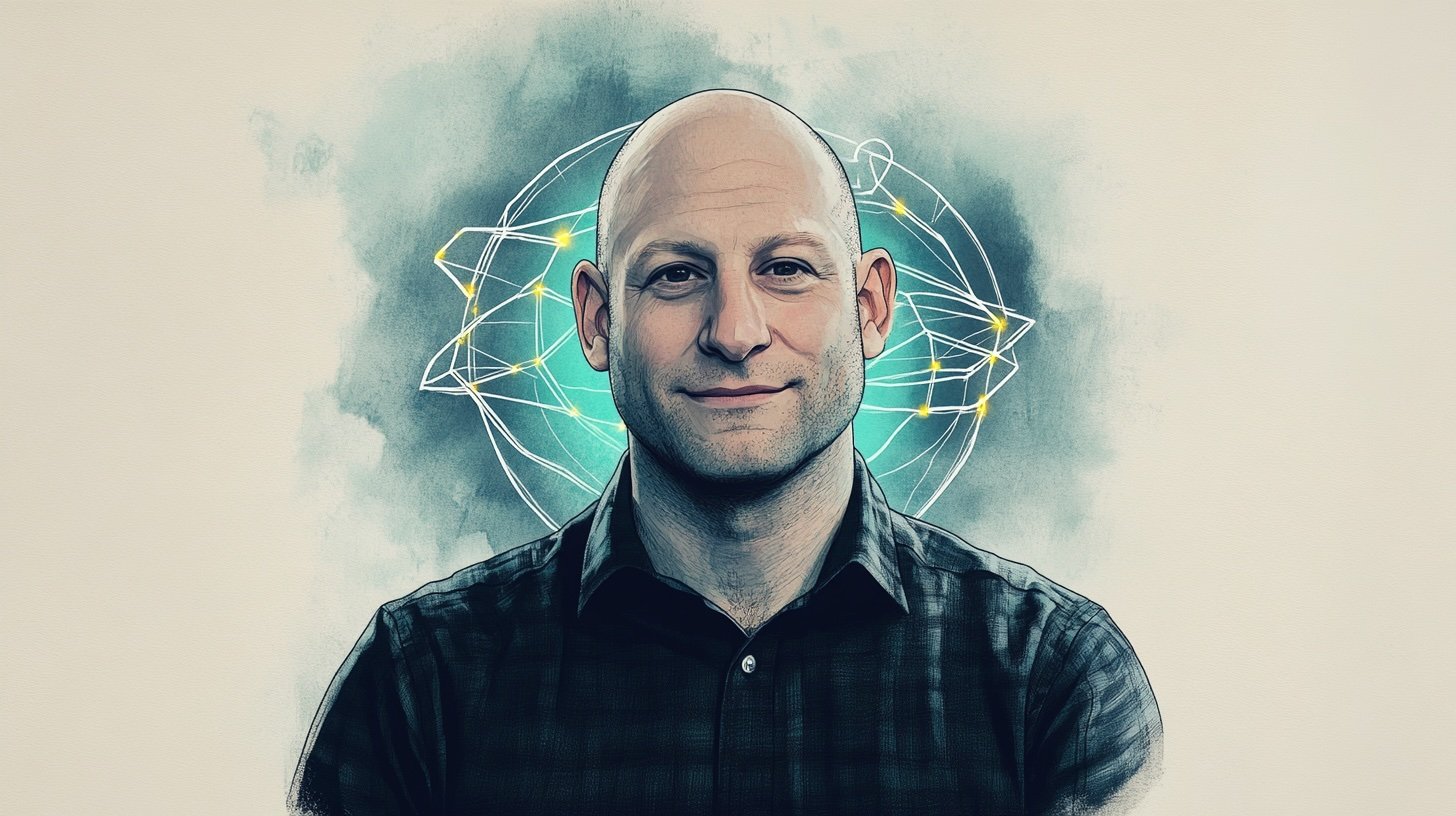
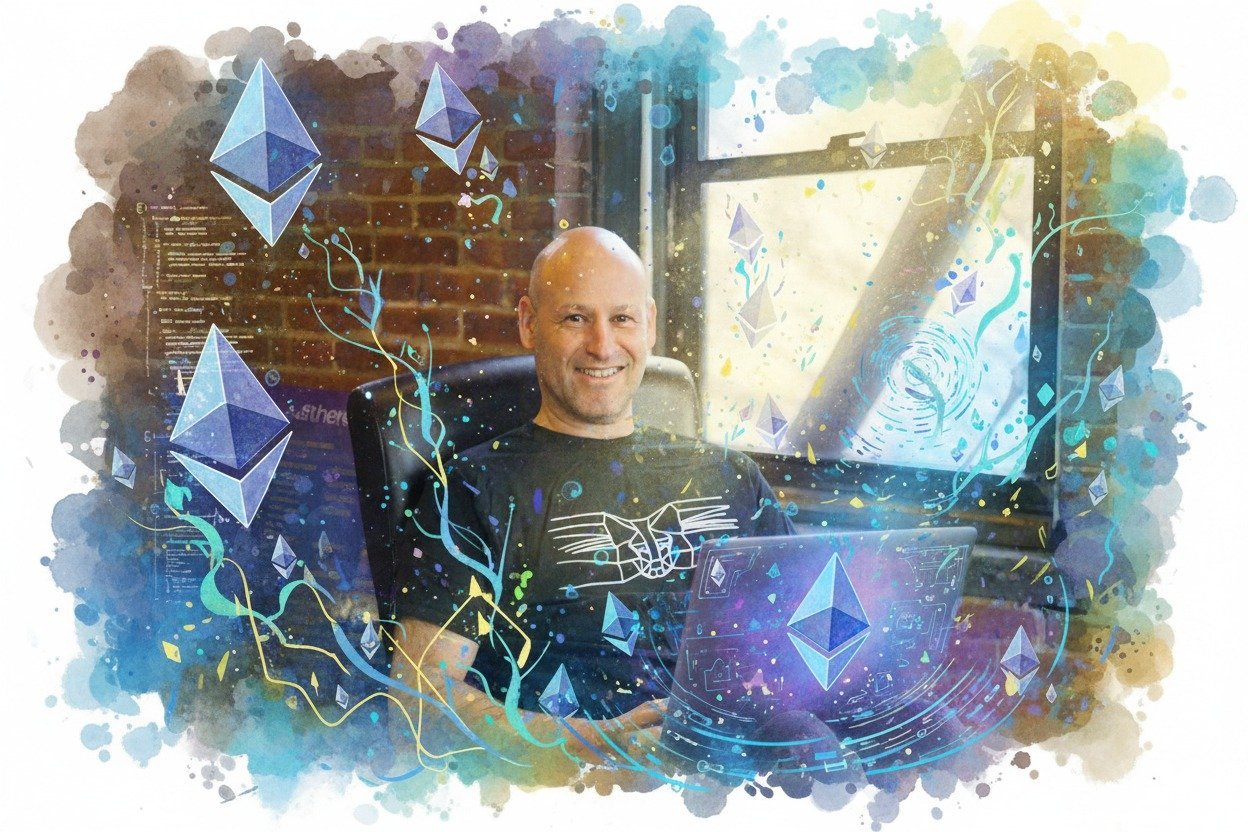
 A federal judge in Texas dismissed ConsenSys' lawsuit against the U.S. Securities and Exchange Commission (SEC) and its chairman, Gary Gensler. The company sought to legally establish that Ethereum is not a security and to prevent the SEC from interfering with the operation of the MetaMask crypto wallet.
 Newly revealed documents from a Consensys lawsuit indicate that the SEC's committee approved an investigation named "Ethereum 2.0" in April 2023. According to Fox Business, these documents provide insights into the SEC's evolving views on Ethereum's classification as a security.
 Joseph Lubin: Ethereum's Co-Founder & Key Strategist
 On the first day of 2014, fifty-year-old Joseph Lubin, a private recording studio owner, met 19-year-old crypto enthusiast Vitalik Buterin in Jamaica. Buterin had recently left university. This encounter led Lubin to become a co-founder of Ethereum, establish Consensys, and amass a fortune in dollars.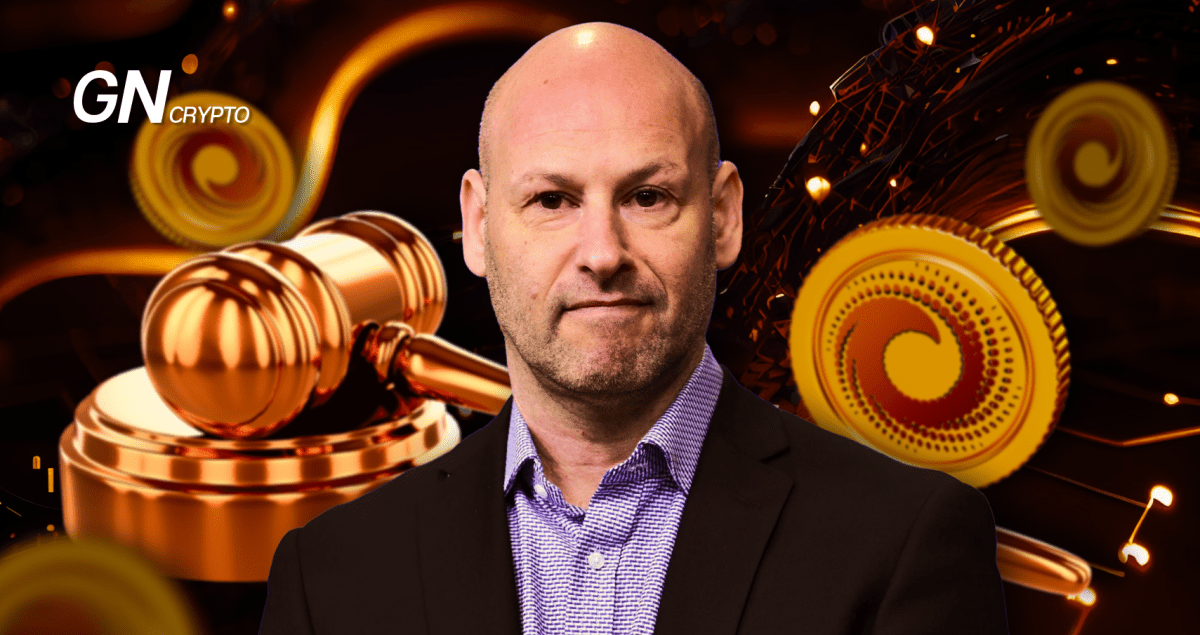
 The hacker shared a link for a supposed free NFT giveaway from Consensys, tricking users into connecting their wallets and subsequently stealing all their NFTs. According to ZachXBT, the incident led to losses of over $691,000. Speculations suggest it might be related to a SIM card swap. Shortly after the breach, Buterin's father wrote:
“Disregard this post, apparently Vitalik has been hacked. He is working on restoring access.”
The hacker shared a link for a supposed free NFT giveaway from Consensys, tricking users into connecting their wallets and subsequently stealing all their NFTs. According to ZachXBT, the incident led to losses of over $691,000. Speculations suggest it might be related to a SIM card swap. Shortly after the breach, Buterin's father wrote:
“Disregard this post, apparently Vitalik has been hacked. He is working on restoring access.” 
Token tanks 20% after Lubin’s ‘holding rewards’ tease
 Joseph Lubin said on X that long‑term LINEA holders could become eligible for future distributions – from Consensys and aligned ecosystem projects – and added that MetaMask and Linea are “preparing something.” The token trades ~20% lower post‑TGE.
 Consensys has reported that the U.S. Securities and Exchange Commission (SEC) has concluded its investigation into Ethereum 2.0, deciding not to classify it as a security. This announcement follows the approval of Ethereum ETFs and comes just before the expected start of trading in July.
Consensys and MetaMask Interview
 GNcrypto got to speak with one of the most well-known companies in the blockchain-verse Consensys and its representative Francesco Andreoli, DevRel for Consensys. Our focus was the Web3 world and MetaMask. Without any further ado, let’s deep-dive into the world of Web3 permissionless innovation.
 92% of People Have Heard of Cryptocurrency
 Consensys, the minds behind the famed Metamask crypto wallet, recently unveiled their report “The State of Web3 perception around the world". This report provides insights into how well cryptocurrency is understood worldwide, the depth of Web3 comprehension, and the public's stance on pivotal aspects like online data privacy and ownership.
  In a lawsuit filed in San Francisco, crypto influencer Joel Dietz claims that Consensys stole his idea for a browser-based crypto wallet similar to MetaMask.
Dietz alleges that he created the intellectual property that eventually became MetaMask under a project called Vapor in late 2014.
He hired a person named Davis in 2015 to help with coding Vapor, but Dietz accuses Davis of betraying him and collaborating with Consensys instead.
Consensys denies Dietz’s claims, stating that he falsely marketed himself as the founder of MetaMask to deceive investors.
In a lawsuit filed in San Francisco, crypto influencer Joel Dietz claims that Consensys stole his idea for a browser-based crypto wallet similar to MetaMask.
Dietz alleges that he created the intellectual property that eventually became MetaMask under a project called Vapor in late 2014.
He hired a person named Davis in 2015 to help with coding Vapor, but Dietz accuses Davis of betraying him and collaborating with Consensys instead.
Consensys denies Dietz’s claims, stating that he falsely marketed himself as the founder of MetaMask to deceive investors.  9 years ago, Vitalik Buterin presented his Ethereum smart contract platform to the world. He officially announced his invention on BitcoinTalk Forum with a post titled "Welcome to the New Beginning!"
It’s not an anniversary date, so let’s do without flowers and applause.
But one thing that we would like to mention is that everyone who made their first steps at that time became most powerful people in crypto.
With its roots in the Ethereum team, crypto mafia has spread across the world:
- Charles Hoskinson launched Cardano in 2017.
- Anthony Di Iorio launched Decentral Inc. and the Jaxx wallet
- Joseph Lubin launched ConsenSys
- Gavin Wood created Polkadot and developed the Solidity smart contract language.
Our congratulations on these achievements, Vitalik!
9 years ago, Vitalik Buterin presented his Ethereum smart contract platform to the world. He officially announced his invention on BitcoinTalk Forum with a post titled "Welcome to the New Beginning!"
It’s not an anniversary date, so let’s do without flowers and applause.
But one thing that we would like to mention is that everyone who made their first steps at that time became most powerful people in crypto.
With its roots in the Ethereum team, crypto mafia has spread across the world:
- Charles Hoskinson launched Cardano in 2017.
- Anthony Di Iorio launched Decentral Inc. and the Jaxx wallet
- Joseph Lubin launched ConsenSys
- Gavin Wood created Polkadot and developed the Solidity smart contract language.
Our congratulations on these achievements, Vitalik! 1 - 20 of 20 results