#ai
728 articles found
Latest
AI-Powered Botnets Dupe Crypto Users on X
 ChatGPT, known for its diverse technological solutions spanning web search, content creation, office efficiency, and education, has taken a dark turn. This seemingly harmless AI chatbot is now being manipulated by fraudsters on social networks to promote crypto scams.
 AI in Journalism: Content Farms Eclipsing Traditional Media
 Artificial intelligence swiftly scans reputable sources and produces reworded versions of the content in nearly real-time. According to researchers at NewsGuard, these rewritten articles are being disseminated across hundreds, if not thousands, of online platforms.

 Imperial College London has teamed up with AI startup FluidAI to address challenges in the crypto market using artificial intaligance (AI).
The collaboration will focus on enhancing the tokenized market for various stakeholders, including institutions and retail investors.
FluidAI emphasizes the need to tackle liquidity aggregation issues in the crypto domain. AI can help predict and offer optimal bid and ask prices in the market.
Imperial College London has teamed up with AI startup FluidAI to address challenges in the crypto market using artificial intaligance (AI).
The collaboration will focus on enhancing the tokenized market for various stakeholders, including institutions and retail investors.
FluidAI emphasizes the need to tackle liquidity aggregation issues in the crypto domain. AI can help predict and offer optimal bid and ask prices in the market. 
 Rishi Sunak is directing public funds toward acquiring high-performance artificial intelligence chips to ensure the country remains competitive in the global race for computing capabilities. The government has initiated talks with major IT firms such as Nvidia, AMD, and Intel to secure resources for a national “AI Research Resource.” This effort aligns with prime minister’s vision to establish Britain as a leading force in the field of artificial intelligence. Though the project has been allocated £100 million, there are concerns that this funding might fall short of the government’s AI aspirations. Government officials are advocating for additional funding in the coming months to match the scale of this initiative. Graphics Processing Units (GPUs) are vital components in constructing AI systems like ChatGPT, with the latest version trained on as many as 25,000 Nvidia chips.
  Social media giants, like Facebook, rely on a vast global moderation teams to sift out damaging content, from child pornography materials to severe violence.
The implementation of GPT-4 might be the key to revolutionizing this workflow.
"The process [of content moderation] is inherently slow and can lead to mental stress on human moderators. With this system, the process of developing and customizing content policies is trimmed down from months to hours," assert OpenAI representatives.
Access to the OpenAI API now enables individuals to forge their distinct AI-driven moderation frameworks.
Social media giants, like Facebook, rely on a vast global moderation teams to sift out damaging content, from child pornography materials to severe violence.
The implementation of GPT-4 might be the key to revolutionizing this workflow.
"The process [of content moderation] is inherently slow and can lead to mental stress on human moderators. With this system, the process of developing and customizing content policies is trimmed down from months to hours," assert OpenAI representatives.
Access to the OpenAI API now enables individuals to forge their distinct AI-driven moderation frameworks.  House Democrats have initiated a working group dedicated to artificial intelligence (AI) with the aim to craft legislation surrounding this tech.
The group, chaired by Representative Derek Kilmer, will explore leveraging AI for growth while ensuring job security for those impacted by AI advancements.
A primary concern is the rise of AI-generated misinformation, especially deepfakes.
House Democrats have initiated a working group dedicated to artificial intelligence (AI) with the aim to craft legislation surrounding this tech.
The group, chaired by Representative Derek Kilmer, will explore leveraging AI for growth while ensuring job security for those impacted by AI advancements.
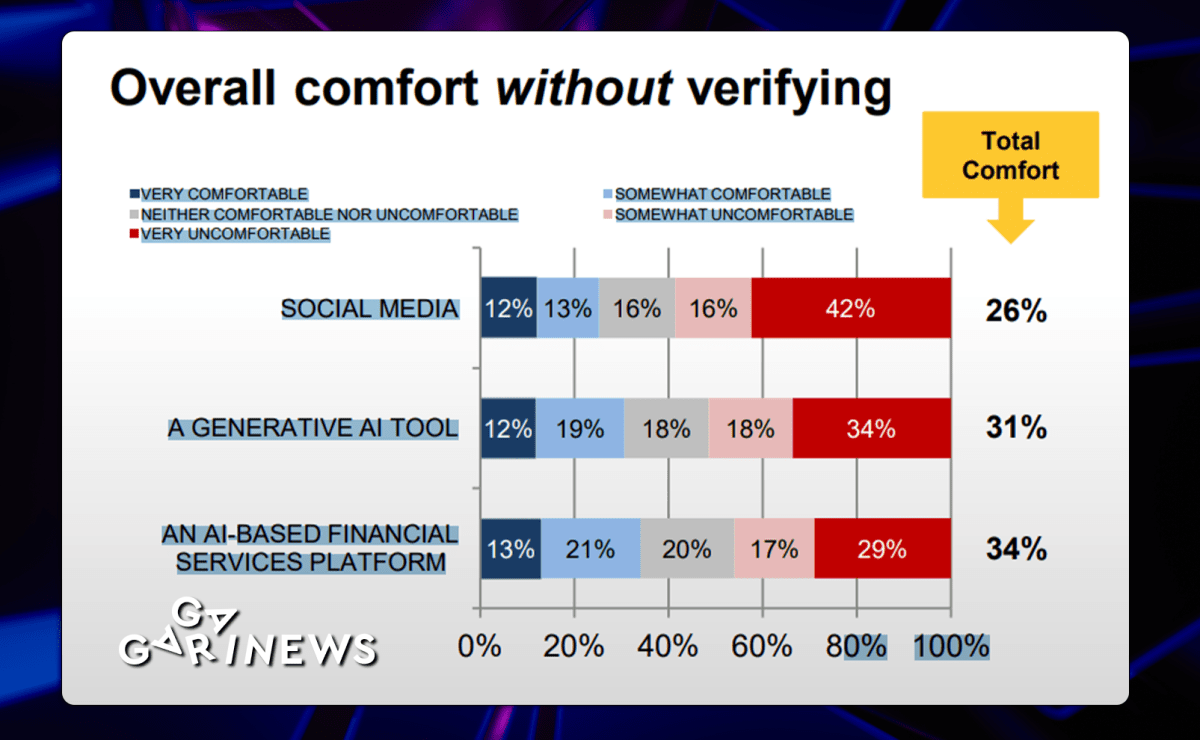
A primary concern is the rise of AI-generated misinformation, especially deepfakes.  According to a study by Salesforce, approximately 74% of customers are concerned about the unethical use of new technologies. That said, only 57% trust companies' statements on this matter.
Openness to AI is also problematic and has steadily declined over eight months, from 65% to 51%. Customers' primary concerns revolve around security, control, and ethics:
A clear understanding of where artificial intelligence is being applied (as indicated by 89% of respondents).
Verification of AI-generated outcomes (80%).
Bias in the AI-produced results (63%).
Furthermore, 68% of the respondents believe that artificial intelligence amplifies the significance of trust in companies and heightens the responsibility brands owe to their customers.
According to a study by Salesforce, approximately 74% of customers are concerned about the unethical use of new technologies. That said, only 57% trust companies' statements on this matter.
Openness to AI is also problematic and has steadily declined over eight months, from 65% to 51%. Customers' primary concerns revolve around security, control, and ethics:
A clear understanding of where artificial intelligence is being applied (as indicated by 89% of respondents).
Verification of AI-generated outcomes (80%).
Bias in the AI-produced results (63%).
Furthermore, 68% of the respondents believe that artificial intelligence amplifies the significance of trust in companies and heightens the responsibility brands owe to their customers. 



 Despite being over 100 days into the writers strike, the worries about studios using generative artificial intelligence to entirely write scripts have not come to fruition.
The decision came in response to a challenge by Stephen Thaler, CEO of Imagination Engines, who sought to register AI-generated works.
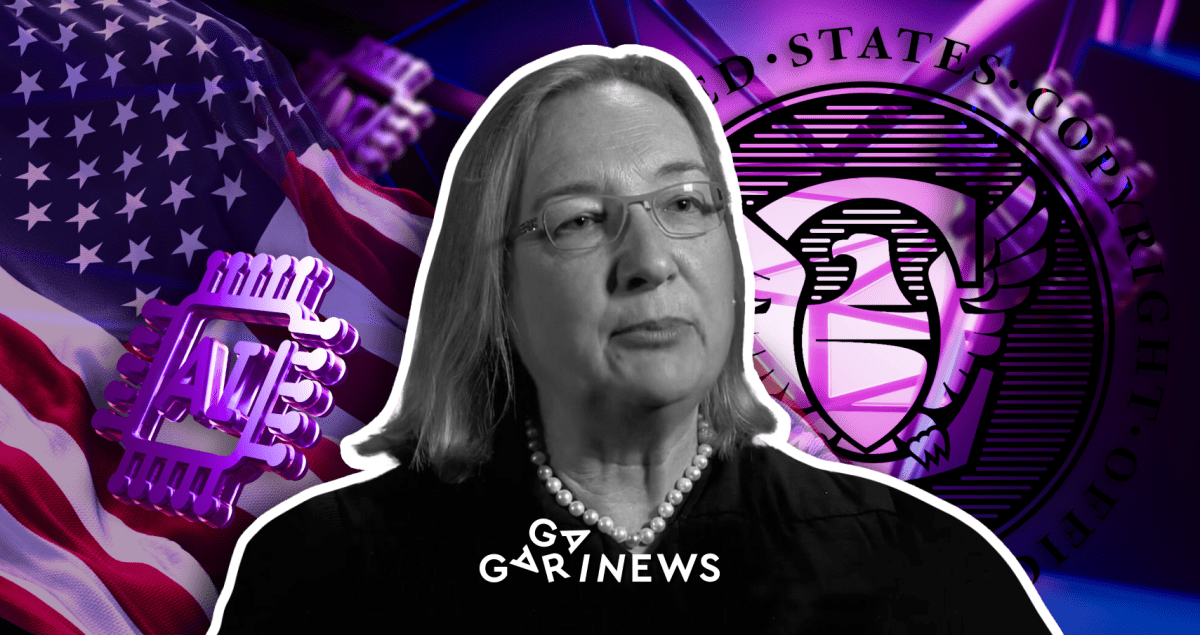
The judge upheld the U.S. Copyright Office’s stance that copyright protection only extends to works created by humans, not AI.
U.S. District Judge Beryl Howell has emphasized that copyright law has “never stretched so far” to “protect works generated by new forms of technology operating absent any guiding human hand.”
Despite being over 100 days into the writers strike, the worries about studios using generative artificial intelligence to entirely write scripts have not come to fruition.
The decision came in response to a challenge by Stephen Thaler, CEO of Imagination Engines, who sought to register AI-generated works.
The judge upheld the U.S. Copyright Office’s stance that copyright protection only extends to works created by humans, not AI.
U.S. District Judge Beryl Howell has emphasized that copyright law has “never stretched so far” to “protect works generated by new forms of technology operating absent any guiding human hand.”  JPMorgan reports that Bitcoin miners are diversifying their operations in anticipation of the upcoming halving event, which will slash their rewards. Miners are now venturing into the booming artificial intelligence (AI) market, offering high-performance computing services. This shift is partly funded by selling newly minted or existing bitcoins. Companies like Applied Digital and Iris Energy are already making strides in AI cloud services. Additionally, post Ethereum's shift from proof-of-work, former Ethereum miners are leveraging GPUs for AI, finding it potentially more profitable than traditional mining.
 China's provisional AI guidelines, termed "Generative AI Measures," take effect today. Among the 24 measures, AI service platforms must register and undergo security reviews before public launch.
AI-generated content will need labels, and data must come from legitimate sources respecting intellectual property and user privacy. Service providers are accountable for content on their platforms.
China's provisional AI guidelines, termed "Generative AI Measures," take effect today. Among the 24 measures, AI service platforms must register and undergo security reviews before public launch.
AI-generated content will need labels, and data must come from legitimate sources respecting intellectual property and user privacy. Service providers are accountable for content on their platforms.