
MEXC Alternatives 2026: Best Crypto Exchanges For Beginner Spot Trading
Affiliate Disclosure:
GNCrypto editors review services independently. If you click on affiliate links, we may earn commissions, which help support our testing. The goal of our reviews is to provide our readers with the most objective and unbiased overviews of available platforms for spot crypto trading.
Binance - Best MEXC Alternative

We tested the main MEXC alternatives with small spot trades. In our view, Binance is the best starting point for most beginners: it’s liquid, predictable, and scalable from basic buys to pro tools. OKX is for automation fans (region rules vary), Bybit suits frequent BTC/ETH spot traders where available, KuCoin favors altcoin hunting, and Bitget keeps things simple.
GNcrypto's Verdict

Across usability, access, market depth on majors, and transparency tooling, we see Binance as the most balanced replacement for MEXC for a beginner who wants room to grow. It’s easy to start with simple spot orders, then graduate to advanced order types, bots, and deeper market tools without switching platforms. If you prioritize built‑in automation, OKX is compelling but strongly region‑dependent. Bybit is a practical choice for BTC/ETH‑focused trading where it’s available. KuCoin is best for the breadth of altcoins, and Bitget is a clean, approachable spot terminal.
- Orders fill instantly
- Low fees
- Full pro toolset
- Watch for limits by jurisdiction
- Somewhat lacking in terms of public audits
On this page


GNcrypto team reviews the best MEXC alternatives for 2025. Binance ranks as our top pick for beginners with strong BTC and ETH liquidity, clear 0.10%/0.10% spot fees, and a full pro toolkit. OKX suits automation with region based pricing, Bybit fits low cost BTC and ETH spot traders, KuCoin covers altcoins, and Bitget keeps the interface simple.
What Are MEXC Alternatives and Why Traders Look for Them?
When we say MEXC alternatives, we mean other centralized exchanges that can handle the same everyday spot‑trading basics: buy/sell, limit orders, and withdrawals – especially if MEXC is unavailable in your region (including the U.S., Canada, and other jurisdictions) or if you prefer platforms with stronger audit transparency.
In our view, beginners usually compare four practical things first: (1) total trade cost on a typical $100–$200 order (fees + spread), (2) what works where you live (fiat on/off ramps, limits, and feature availability), (3) the coins and pairs you actually need (majors plus your preferred quote currency), and (4) trust signals like Proof‑of‑Reserves pages, incident history, and how easy it is to reach support.
Our hands‑on routine is simple: register, enable 2FA, place a small spot buy, and try a $10–$20 withdrawal. We think this quick test reveals friction and “true” costs fast.
Top Crypto Exchanges Similar to MEXC
If you are looking for sites like MEXC, here’s a numbers‑first overview of the closest substitutes we tested (entry‑tier spot fees shown as maker/taker; regional grids can differ):
- Binance – 0.10% / 0.10% spot fees (entry tier), with common discounts via BNB payment and VIP tiers; broad market coverage.
- OKX – global schedule starts at 0.08% / 0.10%; in the EEA, Regular starts at 0.20% / 0.35% since 01.10.2025 (separate grid); strongly built‑in bots (grid/DCA).
- Bybit – 0.10% / 0.10% on many crypto‑to‑crypto spot pairs (zone/pair exceptions apply), plus periodic promos on select pairs.
- KuCoin – spot fees start at 0.10% / 0.10% on many pairs; wide altcoin coverage and niche pairs.
- Bitget – standard spot tier is typically 0.10% / 0.10%; clean Pro/Spot UI with trigger/stop and OCO order types.
Before you commit, confirm what’s available in your country (fiat rails, limits, and product access).
Binance

If you need an alternative to MEXC, Binance is, in our view, the closest like‑for‑like choice for beginners seeking low fees and room to grow into advanced tools. In our tests, retail‑size BTC/ETH orders filled very quickly, and the base maker/taker tier starts at 0.10% / 0.10% with further reductions via BNB payment or higher volume. The advanced terminal shows the order book and market depth, OCO/stop tools, and built-in copy trading and trading bots, so it is easy to grow from beginner to pro workflows.
Very strong liquidity on majors with fast retail fills (based on our checks); low baseline spot fees (0.10%/0.10%) with common paths to extra discounts via BNB payment and VIP tiers; a full pro toolkit (advanced orders, order book/depth, TradingView charting mode/integration, public REST/WebSocket APIs, copy trading and trading bots); and broad market coverage (hundreds of assets and 1,000+ pairs, with exact counts changing over time).
Fiat ramps and certain features vary by jurisdiction; Proof‑of‑Reserves is published on a recurring basis using cryptographic methods (Merkle/zk‑style approaches), but it is not the same thing as a full external financial‑statement audit; and there are legal/regulatory nuances in some regions.
Users who prioritize low effective trading costs, instant‑feeling execution on BTC/ETH, and a complete pro toolset – provided they confirm regional fiat access first.
Strengths:
- Top global spot liquidity on BTC, ETH and USDT pairs; in our tests, retail‑size orders filled very quickly.
- Very low standard maker/taker (0.1%/0.1%) and periodic 0% rebate promotions on select pairs (5/5 on costs).
- Broad market coverage: hundreds of assets and 1,000+ pairs (counts change), plus frequent listings/delistings.
- Full pro toolset: advanced orders, order book/depth, TradingView mode, public REST/WebSocket APIs, copy trading and trading bots.
- Transparent PoR page and recurring reserve snapshots; SAFU is described publicly and wallet addresses have been published.
Weaknesses:
- Fiat ramps and limits still vary strongly by jurisdiction – it’s not as uniform as on a single-country, single-license U.S. exchange.
- PoR is published on a recurring basis using cryptographic methods (Merkle/zk‑style approaches), but it is not a full external financial‑statement audit that every regulator will treat as equivalent.
KuCoin

If you are exploring alternatives to MEXC, we think KuCoin stands out for very broad altcoin coverage and pair variety aimed at retail and active spot traders. In our experience, the interface feels familiar to CEX users, and the market browser makes it easy to discover mid‑caps and niche tokens without leaving the spot desk. Tooling extends into earn products and margin for those who want more than a basic buy/sell flow.

Wide asset list with 1,000+ pairs (exact counts change over time), a pro‑style spot terminal with standard advanced orders, and add‑ons like bots/earn that help new users level up without switching platforms.
Regional nuances – some fiat rails and features depend on jurisdiction; listings are broad, so we recommend extra due diligence on low‑cap assets.
Users who prioritize variety and pair coverage – altcoin hunters and traders seeking niche trading pairs across a single account.
Strengths:
- Spot fees start at 0.1% on many pairs (check pair-specific fees and tiers).
- Over 700 supported assets
- Futures trading with leverage up to 100x on select contracts (limits vary by market and risk rules).
- KCS token bonuses and fee discounts
- Built-in trading bots and mobile apps
Weaknesses:
- KuCoin restricts or does not serve U.S. users; availability depends on your country.
- KYC can require ID + face verification, which may feel like extra steps for beginners.
- Support is primarily ticket-based; response times can vary.
- Security incident in 2020 (KuCoin said any affected user funds would be covered; the exchange later reported recovery progress).
OKX
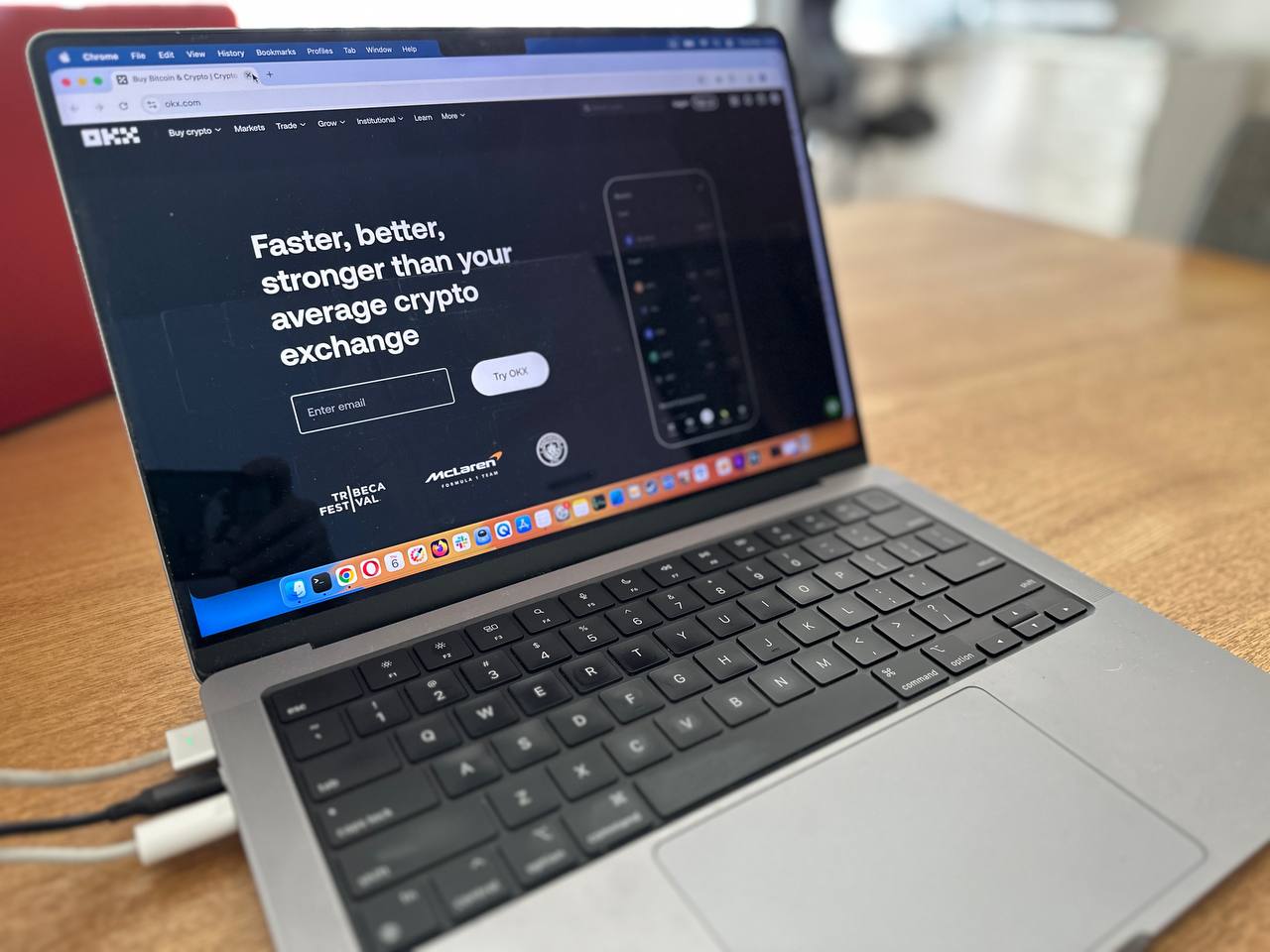
If you are comparing companies like MEXC, we think OKX is a strong terminal-style alternative with built-in automation (grid/DCA), broad markets, and recurring Proof-of-Reserves snapshots. In our tests, the pro screen felt fast and familiar, with solid depth on BTC/ETH and quick order entry. A plus for power users is the OKX Wallet and DeFi integrations, which let you move from CeFi spot trading to on-chain actions within one ecosystem.
Competitive global spot fees, good liquidity on major pairs, native bots (grid/DCA) and a polished pro interface, plus a wallet layer for DeFi access when needed.
Pricing and product availability are region-dependent; in the EEA, entry-tier spot fees are higher than the global schedule, and some features are not offered in certain countries.
Users outside higher-fee regions who value disciplined limit trading, automation tools, and a seamless bridge between exchange trading and on-chain activity.
Strengths:
- Fees (global, Regular): 0.08% maker / 0.10% taker; VIP tiers; OKB fee-discount utility (region-dependent).
- Liquidity: strong on BTC/USDT and ETH/USDT; broad spot listings.
- Proof of Reserves: monthly reports; 22-coin coverage.
- UAE (VARA): 2025 regulated retail-derivatives pilot.
Weaknesses:
- U.S. legal/regulatory: Aux Cayes FinTech Co. guilty plea (Feb 2025); external compliance consultant through at least Feb 2027 (OKX says not government-appointed).
- Country coverage: exited Canada (2023); limited CeFi in India (2024); EEA restrictions; U.S. rollout is phased with reduced products.
- EEA fees: separate schedule; since 01.10.2025 Regular starts at 0.20% maker / 0.35% taker; tier/discount rules differ from global (VIP tiers under EEA grid).
Bybit and Bitget
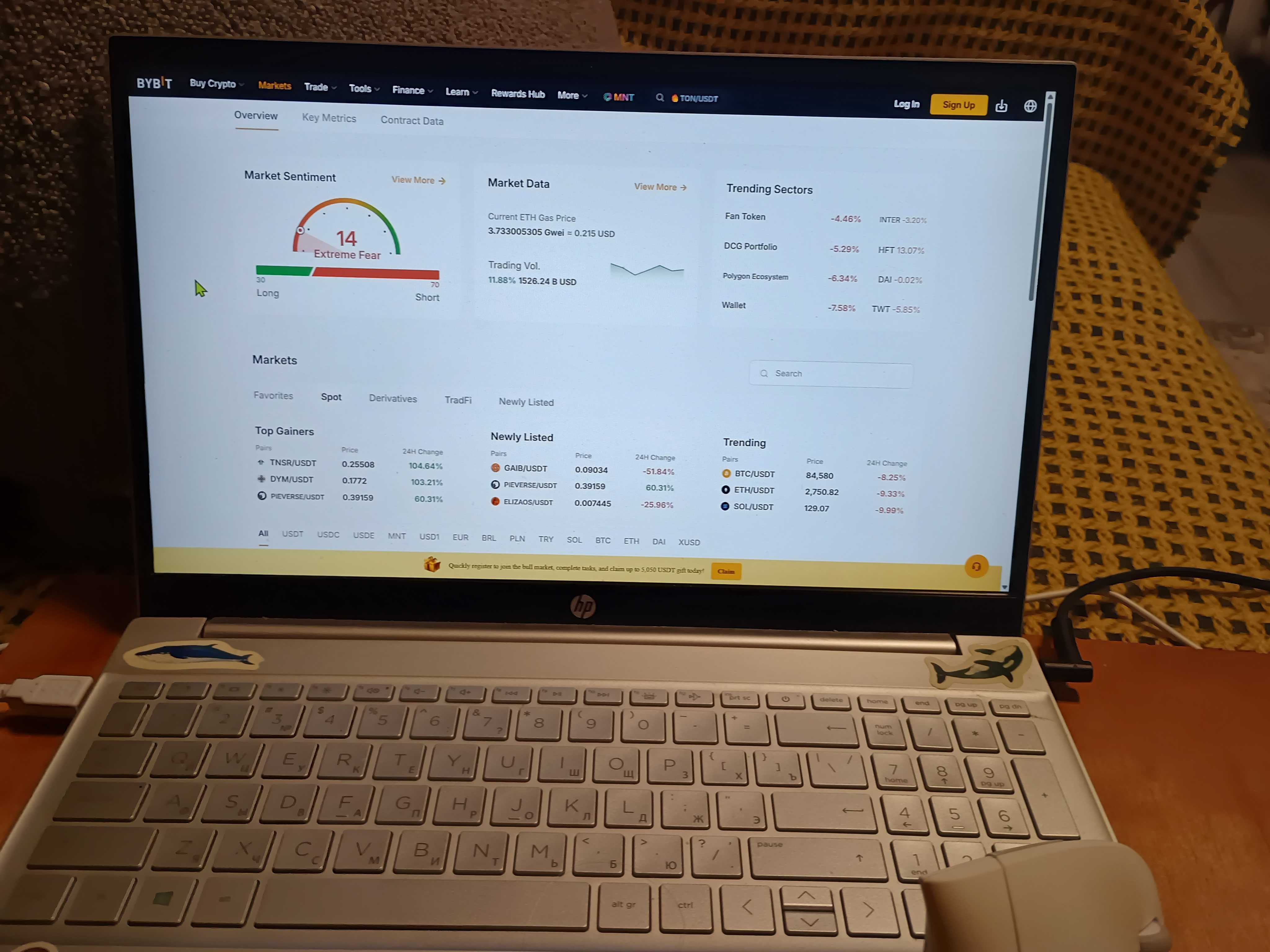
If you’re asking what is better than MEXC for low on‑book costs on BTC/ETH spot, we think Bybit is a solid pick on many crypto‑to‑crypto pairs. In our tests, order entry felt quick and the pro terminal supports OCO and stop/conditional order tools with API access and built‑in bots, so disciplined limit trading is straightforward.
Active liquidity on majors, 0.10%/0.10% base spot fees on many crypto‑to‑crypto pairs (pair type and zone can differ) with periodic promos on select pairs that can lower effective costs (terms vary), and a terminal‑style interface with copy/bot options.
Regional availability and fiat ramps vary by country; proof‑of‑reserves is published as transparency reporting (with third‑party PoR attestations referenced), but it is not the same as a full external financial‑statement audit.
Active spot traders who want good liquidity on BTC/ETH majors and consistently low per‑trade costs.
Strengths:
- High market quality: We experienced instant fills and tight spreads on majors (BTC/ETH) during our $200 test orders.
- Competitive costs: Low 0.10% base fees, which can be further reduced via “Post-Only” orders and frequent promotions.
- Power user terminal: A complete toolkit featuring native OCO orders, Grid Bots, Copy Trading, and TradingView charts.
- Asset depth: An aggressive listing cadence (496+ coins) that provides early liquidity for altcoin hunters.
Weaknesses:
- Geo-restrictions: The platform is strictly blocked in major markets, including the U.S., UK, Canada, and France.
- Fiat friction: Direct bank deposits are limited; funding often relies on P2P markets or pricier third-party gateways.
- Audit status: While Bybit publishes a self-reported Proof of Reserves, it lacks a fully independent, external financial audit.
- Learning threshold complexity: For a newbie who just wants to buy a coin, it might feel cluttered.

For users who prioritize a clean Pro/Spot screen and broad market coverage, Bitget is, in our view, a practical alternative to MEXC. During our checks, majors showed reasonable spreads at retail sizes (conditions vary by time and market) and a straightforward fee ladder.

Competitive entry‑level spot fees (typically 0.10% maker / 0.10% taker on the standard tier; check your tier/pair), hundreds of listed assets and trading pairs (counts change over time), standard spot order types (limit, trigger/stop, OCO), and popular mobile apps with strong user ratings (ratings vary by store/region over time).
The final withdrawal fee is shown before confirmation and can change with network conditions; fiat availability and local pairs vary by country/region.
Beginners and light‑pro users who want an approachable spot terminal with wide asset coverage and low effective costs on the book.
Strengths:
- Low base taker fee (0.10%) in the Pro/Spot interface – cost‑efficient for small to mid-size trades when using the order book
- Strong mobile apps (Android ~4.7★, iOS ~4.5★)
- Broad asset coverage and hundreds of spot pairs
- All key spot order types (limit, stop, stop‑limit, OCO), plus L2 book, charts, and public REST/WebSocket APIs
- Multiple fiat on/off ramps (e.g., SEPA, cards, P2P/local methods); low minimum spot order (~$5)
Weaknesses:
- Depth within ±1% on BTC/USDT and ETH/USDT is generally solid but doesn’t always meet our strict ≥$5M per-side threshold for a 5★ rating
- BTC withdrawal fees are dynamic, and platform surcharges only appear at confirmation. Always check the total withdrawal cost per transfer
- Lacks a clearly published line‑up of ≥5 major fiat quote pairs across spot (USD/EUR/GBP/etc.), even though EUR/SEPA and other rails work
Final Comparison: Which Exchange Fits Your Style?
We ran the same basic spot workflow on each platform to understand how they behave in real use. In our experience, the right MEXC alternative depends less on one headline feature and more on your day to day trading style.
- If you want one main exchange that stays comfortable as you grow, Binance felt the most complete for beginner to pro spot routines.
- If you plan to use bots and automation from day one, OKX felt the most automation native, but access and product menus vary by region.
- If you mostly trade BTC and ETH spot and want a terminal first flow, Bybit feels efficient where it is available.
- If your priority is niche altcoins and unusual pairs, KuCoin stands out for discovery, but low cap assets require extra due diligence.
- If you prefer a clean interface for simple spot orders, Bitget feels approachable while still covering core order tools.
Our practical rule: shortlist two exchanges, then validate your exact path with a small trade and one withdrawal on the network you will actually use.
| Exchange | Standout | Fees | Assets | Fiat | PoR | Best for |
|---|---|---|---|---|---|---|
| MEXC | Ultra low spot fees, very broad altcoin range | 0.000% maker / 0.050% taker | 2000+ coins (varies) | Varies by country; third-party and P2P options | PoR snapshots (self-published transparency) | Fee-first altcoin traders who accept higher platform risk |
| Binance | Best overall mix of liquidity, tools, and usability | 0.10% maker / 0.10% taker (entry) | 500+ coins (varies) | Strong globally; varies by country | Recurring PoR snapshots (not a full audit) | Most beginners wanting one main exchange to grow into |
| OKX | Terminal workflow plus built-in bots | Global 0.08% / 0.10%; EEA 0.20% / 0.35% | Hundreds (varies) | Region-dependent | Monthly PoR reports (coverage varies) | Automation-first users outside higher-fee regions |
| Bybit | Pro terminal, bots, periodic fee promos | 0.10% / 0.10% on many crypto-crypto pairs | ~500 coins (varies) | Varies by country; uneven in places | PoR reporting with third-party attestations cited | Active BTC/ETH spot traders chasing low effective costs |
| KuCoin | Wide altcoin variety and niche pairs | ~0.10% / 0.10% on many pairs | 700+ coins (varies) | Uneven by region | Merkle-tree PoR page | Altcoin hunters wanting maximum variety in one account |
| Bitget | Clean Pro/Spot UI, beginner-friendly flow | ~0.10% / 0.10% (standard tier) | Hundreds (varies) | Varies by country/region | PoR reports (self-published transparency) | Beginners who want a simple terminal with broad coverage |
Latest News





Recommended Articles/Reviews



The material on GNcrypto is intended solely for informational use and must not be regarded as financial advice. We make every effort to keep the content accurate and current, but we cannot warrant its precision, completeness, or reliability. GNcrypto does not take responsibility for any mistakes, omissions, or financial losses resulting from reliance on this information. Any actions you take based on this content are done at your own risk. Always conduct independent research and seek guidance from a qualified specialist. For further details, please review our Terms, Privacy Policy and Disclaimers.