
BTCC Exchange Review 2026: Fees, Liquidity, Safety
Affiliate Disclosure:
GNCrypto editors review services independently. If you click on affiliate links, we may earn commissions, which help support our testing. The goal of our reviews is to provide our readers with the most objective and unbiased overviews of available platforms for spot crypto trading.
BTCC

BTCC is a long-running spot venue with a familiar pro-style interface to handle everyday retail trading comfortably. It lacks a big-exchange style public status.
GNcrypto's Verdict

BTCC is a long-running centralized exchange (founded in 2011) with a pro-style spot interface and hundreds of USDT-quoted pairs. In our test, order execution was stable and spreads on BTC/USDT remained modest, though entry-tier taker fees of 0.30% make book trading more cost-efficient than instant card buys. BTCC isn’t a U.S. public company; it publishes Merkle-tree PoR but lacks a public real-time status hub. Availability varies by jurisdiction.
- Long‑running CEX (founded 2011)
- Spot turnover ~$1.5B / 24h
- Merkle‑tree Proof‑of‑Reserves
- Entry‑tier spot fees are high
- No spot trading discounts
- USDT fiat purchases only
On this page


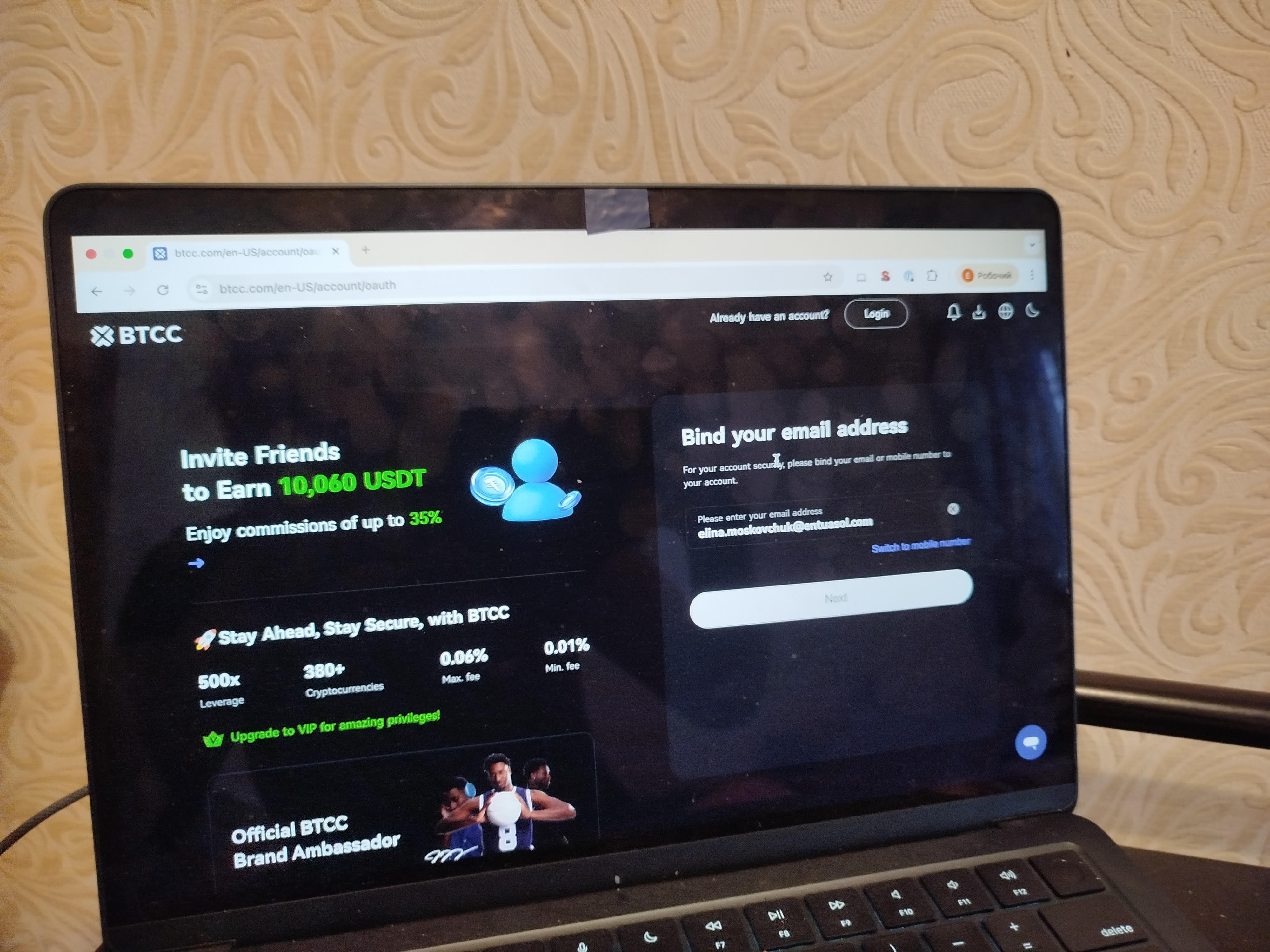
GNcrypto’s finance team registered at BTCC and executed several spot trades to gauge real costs, market quality, and usability. We measured fees and spreads, checked liquidity, assets, fiat ramps, and safety (Merkle-tree PoR), and scored BTCC 3.8/5 – who it suits today, and when lower-fee rivals make more sense.
BTCC Overview
BTCC is a long‑running centralized exchange (founded in 2011) with an expanded spot market alongside derivatives. It lists hundreds of pairs of USDT quotes and offers a pro‑style interface for book trading. Our focus here is spot trading quality and costs based on a $200 mystery‑shop in this BTCC review.
BTCC suits retail and light‑pro users who want a simple spot interface and broad asset list. Entry‑tier fees are higher than on the cheaper competitors, so cost‑sensitive buyers will get the best value by trading on the order book (rather than instant card rails) and by using maker discipline as volumes grow.
If you value simple execution and a familiar pro layout, BTCC can work as a daily spot venue. In our $200 test we saw modest on‑book spreads on BTC/USDT and a clean ticket/book/chart layout. At base tier, taker fees of 0.30% dominate the all‑in cost; fiat quote depth is less visible than on top U.S./EU venues, with coverage skewing to USDT quotes.
We tested BTCC to see if it fits beginner‑level spot traders. Our verdict: it does, provided you’re comfortable placing limit or market orders on the book and you accept higher entry‑tier fees. The platform becomes more competitive if you trade larger tickets, use maker orders, and keep to liquid majors.
Hands‑on: our $200 spot buy (BTC/USDT)
We placed a $200 BTC/USDT trade in the spot view where the order ticket, L2 book, and chart sit together. The base taker fee is 0.30%, which came to about $0.60 on this ticket. During liquid hours we observed a 0.02–0.05% spread; combined with fees, the effective trade cost for the test landed around 0.32–0.35%. Minimum spot order size was about $10 (or per‑asset minima like 0.0001 BTC), so small first‑time purchases are feasible. Withdrawal network fees are dynamic and shown at confirmation.
Key platform features (spot)
- Core spot order set for book trading (limit/market; stop variants available in the advanced interface)
- Depth view with Level 2 order book; full candlestick chart
- Public APIs for programmatic access
- Mobile apps for iOS and Android
Trustworthiness Check (quick scan)
- Proof‑of‑Reserves: BTCC’s Merkle-tree PoR (Oct 2025) shows ~141–143% reserves; no major 2025 security incidents were reported.
- Security tooling: 2FA, address whitelisting, and withdrawal verification flows documented in the help center.
- Corporate background: Founded 2011 (as BTC China); later ceased China trading amid regulation and continued under BTCC.
Public incidents (2025): No widely reported BTCC‑specific breaches surfaced in mainstream coverage during this review window; we continue monitoring legal and security trackers.
Pros and Cons of Using BTCC
We evaluated BTCC’s spot venue across liquidity, market coverage, costs, tools, and access. In this BTCC crypto exchange review, we focus on spot trading quality, costs, and day‑to‑day usability. The BTC/USDT order book is workable for retail sizes, the pair list runs into the hundreds (USDT‑quoted), and the pro‑style interface keeps things straightforward – though entry‑tier fees are higher than competitors.
Strengths:
- Long‑running CEX (founded 2011) with solid reported spot turnover (~$1.5B 24h when checked)
- Publishes a Merkle‑tree Proof‑of‑Reserves hub and explains verification
- Expanded spot market in 2025; sources cite 250+ trading pairs
Weaknesses:
- Entry‑tier spot fees are relatively high (maker 0.20%, taker 0.30%)
- Public materials don’t clearly document broad fiat‑quote coverage on spot; offering skews to USDT quotes
- No dedicated public status/uptime portal comparable to the largest venues; transparency leans on PoR and help‑center posts
GNcrypto’s Overall BTCC Rating
| Criteria | Rating (out of 5) |
|---|---|
| Liquidity & Volume | 4 |
| Fees & Total Cost to Trade | 3 |
| Asset Selection & Trading Pairs | 4 |
| Execution Quality / Market Quality | 4 |
| Tools & Order Controls | 4 |
| Fiat Access & Minimum Trade Size | 4 |
| Reliability & Transparency | 4 |
Methodology – Why You Can Trust Our Scores
We use a weighted, category‑driven framework and a consistent data intake across exchanges (open sources plus hands-on testing). Each platform receives a 1.0–5.0 star rating, rounded to one decimal (e.g., 3.8★). Our focus is on practical spot trading quality – fees, execution, and asset access.
How We Gather Data
- Public sources: fee schedules, supported assets/pairs, proof‑of‑reserves disclosures, and system/status pages.
- First‑hand testing: we place test spot trades, observe effective costs (fee + spread), measure slippage/spreads on majors, and evaluate UI speed plus order controls.
We don’t rate solvency or guarantee financial stability. These scores reflect user experience and trading quality – not a balance‑sheet audit.
Categories & Weights
– Liquidity & Volume – 25%
– Fees & Total Cost to Trade – 25%
– Asset Selection & Trading Pairs – 15%
– Execution Quality (Market Quality) – 10%
– Tools & Order Controls – 10%
– Fiat Access & Minimum Trade Size – 5%
– Reliability & Transparency – 10%
Latest News





Recommended Articles/Reviews




The material on GNcrypto is intended solely for informational use and must not be regarded as financial advice. We make every effort to keep the content accurate and current, but we cannot warrant its precision, completeness, or reliability. GNcrypto does not take responsibility for any mistakes, omissions, or financial losses resulting from reliance on this information. Any actions you take based on this content are done at your own risk. Always conduct independent research and seek guidance from a qualified specialist. For further details, please review our Terms, Privacy Policy and Disclaimers.