Trust Wallet vs Zengo: which one to choose in 2026?
Zengo and Trust Wallet are two beginner-friendly hot wallets in 2026, but they solve safety very differently. We tested setup, recovery, swaps, and first dApp connections, then mapped the results to real newbie scenarios so you can pick the calmer fit for your first months in self-custody.
After our live test, the distinction felt sharp. Zengo came across as the calmer path if you want to avoid seed phrase mistakes, while Trust Wallet felt like the broader all-in-one option when you care most about multi-chain coverage and frequent dApp use. The table below shows how both wallets scored across our GNcrypto categories.
Trust Wallet vs Zengo at a glance
| Category | Trust | Zengo | Winner |
|---|---|---|---|
| Security & Key Management | 4.5 | 4.7 | Zengo |
| Supported Assets & Networks | 5.0 | 4.0 | Trust |
| Transaction Costs & Speed | 4.0 | 3.8 | Trust |
| User Experience & Interface | 4.5 | 4.6 | Zengo |
| DeFi & dApp Integration | 4.0 | 3.8 | Trust |
| Recovery & Backup Systems | 4.5 | 4.8 | Zengo |
| Customer Support & Documentation | 5.0 | 4.0 | Trust |
| Total | 4.5 / 5 | 4.3 / 5 | Trust |
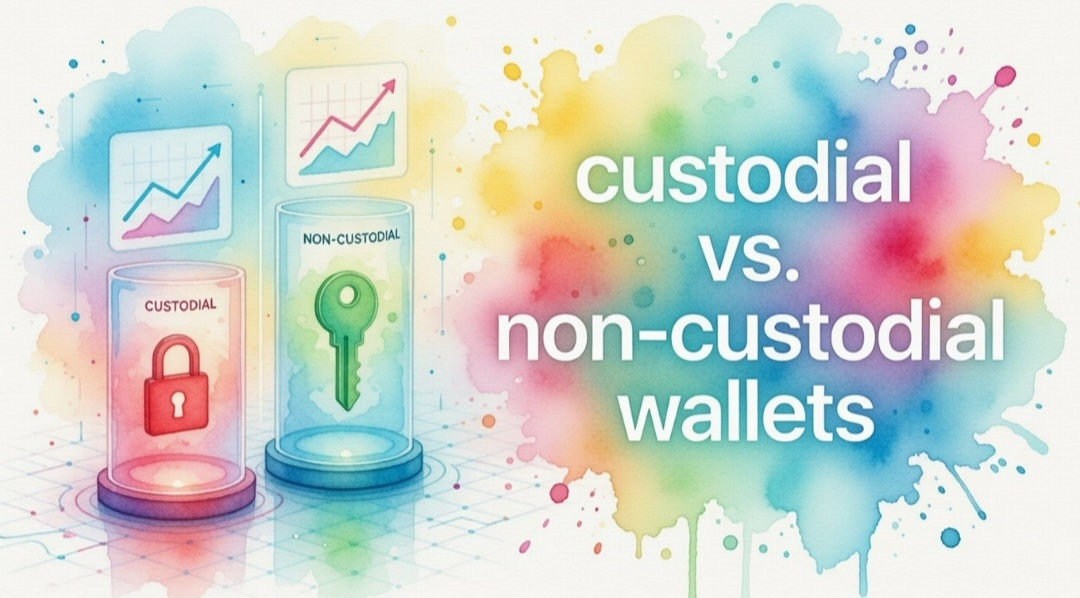
Keyless vs seed-based security
The core security difference we felt in testing is not the number of chains or swaps. It is the access model.
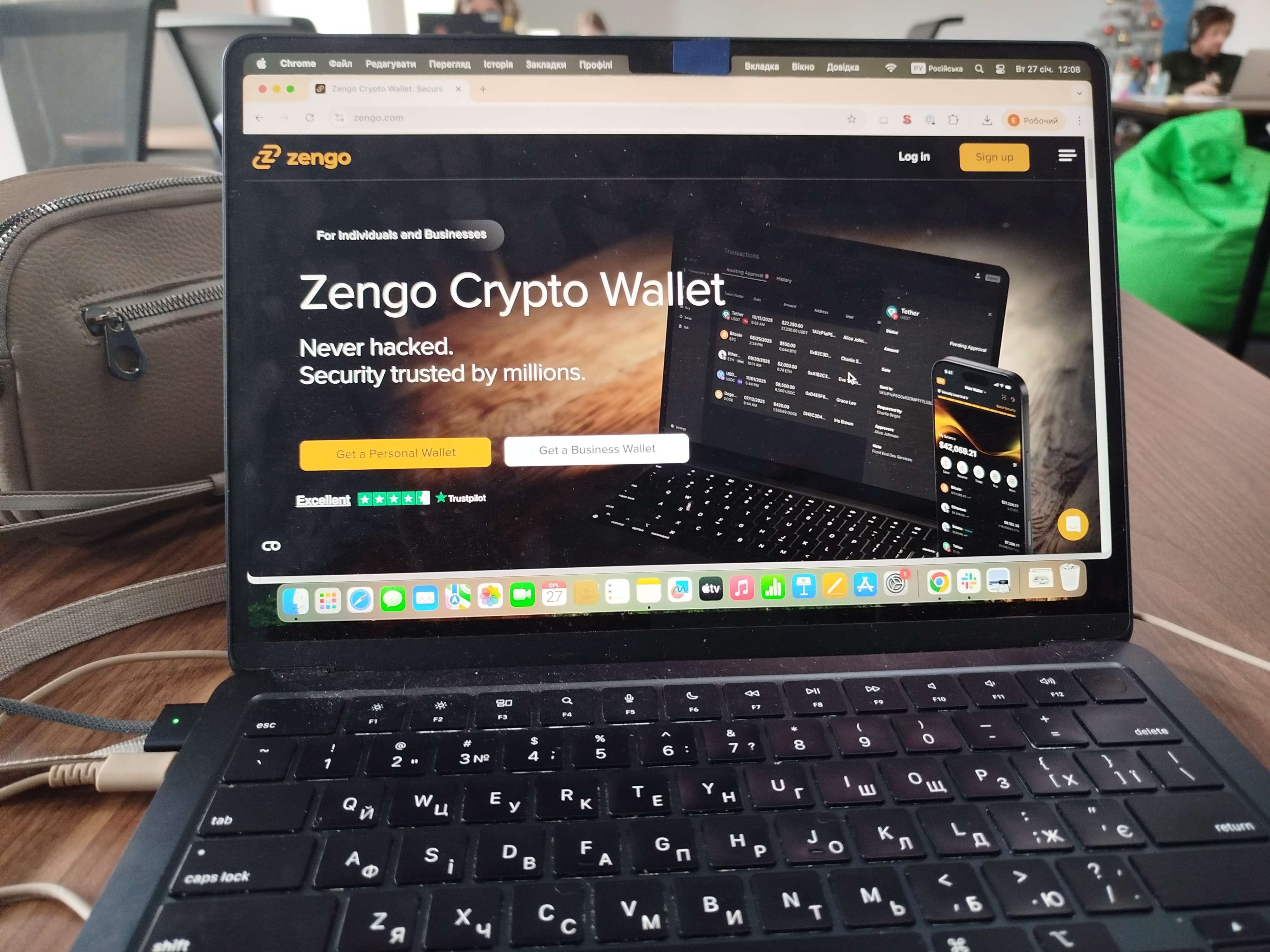
Zengo is built around a keyless MPC setup, which means you do not start by writing down a seed phrase. For a beginner, that changes the most common failure mode: there is no 12-word secret to screenshot, paste into a fake website, or hand to someone pretending to be support. In our experience, the wallet feels like it is trying to protect you from yourself on day one: you set up strong device access, then you focus on normal actions like receiving and sending, instead of obsessing over a piece of paper.
Trust Wallet, in its classic setup, is the opposite: you are handed a recovery phrase that becomes the master key. That is normal for seed-based wallets, but it also means most real risks are human risks. The app can be fine and you can still lose everything if the phrase leaks. The safest mental model for a new user is simple: if anyone gets your recovery phrase, they can take your funds from anywhere.
There is one nuance worth knowing: Trust Wallet also offers a newer “Swift” account option that is protected by passkeys and is designed to remove the need for a recovery phrase. That can reduce seed-related mistakes, but it also means you must be clear which account type you created, and treat your phone lock and Apple ID or Google account security as part of wallet security.
The most common beginner mistakes we saw (and tried to design our own test against) were: saving a seed phrase in Notes or screenshots, typing the phrase into a site that claims you need to verify your wallet, installing a fake app or extension from an ad, and trusting a random DM that claims to be support. In our Zengo vs Trust Wallet checks, the main takeaway is that Zengo reduces seed leakage risk by design, while Trust Wallet rewards disciplined seed handling.
Ease of recovery
Recovery is where we see beginners get surprised, because the wallet can feel “easy” right up until you lose a phone or reinstall the app. In our tests, the two wallets handle that moment very differently.
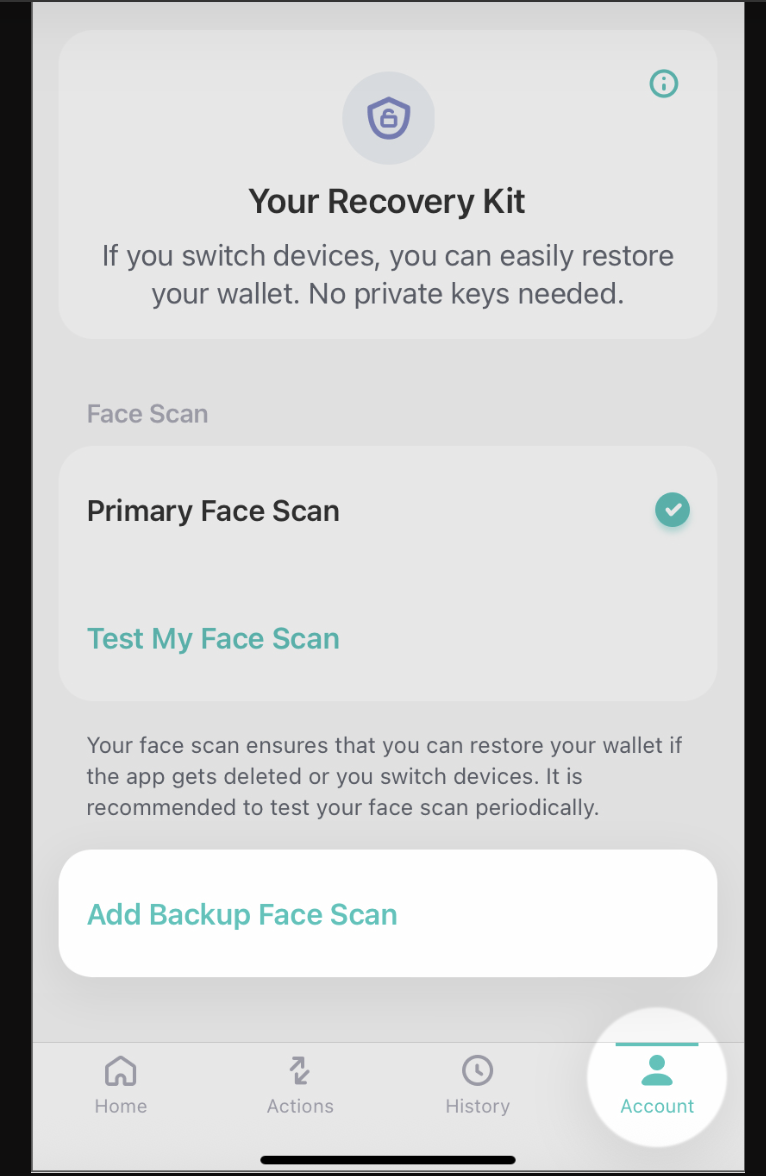
With Zengo, you do not rely on a seed phrase. Recovery is tied to a Recovery Kit flow that leans on your device security plus access to your personal cloud account, with biometric FaceLock as a core gate. The upside is obvious: there is no 12-word secret sitting in your photo gallery. The trade-off is that you are now protecting a bundle of dependencies: your phone lock, your cloud account login, and the email account you use for Zengo. If any of those are weak, recovery becomes the attack surface.
With Trust Wallet, the classic path is still a seed-based restore: if you have the recovery phrase, you can restore from anywhere; if you lose it, there is nothing to reset. Trust also talks about encrypted cloud backup as an option for secret phrase-style accounts, which can reduce “paper loss” risk, but it adds a new one: your cloud account security and any backup password you set become part of your wallet security. If you used the newer Swift passkey account, recovery becomes more like restoring a passkey-protected account than typing a phrase, so you need to be crystal clear which account type you created.
Our pre-deposit recovery drill is simple: 1) do a clean reinstall or a restore on a second device, 2) confirm you can see the same address and history, 3) only then fund the wallet beyond a test amount. Based on our Zengo Wallet vs Trust Wallet comparison, Zengo feels more forgiving for seed mistakes, while Trust Wallet rewards strict backup discipline.
Asset & feature support
Once you are comfortable with access and recovery, the next question is what you can actually do inside the app without juggling three extra tools. To thoroughly compare Trust Wallet vs Zengo, we focused on four everyday moments: receiving on the right network, finding a token or NFT you just got, making a swap, and connecting to a dApp.
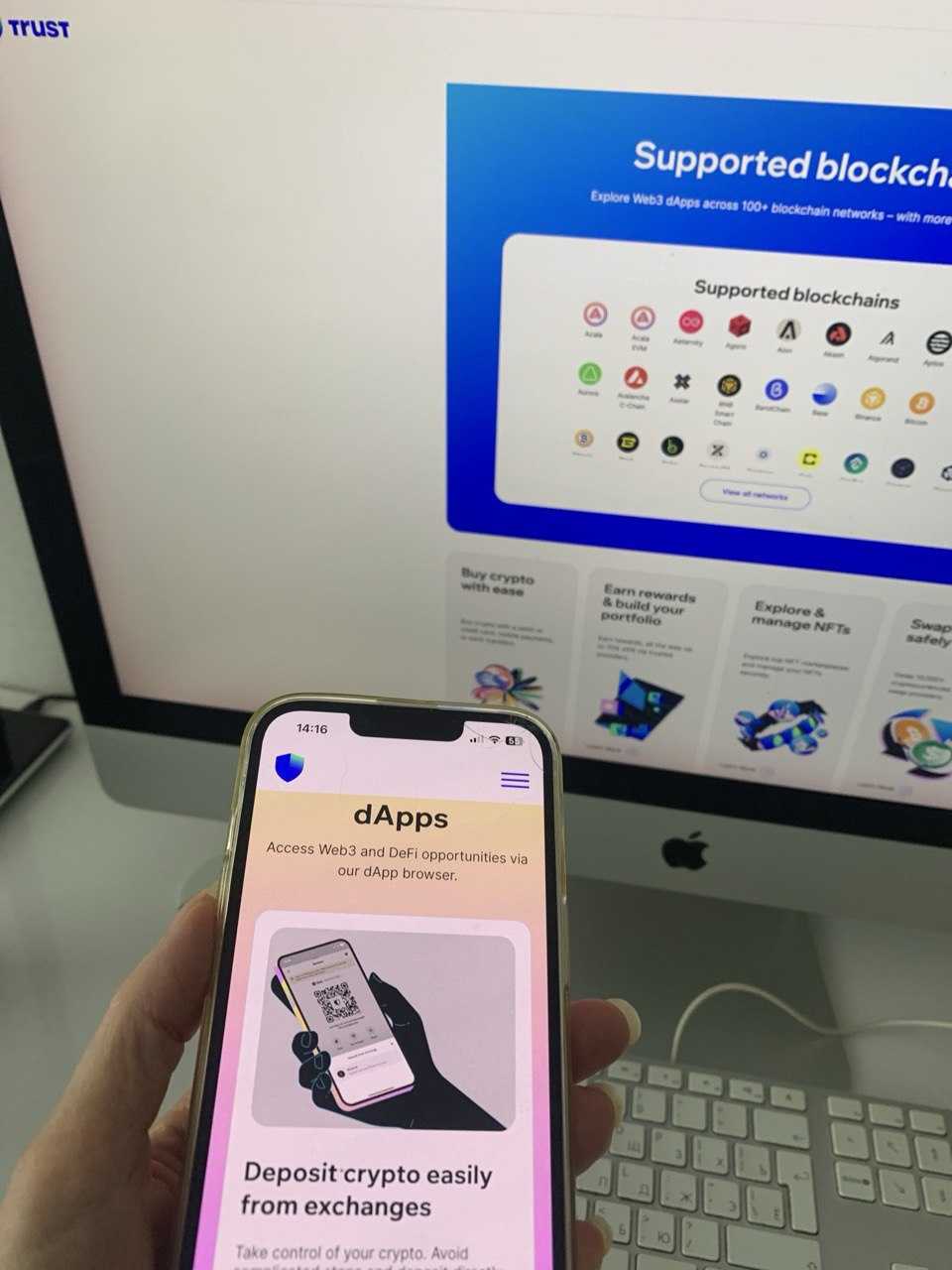
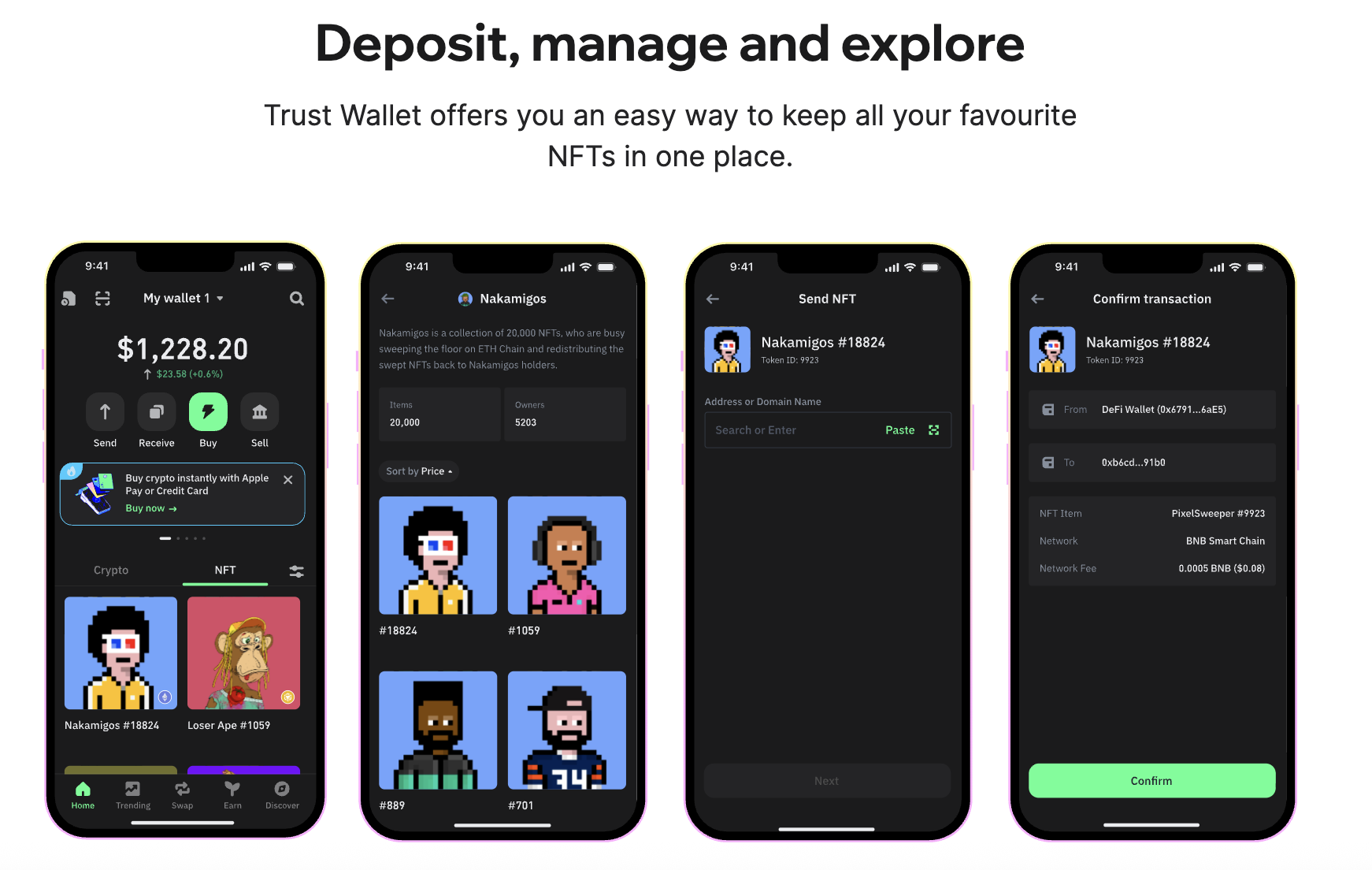
Trust Wallet felt like the broader “all-in-one” option. Trust positions the wallet as multi-chain, claiming support for 100+ blockchains and more than 10 million assets, plus built-in swaps, staking, and NFT features. It also ships both a mobile app and a browser extension, which matters if you want a consistent setup between phone and desktop. A practical safety layer we noticed is the Trust Wallet Security Scanner, which is designed to surface warnings around risky tokens and suspicious activity during common actions like swaps.
Zengo is more curated in how it exposes features. The wallet emphasizes a smaller set of guided flows: holding and sending, in-app swaps, and a controlled bridge into Web3 connections. Its built-in swap can include a processing fee (listed as 0.5%) plus a spread, so it is convenient, but you still want to compare the final receive amount before confirming. For dApps, Zengo uses Zengo App Connect (WalletConnect) and clearly states which chains are supported for connections, such as Ethereum, Optimism, Arbitrum One, and Polygon, with some Web3 apps not supported.
The beginner pitfall we would call out is visibility versus loss: if a token or NFT does not show up, the first step is to verify the network and asset support before assuming anything is gone.
Zengo vs Trust Wallet – which should you choose
If you want to avoid seed phrase mistakes from day one
Choose: Zengo
In our experience, the keyless MPC setup removes the single most common beginner failure: leaking a 12-word recovery phrase.
If you want one wallet that covers the widest range of chains and tokens
Choose: Trust Wallet
It felt like the more all-in-one option in daily use, especially when you jump between networks and need the wallet to recognize more assets by default.
If you plan to connect to DeFi apps from a laptop almost every day
Choose: Trust Wallet
The extension-based workflow is the more natural fit for frequent dApp sessions, approvals, and onchain swaps.
If you want the calmest first month in self-custody
Choose: Zengo
We think the guided, mobile-first flow is easier to follow when your goal is basic storage, sending, and occasional swaps without living inside DeFi menus.
If you want a recovery method, you can restore anywhere without relying on cloud logins
Choose: Trust Wallet (seed phrase account)
The classic seed model is portable across devices, but it only works if you are disciplined about offline backup and never sharing the phrase.
If you like passkeys and want seedless access but still prefer a multi-chain wallet
Choose: Trust Wallet (Swift account)
This path reduces paper backup risk, but it makes your phone lock and Apple ID or Google account security part of your wallet security.
If you swap often with small amounts and care most about total cost
Choose: either, but compare the final receive amount every time
In our tests, both wallets can add costs beyond network gas, so we would pick the wallet you prefer for signing and then price check each swap before confirming.
How we tested Zengo vs Trust Wallet
We compared both wallets using the same GNcrypto hot wallet methodology, so this Zengo vs Trust Wallet comparison stays consistent. Our framework uses seven categories: Security and Key Management, Supported Assets and Networks, Transaction Costs and Speed, User Experience and Interface, DeFi and dApp Integration, Recovery and Backup Systems, and Customer Support and Documentation.
We normalize observations into a 1.0 to 5.0 rating in 0.1 point steps and roll them into an overall score. To ground the review, we combined public sources such as official docs and support articles, security and feature pages, app store and extension listings, and supported network and asset pages with hands on checks: installing both apps, creating a new wallet on each side (keyless setup in Zengo versus seed phrase or Swift in Trust Wallet), moving small test amounts, sending out on the right network, checking how tokens and NFTs appear in the portfolio, connecting to a dApp (Trust Wallet mobile and extension flow, Zengo App Connect where available), trying an in app swap, and running a recovery drill on a clean install before treating either wallet as ready for real funds.
The material on GNcrypto is intended solely for informational use and must not be regarded as financial advice. We make every effort to keep the content accurate and current, but we cannot warrant its precision, completeness, or reliability. GNcrypto does not take responsibility for any mistakes, omissions, or financial losses resulting from reliance on this information. Any actions you take based on this content are done at your own risk. Always conduct independent research and seek guidance from a qualified specialist. For further details, please review our Terms, Privacy Policy and Disclaimers.
Articles by this author