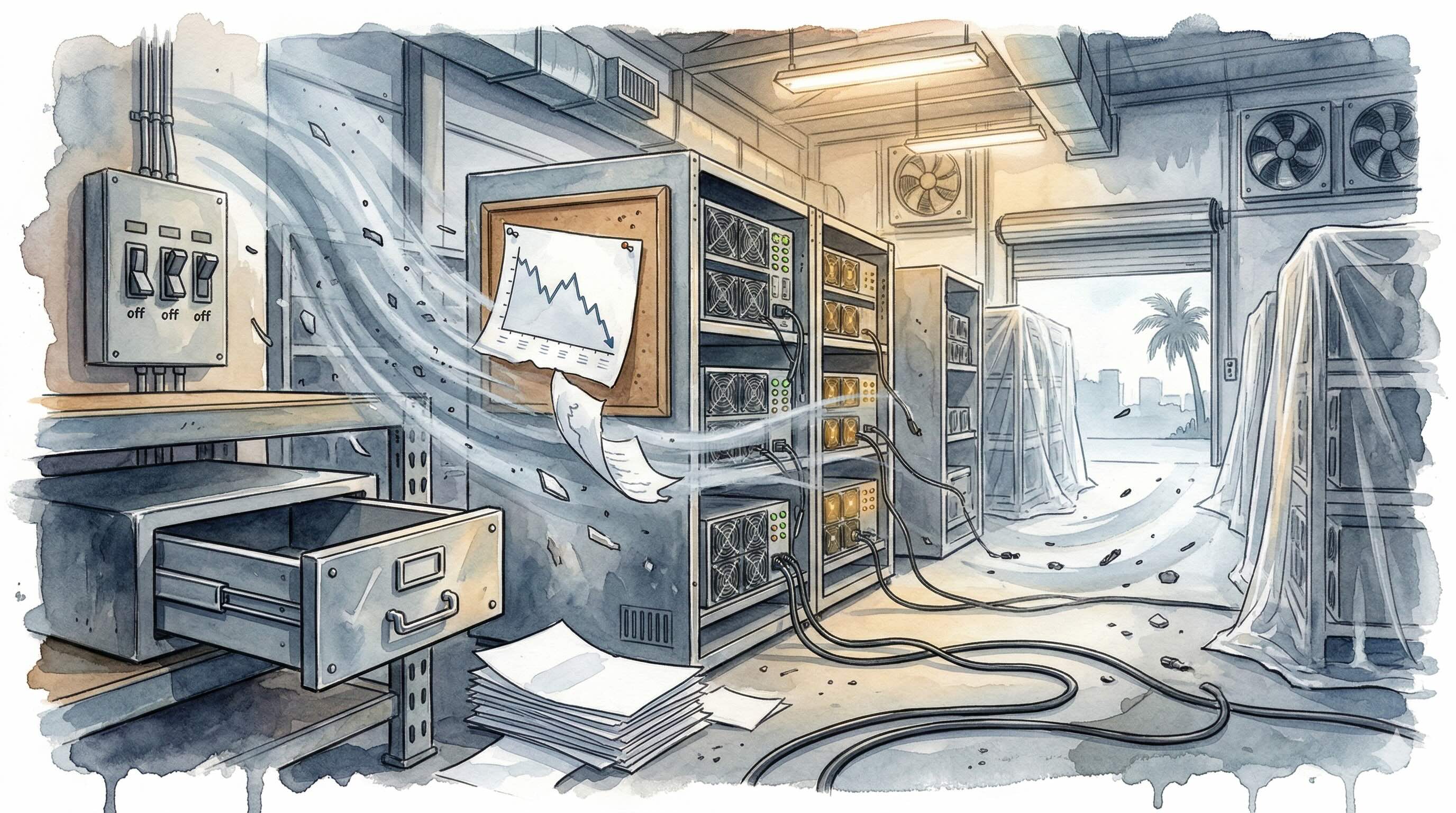
Zcash proposes Ironwood pool, turnstile after Orchard bug

Developers propose an Ironwood shielded pool and a turnstile checkpoint to verify ZEC supply after auditors found a vulnerability in Orchard.
Zcash developers have proposed a new shielded pool called Ironwood and an accounting checkpoint known as a turnstile after auditors discovered a vulnerability in the Orchard shielded pool that could have allowed counterfeit ZEC to be created undetected.
The proposal, announced by the Zcash Open Development Lab (ZODL), would close the current Orchard pool to new deposits and internal transfers. Funds moving into Ironwood would first pass through the turnstile, an interface designed to check supply accounting before coins enter the new pool. ZODL said it is coordinating the upgrade with Tachyon, Valar Group, the Zcash Foundation and auditors at Shielded Labs.
Auditors at Shielded Labs reported they found a flaw in Orchard that could, in theory, allow an attacker to produce effectively unlimited counterfeit ZEC within the shielded pool without triggering detection. The Zcash Foundation and developers stated they have found no evidence that user funds were affected or that the network’s total supply of ZEC changed.
Under the Ironwood plan, the Orchard-derived protocol would undergo formal verification and independent audits. The turnstile would act as an accounting checkpoint: if users move coins from Orchard to Ironwood and no excess ZEC attempts to exit the old pool, that outcome would count as evidence the vulnerability was not exploited. If excess coins try to leave Orchard, the turnstile would reject them, preventing those coins from entering the circulating supply.
Community members have debated the proposal. Some expressed concern that efforts to prove the bug was not exploited could imply a backdoor in the protocol, while others argued that deprecating Orchard and routing exits through a turnstile would trap any excess coins if they existed. On X, David Schwartz, former chief technology officer at Ripple, wrote that if the vulnerability was not exploited, users would remain safe whether or not they move their coins, adding that users who stay in the pool may be ‘lonely’ but their funds would remain accessible.
The market reacted to the disclosure: ZEC fell from above $600 to as low as $303 before trading around $429 at the time of reporting. Developers said they will conduct further testing and independent review before any activation.
ZODL indicated it aims for Ironwood activation in late July 2026, subject to additional testing, audits and coordination across the Zcash ecosystem. Developers and auditors will continue technical work and community outreach in the coming weeks. If adopted, the upgrade would add formal verification steps and independent audits to increase transparency around shielded transactions and supply accounting.
The material on GNcrypto is intended solely for informational use and must not be regarded as financial advice. We make every effort to keep the content accurate and current, but we cannot warrant its precision, completeness, or reliability. GNcrypto does not take responsibility for any mistakes, omissions, or financial losses resulting from reliance on this information. Any actions you take based on this content are done at your own risk. Always conduct independent research and seek guidance from a qualified specialist. For further details, please review our Terms, Privacy Policy and Disclaimers.
Articles by this author