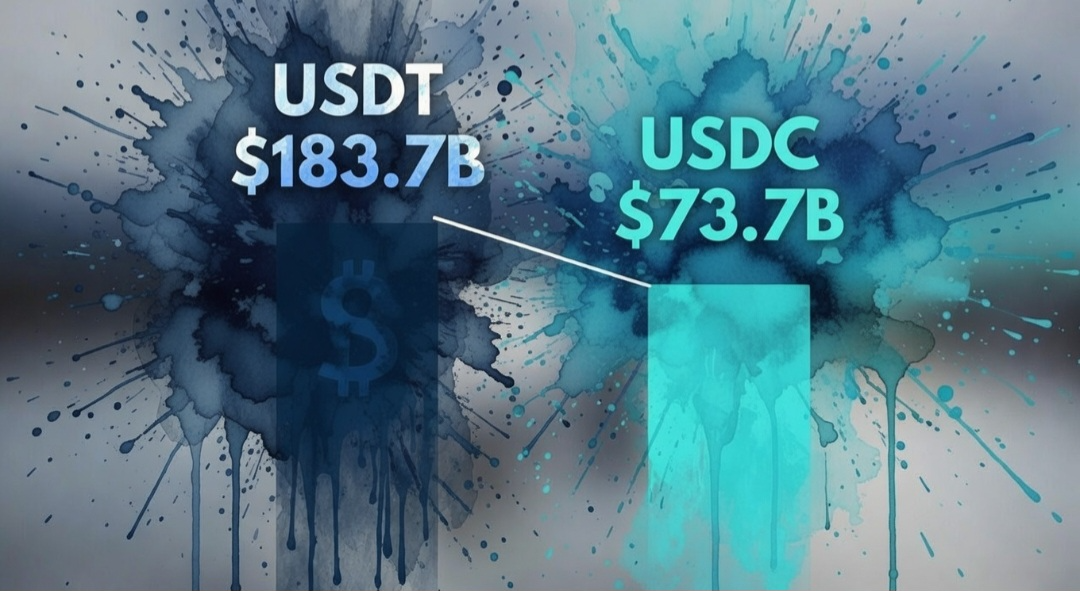
WLFI goes for a U.S. trust bank charter to issue USD1 onshore
World Liberty Financial, a crypto venture tied to President Donald Trump’s family, says it wants to run its USD1 stablecoin through a fully U.S.-based setup.
World Liberty Financial says its affiliate, WLTC Holdings, has filed an application with the Office of the Comptroller of the Currency (OCC) to form a national trust bank built for stablecoin operations. If approved, the new entity, World Liberty Trust, would be able to issue and redeem USD1, hold reserves, and provide custody services for digital assets.
The move comes as Washington pushes to formalize stablecoin rules. World Liberty says the proposed bank would be designed around the requirements of the GENIUS Act, a bill meant to set a federal framework for stablecoin issuers. The company is also promising fee-free conversions between U.S. dollars and USD1 once the product is fully rolled out. By World Liberty’s own estimate, more than $3.3 billion worth of USD1 entered circulation during its first year.
At the same time, WLFI is trying to scale supply through internal governance. In December, tokenholders were asked to vote on a plan to direct 5% of the WLFI treasury toward increasing USD1 issuance. The proposal framed the decision as a race in a crowded dollar-stablecoin market, and argued that faster partnerships with both centralized and DeFi platforms could help the token gain reach.
Still, WLFI’s push is unfolding under political scrutiny. Democratic senators Elizabeth Warren and Jack Reed asked the Justice Department and the Treasury Department to review WLFI token sales after reports that WLFI tokens appeared at addresses tied to sanctioned entities. Earlier, a group of senators also contacted the OCC and the Federal Reserve, calling the president’s link to the project an “extraordinary” conflict of interest. Their letter warned that decisions by financial regulators could be influenced by the White House.
That context is why WLFI’s bank charter bid reads as more than routine paperwork. It’s a test of how a politically connected crypto project tries to enter the regulated banking perimeter, while lawmakers and federal officials watch closely. The next move now belongs to the OCC.
The material on GNcrypto is intended solely for informational use and must not be regarded as financial advice. We make every effort to keep the content accurate and current, but we cannot warrant its precision, completeness, or reliability. GNcrypto does not take responsibility for any mistakes, omissions, or financial losses resulting from reliance on this information. Any actions you take based on this content are done at your own risk. Always conduct independent research and seek guidance from a qualified specialist. For further details, please review our Terms, Privacy Policy and Disclaimers.
Articles by this author