WIREX visa card review 2026: our verdict after hands-on testing
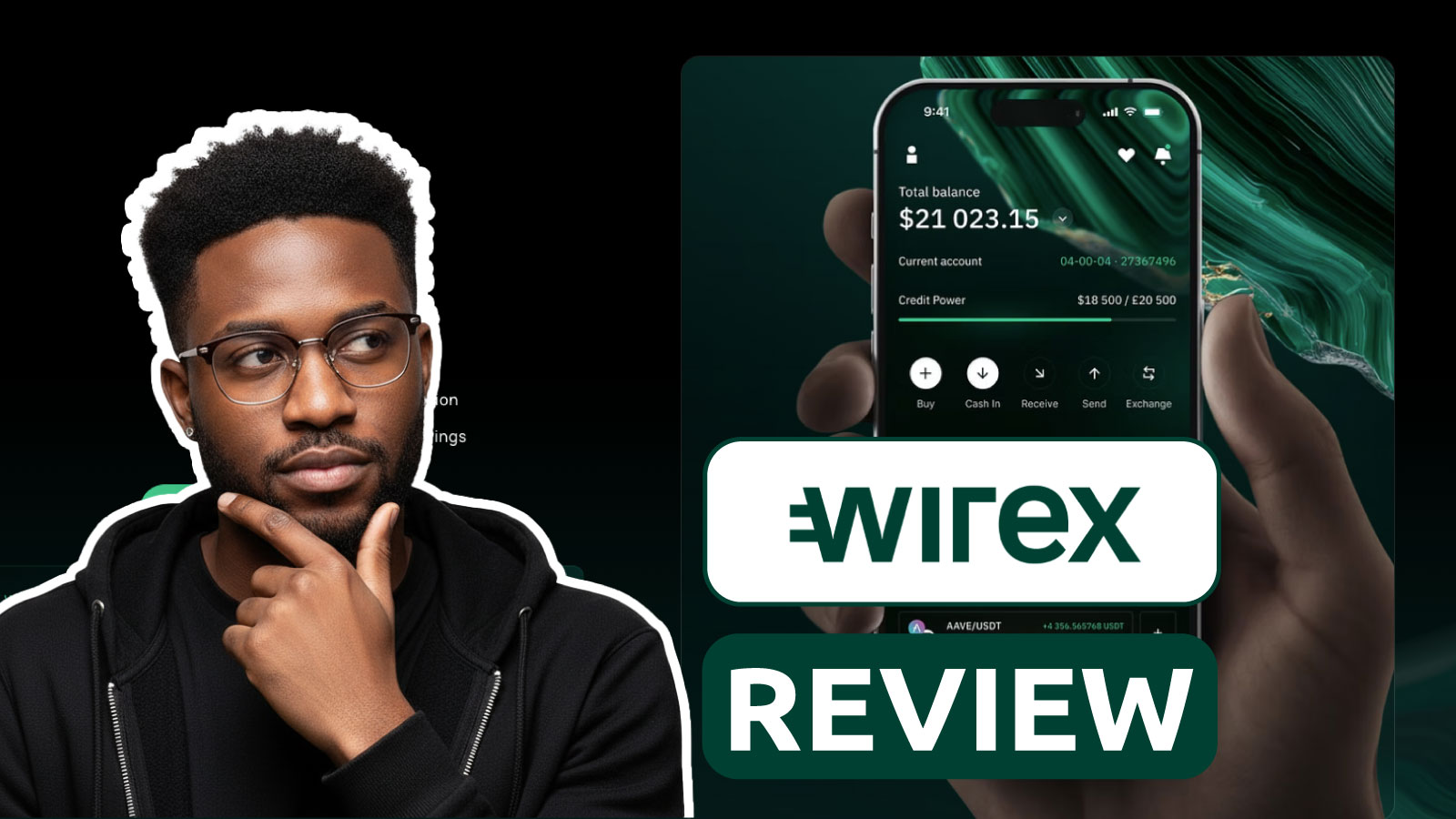
We tested Wirex Card like a regular user: card issuance, funding, online and in-store payments, currency conversion at checkout across multiple currencies, and ATM cash withdrawals. Along the way, we tracked the real costs: fees, exchange spreads, and limits, plus how quickly support issues get resolved.
Is Wirex Card worth it in 2026?
Short answer: Wirex Card is good for travel and multi-currency spending, but it’s not the cheapest “simple everyday” card.
The card becomes expensive when you:
- Convert at checkout all the time (FX spreads add up)
- Use ATMs a lot (free limit is small, then fees)
- Leave it unused (inactivity fees can kick in)
Use it if:
- You travel or pay in different currencies
- You want many assets in one place (crypto + fiat)
- You’ll actually use Wirex enough to justify plans and rewards tiers
Skip it if:
- You want super clear, predictable costs
- You prefer self-custody
- You need a “fund it once and forget it” setup (inactivity fees + limits can bite)
GNcrypto’s overall Wirex Card rating
| Criterion | Score |
|---|---|
| Fees & Costs | 3.1 |
| Rewards & Cashback | 4.0 |
| Supported Currencies & Regions | 3.7 |
| Card Limits & Spending Controls | 3.2 |
| Security & Fraud Protection | 3.6 |
| User Experience & App Integration | 4.0 |
| Customer Support & Card Delivery | 3.7 |
| Total | 3.8 / 5 |
What the Wirex сard is: setup and real use
At its core, Wirex is a custodial app that lets you hold crypto and use it for payments. Merchants are settled in fiat, so you manage your balances in the app and, at checkout, Wirex converts what’s needed through partner providers.
The everyday flow is familiar: create an account → complete KYC → issue a virtual card (and optionally order a physical one) → fund your balances → start paying online and in person. Overall, the app feels like a multi-currency banking product with crypto features layered on top.
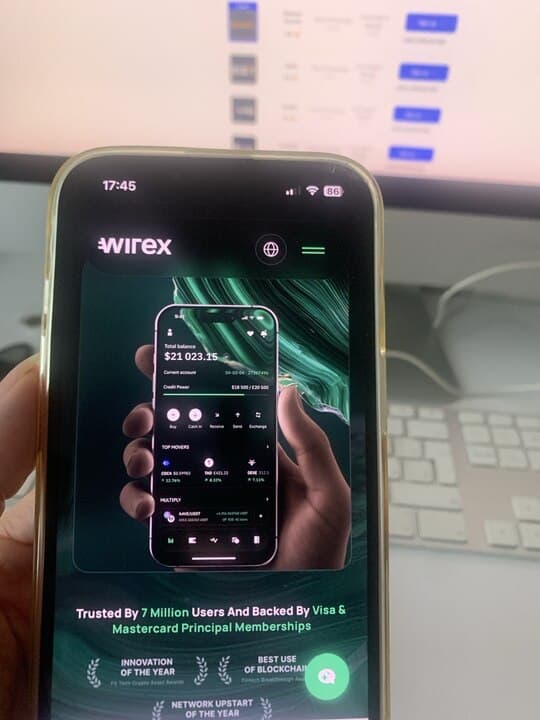
In most WIREX card reviews, Wirex is described as an ecosystem that combines a wallet, an exchange, a card, a loyalty program, and yield/credit products. If you like “all-in-one” platforms, that’s a plus. If you prefer a lean setup (separate wallet, separate exchange, separate card), Wirex can feel a bit overloaded.
The platform controls the private keys for supported crypto balances. That boosts convenience (easier spending, easier swaps), but it also means you depend on the platform’s operational reliability and compliance decisions. For many users, that trade-off is acceptable. Still, it’s a real risk to factor in.
Supported assets & accounts
Coverage is one of the strongest arguments for this WIREX crypto card review. The app supports over 150 cryptocurrencies and fiat currencies in one place, which is exactly what you want from a card for international travel: keep a few fiat currencies for day-to-day spending, hold stablecoins for budgeting, keep crypto for longer-term exposure, and convert only when you actually need to.
What this means in practice:
- Travel convenience: the card is built for paying in the local currency, and conversion happens at checkout if you do not already have the needed fiat balance.
- Portfolio-style management: you can keep several assets for different goals (everyday fiat, stablecoins for budgeting, volatile crypto for the long term).
- Extra features beyond the card:
- Cryptoback™ (cashback paid in WXT).
- X-Accounts (yield tools marketed with high headline rates; real terms depend on plan, asset, and region).
- Wirex Credit (stablecoin loans backed by BTC/ETH; terms and availability depend on region and account level).
But it’s important to keep in mind that feature availability and limits vary by country and by product version. Wirex has also stopped servicing certain jurisdictions; for example, citizens and residents of countries under US and EU sanctions are listed as unsupported. Before signing up, first check whether the card is available where you live.
Fees, FX rates & costs: what Wirex Card really charges
Costs are where many crypto cards lose points, and the Wirex Card is no exception. The fee picture here is not straightforward: the best overall experience usually assumes you pay for a plan and lock WXT.
In this WIREX visa card review, we want to highlight one key point: you should treat this card like a subscription product, not a standard debit card.
- Issuance and delivery: issuing a virtual or physical card is free. A virtual card is usually available faster, while a physical card takes longer and adds shipping costs.
- Subscriptions and WXT: up to 8% cashback is available only on paid plans and with large WXT lockups. The top plan can cost up to €29.99 per month. In practice, a cheaper plan means lower cashback, and the maximum rate requires both the subscription and the WXT lock.
- ATM withdrawals: free cash withdrawals are limited to a monthly allowance (up to €200/month); after that, a percentage fee applies. If you withdraw cash often (especially while traveling), plan your cash access around the limit.
- Inactivity (storage fee): after a long period with no activity, you may notice your balance shrinking due to recurring charges. If you keep the Wirex Card, make occasional transactions to keep the account active.
- Conversion and spread: the conversion rate is set at the moment you pay and can differ from the mid-market rate. To reduce losses, it’s easier to hold a local fiat balance in advance and pay from that balance.
Rewards and Cryptoback™
Wirex’s headline feature is Cryptoback™, advertised at up to 8% paid in WXT. On paper, that sounds great.
In practice, it works like this:
- The top cashback rate is tied to your plan and large WXT lockups.
- There are limits and eligibility rules: Wirex sets per-purchase and monthly caps that depend on your plan, and some spends don’t count (like buying crypto, gambling, or refunded/cancelled purchases)
- Rewards are paid in WXT, so the real value depends on the token price and whether you plan to hold or sell it.
In other words, Wirex Card’s rewards model works best for active users who are already using the Wirex ecosystem and can pay for a plan without needing the cashback to justify the subscription.
If you spend less, rarely need to pay with crypto, and want a simple cashback in fiat setup, the Wirex Card can still be useful. The value is just less obvious once you factor in the subscription and conversion costs.
Pros and cons of using Wirex Card
Strengths:
- Wide asset selection: support for a large number of cryptocurrencies and fiat currencies in one app.
- Strong cashback potential: Cryptoback™ up to 8% (tier-dependent).
- Yield tools: X-Accounts are positioned as a way to earn a high APR on certain assets (terms vary).
- Flexible credit: stablecoin loans backed by BTC/ETH can provide liquidity without selling your assets.
- Travel convenience: multi-currency spending with conversion at the time of purchase.
- No issuance fee: virtual and physical card issuance is advertised as free (shipping may cost extra).
Weaknesses:
- Paid plans are expensive: top perks may require a subscription (up to €29.99/month) and large WXT lockups.
- Inactivity fees: long periods without activity can lead to recurring charges.
- Custodial risks: the platform holds the private keys; you rely on Wirex’s operations and compliance decisions.
- Operational limits: daily transaction limits and low fee-free ATM allowances can be restrictive.
- Hidden conversion costs: spreads and markups make FX less transparent.
- Support reputation: frequent complaints about slow resolutions and account freezes are a real risk.
During our testing, we found that the best set of benefits is available only through paid plans and large WXT lockups. At the same time, conversion spreads, the risk of inactivity fees, and the mixed reputation of customer support kept us from giving top scores.
Wirex Card can be a good fit for travelers and active users who pay regularly, exchange fiat or crypto, and keep the account active. It is unlikely to satisfy users who want consistently market-close FX rates, a non-custodial model, or a “fund it once and forget it” setup.
Methodology – why you should trust us
We use a weighted, category-based model, collect standardized data from each card issuer (public terms + hands-on testing), and convert that into a 1.0–5.0 star score in 0.1 increments.
Our focus is practical usability: real fees, actual cashback value, regional availability, and whether the card works when you need it most.
How we collect data
- Public data: issuance fees, FX rates, ATM limit tables, supported assets, and restricted country lists.
- First-hand testing: we order the card, complete KYC, load it with $200 (crypto or fiat), make 10–15 purchases (online and in-store), test foreign currency transactions to catch hidden spreads, and verify withdrawal limits at physical ATMs.
We do not audit issuer solvency or guarantee regulatory compliance in all jurisdictions. These scores reflect practical usability and cost efficiency today.
Categories & weights
- Fees & Costs – 25%
- Rewards & Cashback – 20%
- Supported Currencies & Regions – 15%
- Card Limits & Spending Controls – 15%
- Security & Fraud Protection – 10%
- User Experience & App Integration – 10%
- Customer Support & Card Delivery – 5%
The material on GNcrypto is intended solely for informational use and must not be regarded as financial advice. We make every effort to keep the content accurate and current, but we cannot warrant its precision, completeness, or reliability. GNcrypto does not take responsibility for any mistakes, omissions, or financial losses resulting from reliance on this information. Any actions you take based on this content are done at your own risk. Always conduct independent research and seek guidance from a qualified specialist. For further details, please review our Terms, Privacy Policy and Disclaimers.
Articles by this author