Vitalik Buterin floats judge anonymity backed by ZK-proofs
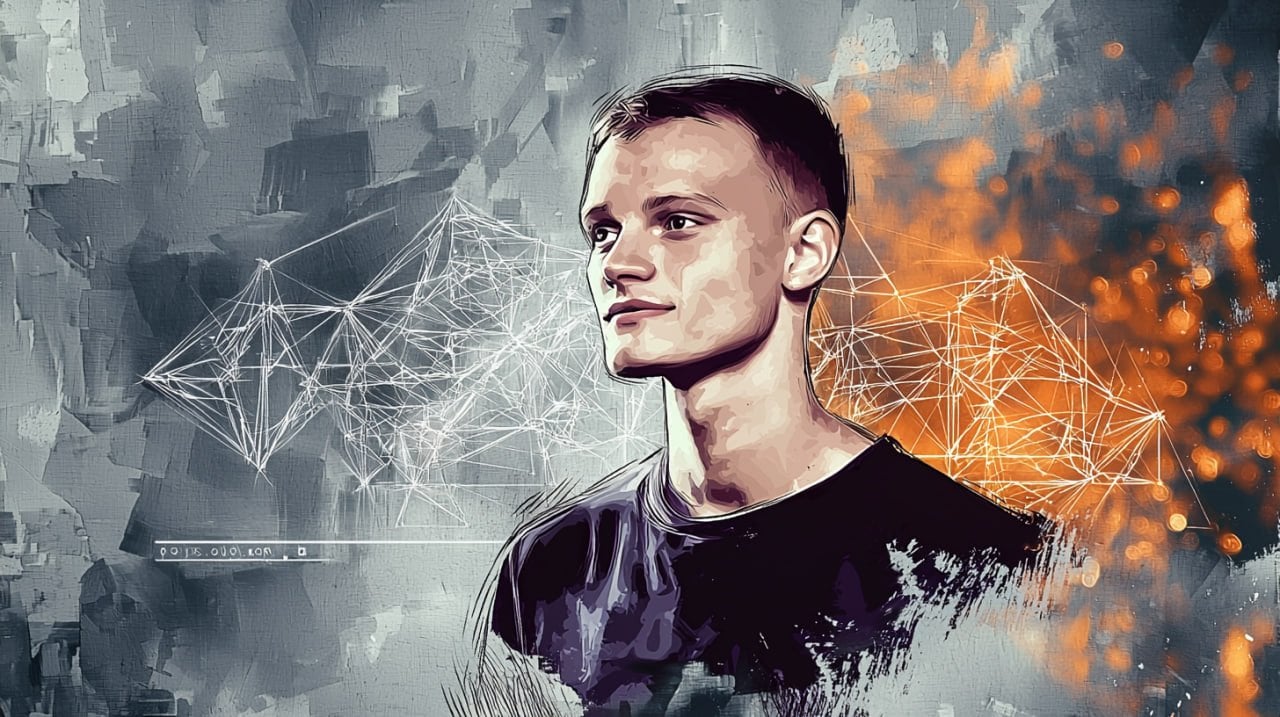
Ethereum co-founder Vitalik Buterin argues that some classes of governance actions should be anonymous, such as temporarily shielding a judge’s identity when a ruling is issued. He also suggests using zero‑knowledge (ZK) proofs to keep procedures verifiable without exposing people.
Buterin’s remarks came after a fire destroyed the home of South Carolina Circuit Court Judge Diane Goodstein on Edisto Island on October 4, 2025. Three people were injured, and one family member was airlifted to safety. Rescuers used kayaks because of the difficult terrain, and the house was largely destroyed.
Judge Goodstein had recently issued several controversial rulings related to election matters, but law enforcement officials urged the public not to draw political conclusions. State Law Enforcement Division (SLED) Chief Mark Keel said the investigation is still ongoing and there is “no evidence to indicate the fire was intentionally set.”
Against that backdrop, Buterin’s point is straightforward: a judge’s job is to decide on the law and facts, not to face public pressure or threats that move from online to real life. In posts on Farcaster, he shared one of his “radical” positions, saying that some governance actions should be anonymous. ZK technology, he argues, can make that workable by letting institutions check the process without revealing the person.
In practical terms, this is “accountability without doxxing.” The system proves cryptographically that the decision was made by an authorized judge and within procedural limits, while the judge’s name stays sealed unless predefined conditions are met, such as during an appeal or by order of an independent body.
These components are already being piloted in e‑voting, digital IDs, and Web3 projects, so applying them to the justice system is a natural next step rather than a leap of faith.
To function, such a system needs concrete building blocks:
- authority credentials presented as a ZK proof;
- scope‑of‑authority constraints encoded in rules and checked automatically;
- audit trails that log each action without identifying the actor;
- delayed de‑anonymization mechanisms triggered collegially under strict criteria.
Threats to judges and public officials have become more common, while privacy tech has matured. Institutions need both protected participants and transparent procedures. That’s where Buterin sees the role of ZK-proofs: not only for private transactions, but also for institutional guarantees where the process remains verifiable even when the decision‑maker’s identity is temporarily hidden.
Even in this case, there are still some “gray areas”. Anonymity can reduce transparency and create risks of collusion. To address this, systems need strong key management, external audits, and clear rules for identity disclosure. That points to hybrid models, a confidential decision phase, verifiable protocols, and narrow, reviewable grounds for de‑anonymization, as the most practical path for courts.