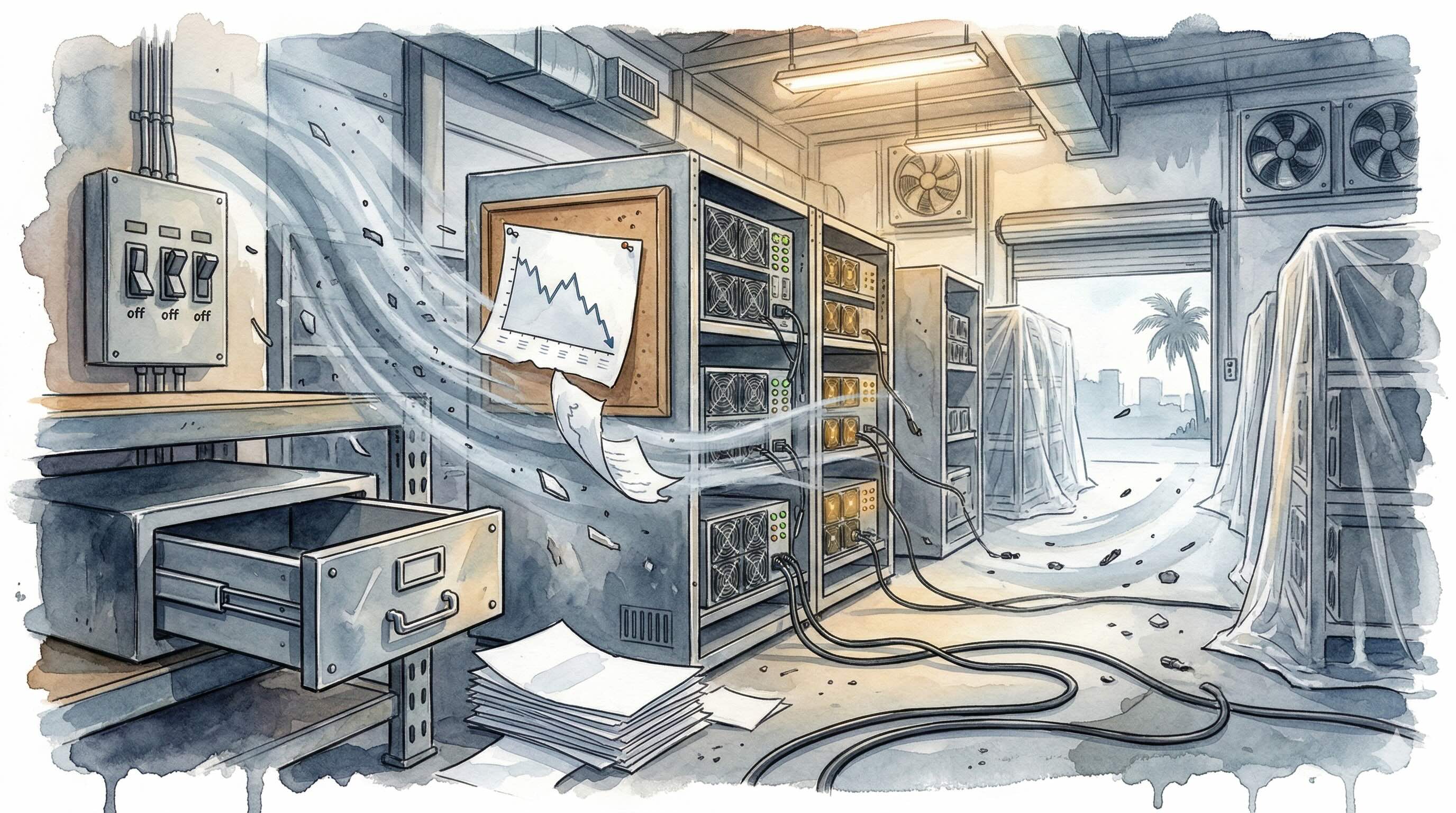
Spot bitcoin ETFs faced near record $3.5B monthly outflows in U.S.

U.S.-listed spot Bitcoin ETFs have shed more than $3.5 billion in November, pacing their worst month since launch, with BlackRock’s IBIT accounting for about $2.2 billion, per industry data.
U.S.-listed Bitcoin exchange-traded funds are on pace for their worst month of outflows since launching in January 2024, with more than $3.5 billion withdrawn so far in November, according to industry data. BlackRock’s iShares Bitcoin Trust (IBIT) accounts for about $2.2 billion of the redemptions.
The current pace is approaching the prior monthly record, when about $3.6 billion exited in February. IBIT, the largest spot Bitcoin ETF by assets, is tracking its weakest month unless flows reverse late in the period.
Outflows have come during Bitcoin’s weakest month since 2022, a year marked by a series of crypto company failures. The funds have become a primary channel for institutions and individuals to access Bitcoin, and flows tend to reinforce price moves.
Citi Research estimates that every $1 billion pulled from spot Bitcoin ETFs corresponds to roughly a 3.4% decline in Bitcoin’s price, a relationship that also works in reverse. Citi’s Alex Saunders has outlined a bear-case year-end target of $82,000 assuming no fresh inflows.
Trading activity picked up late last week. The U.S. spot Bitcoin ETFs recorded one-day turnover of about $11.5 billion on Friday. IBIT represented roughly $8 billion of that and recorded $122 million of outflows that day, based on fund flow tallies.
“The euphoria from earlier this year has been fully exhausted,” noted Nick Ruck, director at LVRG Research, pointing to IBIT’s November redemptions. He added that net selling from the largest product highlights “a meaningful shift in institutional preference away from the category leader.”
“In the first half of the year, spot ETFs were the driving force behind Bitcoin’s record highs, so the reversal of institutional capital flows into continuous outflows has negatively impacted prices,” observed Linh Tran, market analyst at XS.com.
Risk appetite has cooled across assets considered higher beta. U.S. stocks have stumbled in November, and short-term correlation between Bitcoin and large technology shares recently reached a high, based on market measures. “The choppy trends in Bitcoin since the summer have been something we’ve interpreted as a sign of fatigue,” wrote Lori Calvasina, head of U.S. equity strategy research at RBC Capital Markets. “While it’s not clear to us exactly what’s causing Bitcoin to drop, stabilization in this corner of the market would likely help to calm some nerves within U.S. equities as well.”
Spot Bitcoin ETFs have reshaped how capital enters and exits the asset class by offering intraday trading on regulated exchanges, making shifts in sentiment quick to register in flows and prices.
As we covered previously, Bitcoin fell below the ETF cohort’s flow‑weighted average entry level, leaving U.S. spot Bitcoin ETF investors in aggregate unrealized losses based on Glassnode’s net‑inflow cost basis. The drop extended a decline of more than 30% from early‑October record highs, though a large block of ETF buys between $40,000 and $70,000 remained in profit.
Earlier, corporate and ETF demand accelerated through Q3 2025: 172 public firms held over 1 million BTC; issuance fell to roughly 450 BTC/day after April 2024; businesses bought around 1,700–1,800 BTC daily; one October week saw about $3.2 billion of ETF inflows.
The material on GNcrypto is intended solely for informational use and must not be regarded as financial advice. We make every effort to keep the content accurate and current, but we cannot warrant its precision, completeness, or reliability. GNcrypto does not take responsibility for any mistakes, omissions, or financial losses resulting from reliance on this information. Any actions you take based on this content are done at your own risk. Always conduct independent research and seek guidance from a qualified specialist. For further details, please review our Terms, Privacy Policy and Disclaimers.
Articles by this author