Money-transmitter reform bill targets protections for Bitcoin open-source builders
A bipartisan pair of U.S. senators has introduced draft legislation to clarify that open-source Bitcoin developers and self-custody wallet creators are not “money transmitters,” seeking to wall off software contributors from Bank Secrecy Act obligations, while the White House is separately reviewing a possible pardon for Samourai Wallet co-founder Keonne Rodriguez after his five-year sentence.
The bill, unveiled on January 13, aims to define the line between publishing code and providing custodial financial services, an issue that has vexed courts and agencies in recent enforcement cycles. The text, according to a summary published by Coinpaper, says that merely developing or distributing non-custodial wallet software, running a Bitcoin node, or validating transactions would not, on its own, constitute money transmission – thereby limiting developers’ exposure to registration and KYC/AML requirements intended for intermediaries that take possession of customer funds.
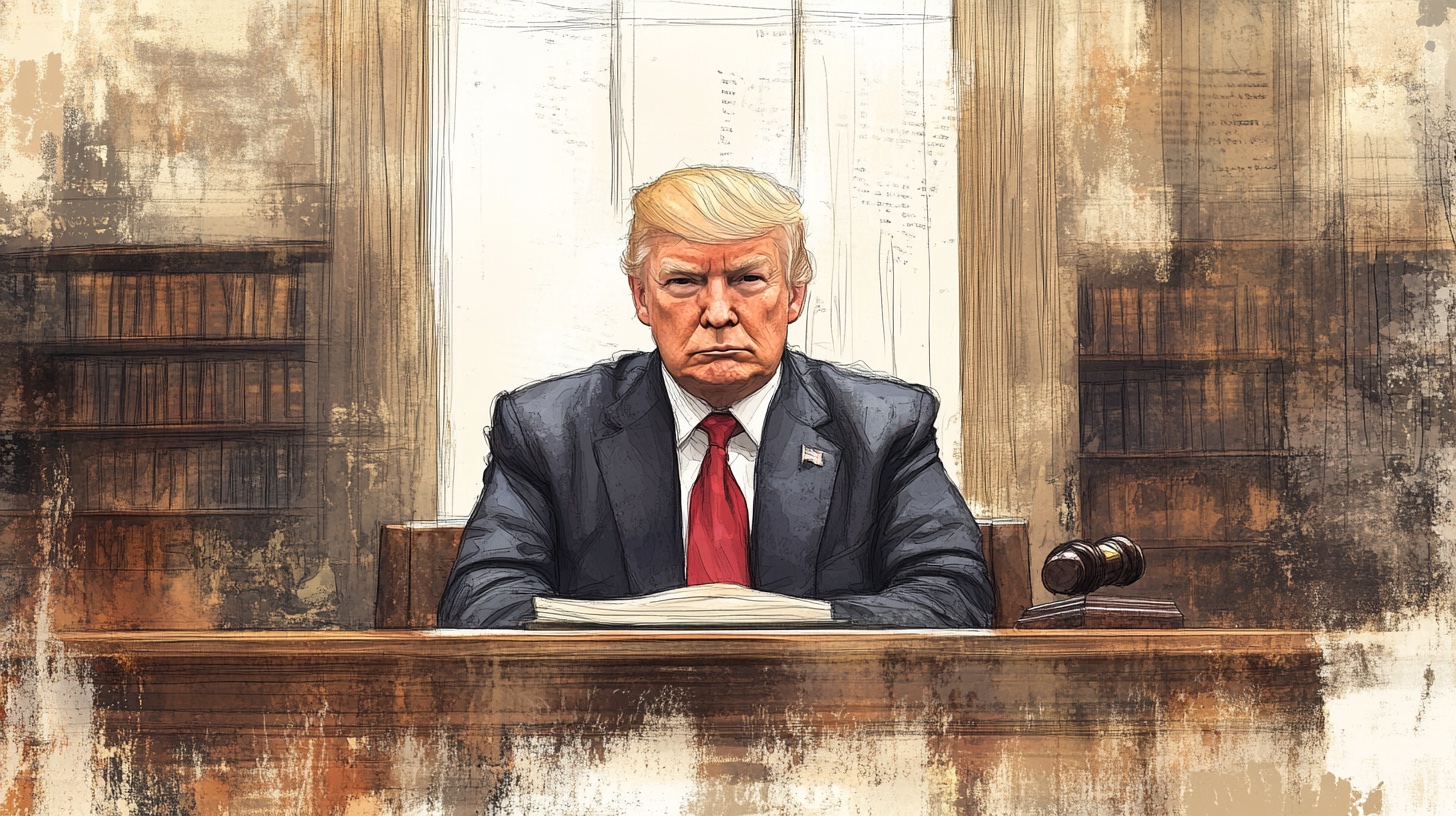
In parallel, attention turned to the executive branch after President Donald Trump told reporters he had asked Attorney General Pam Bondi to review a possible pardon for Rodriguez, who, along with former CTO William Hill, was convicted under the prior administration for conspiracy to commit money laundering and operating an unlicensed money-transmitting business tied to Samourai’s privacy-focused wallet. Trump said he would “take a look,” without giving a decision timeline. Rodriguez has said he is due to report to federal prison at FPC Morgantown.
Supporters of the Senate bill argue that drawing a bright line around non-custodial activity is essential for legal certainty across Bitcoin infrastructure. The draft would help distinguish between developers who publish code or operate permissionless network components and businesses that actually intermediate customer funds – entities already covered by existing federal and state money-transmitter regimes. By narrowing the definition, sponsors seek to avoid chilling effects on open-source contributors and node operators who do not hold assets on behalf of others.
The Samourai case underscores the policy gap the bill targets. Prosecutors alleged the service’s mixing feature facilitated laundering of criminal proceeds, while many privacy advocates have maintained that building or sharing non-custodial tools should not be equated with running a custodial money service. The proposed legislative language would not legalize money laundering or exempt custodial intermediaries; rather, it would clarify that writing and distributing non-custodial software and participating in decentralized transaction validation are not, by themselves, money-transmission activities.
Trump’s review of clemency options follows his earlier decisions in other high-profile crypto cases and arrives amid renewed debate over how far financial-crime statutes should reach into code publication and user-controlled wallets. Should the Senate draft advance, Congress – not courts – would set the operative definitions for what it means to “transmit money” in a Bitcoin context, establishing a national standard for developers, node operators, and wallet publishers while leaving enforcement squarely focused on custodial businesses and entities that actually move customer funds.
The material on GNcrypto is intended solely for informational use and must not be regarded as financial advice. We make every effort to keep the content accurate and current, but we cannot warrant its precision, completeness, or reliability. GNcrypto does not take responsibility for any mistakes, omissions, or financial losses resulting from reliance on this information. Any actions you take based on this content are done at your own risk. Always conduct independent research and seek guidance from a qualified specialist. For further details, please review our Terms, Privacy Policy and Disclaimers.
Articles by this author