US Sanctions Iranian Maritime Firms Over Bitcoin Use
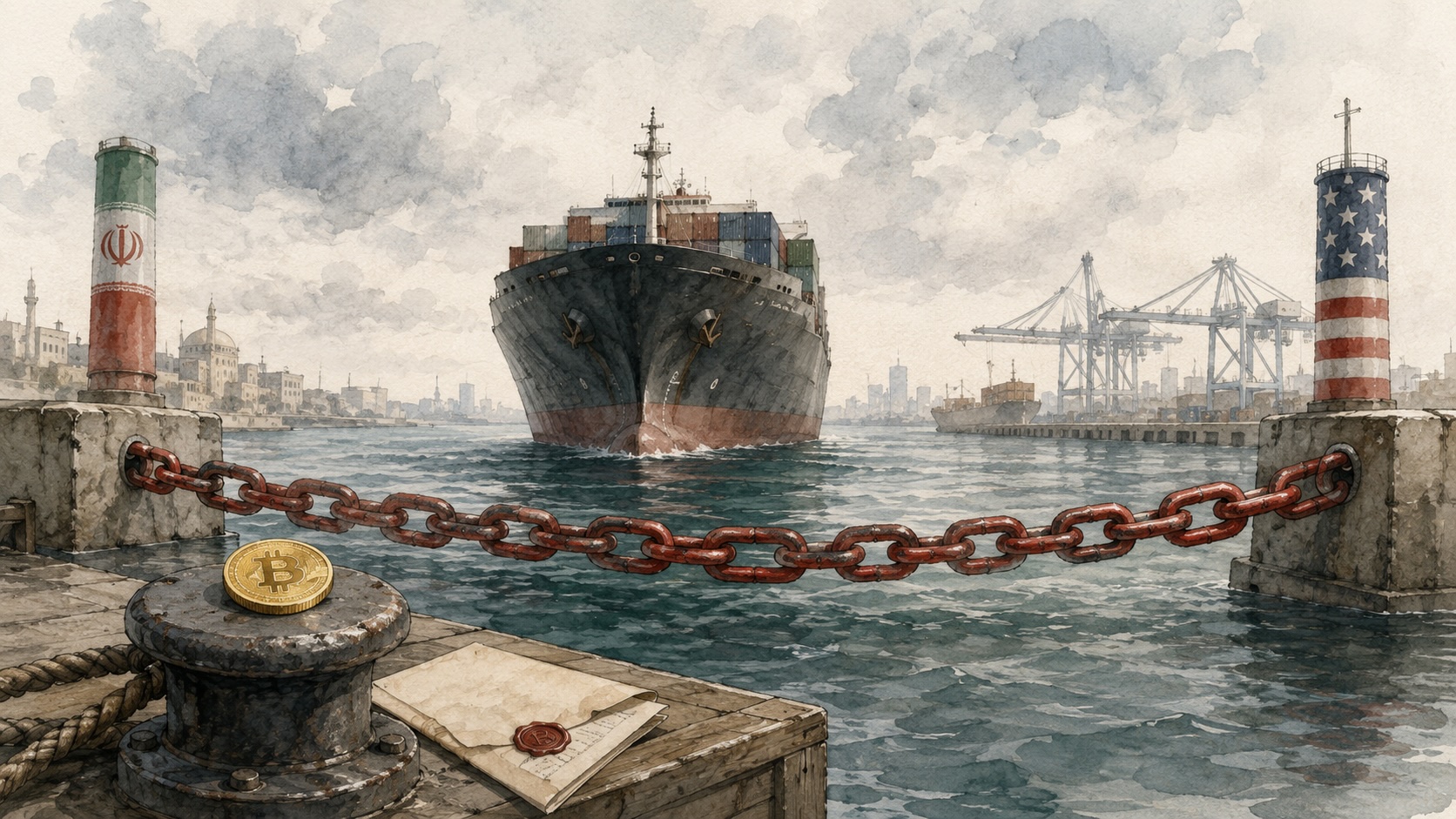
Treasury’s OFAC on Wednesday designated two Iranian maritime firms, including HormuzSafe, alleging an IRGC-backed insurance network and that HormuzSafe accepted Bitcoin to evade sanctions.
On Wednesday, the U.S. Treasury’s Office of Foreign Assets Control designated Persian Gulf Marine Insurance Company and HormuzSafe Marine Services Authority. OFAC stated the firms operated in Iran’s financial sector and were part of an insurance network backed by the Islamic Revolutionary Guard Corps that required commercial vessels to buy approved coverage before transiting the Strait of Hormuz. The designations freeze any U.S. assets of the named entities and generally prohibit U.S. persons from dealing with them.
OFAC alleged HormuzSafe accepted Bitcoin and other cryptocurrencies to evade Western sanctions. Screenshots circulated in May showed a HormuzSafe website offering “digital insurance” for maritime cargo with policies payable in Bitcoin; the site later became inaccessible. Iranian state-linked outlets reported the proposed platform could issue marine insurance policies and certificates of financial responsibility and estimated potential revenues exceeding $10 billion.
Alongside the two firms, OFAC identified eight vessels as blocked property and designated eight companies linked to what it described as Iran’s shadow fleet. The Treasury noted those steps are intended to restrict efforts to disguise vessel ownership and to limit revenue tied to maritime activity.
U.S. authorities have reported Iran used a mix of currencies and digital assets for maritime payments, including Chinese yuan, the stablecoin Tether USDt and Bitcoin. Officials stated there is no on-chain evidence that Bitcoin payments linked to the proposed platform were completed. In April, U.S. authorities froze $344 million in USDT that they connected to Iranian activity.
The Strait of Hormuz carries about one-fifth of global oil trade. OFAC said the network generated revenue for the IRGC while increasing Tehran’s leverage over shipping through the strait.
Treasury Secretary Scott Bessent stated, “The United States will not allow Iran to hold global commerce hostage.”
The Treasury did not provide public evidence of specific Bitcoin transactions tied to HormuzSafe but cited the acceptance of cryptocurrencies as part of the alleged evasion strategy.
The material on GNcrypto is intended solely for informational use and must not be regarded as financial advice. We make every effort to keep the content accurate and current, but we cannot warrant its precision, completeness, or reliability. GNcrypto does not take responsibility for any mistakes, omissions, or financial losses resulting from reliance on this information. Any actions you take based on this content are done at your own risk. Always conduct independent research and seek guidance from a qualified specialist. For further details, please review our Terms, Privacy Policy and Disclaimers.
Articles by this author