US regulators probe crypto-linked stock trading
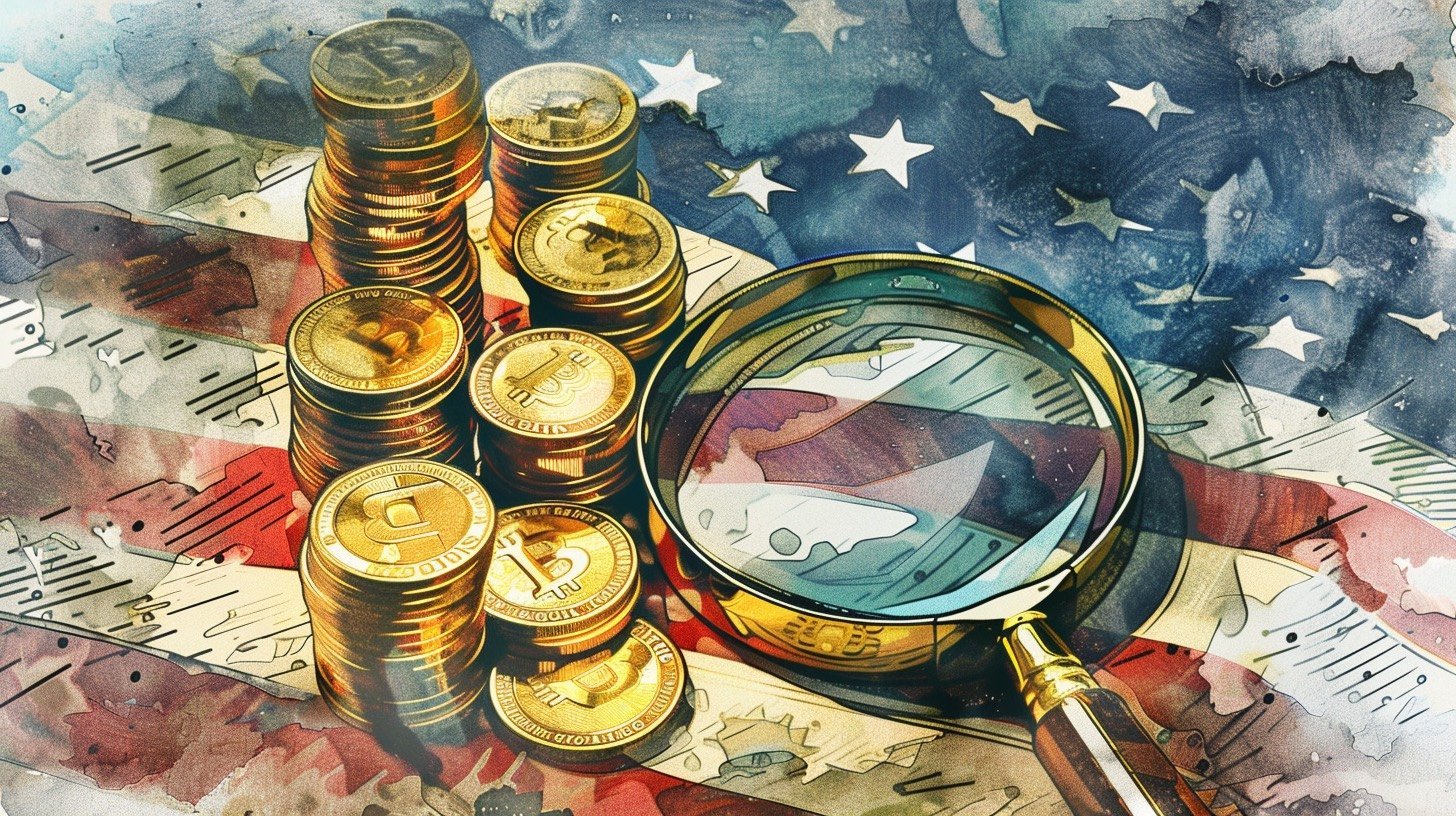
US regulators have launched inquiries into suspicious stock activity at companies adopting crypto as their treasury strategy.
According to the Wall Street Journal, citing people familiar with the matter, the Securities and Exchange Commission (SEC) and the Financial Industry Regulatory Authority (FINRA) contacted several companies with crypto-treasury strategies in 2025, requesting information on trading patterns. The probe focuses on firms whose shares experienced sharp rallies and unusually high trading activity immediately before they announced plans to invest in cryptocurrency.
Officials are examining whether communications with bankers, advisers, or potential investors led to market-moving information being shared ahead of formal disclosures. Companies received warnings about potential Regulation Fair Disclosure violations, which prohibit giving select analysts or investors early access to material information.
Investigators requested detailed trading records around announcement dates, including emails, phone records, and meeting notes related to cryptocurrency treasury decisions. According to the WSJ, the inquiry letters - standard in insider trading probes - targeted firms whose stocks showed unusual price jumps or trading patterns prior to public disclosures.
The probe comes as corporate digital asset holdings are expanding rapidly. While dozens of publicly traded companies have built cryptocurrency reserves, most initially focused on Bitcoin, but the approach is now broadening to include alternative cryptocurrencies. According to CoinGecko, 108 companies have adopted corporate Bitcoin treasury strategies, with major holders including MicroStrategy, MARA Holdings, and Trump Media and Technology Group.
Meanwhile, the number of companies holding assets like Ethereum (ETH) and Solana (SOL) on their balance sheets is growing, with 12 companies maintaining Ethereum treasuries and 9 holding Solana reserves. This shift toward diversification often aims to capture benefits like crypto staking rewards or to gain strategic positions within specific decentralized finance (DeFi) networks. This expansion has made the digital asset landscape much more complex, giving regulators like the SEC a broader and more intricate market to monitor for potential violations.

Author
Web3 writer and crypto HODLer with a keen interest in market trends and recent technologies.


Recommended