Crypto ATM scams surged as U.S. losses hit record $11.4B
U.S. crypto fraud losses rose 22% to $11.366B in 2025, the FBI reports; Americans 60 and older lost $4.432B, filed the most complaints and led ATM scam losses.
U.S. crypto fraud losses reached a record $11.366 billion in 2025, a 22% rise from 2024, the FBI reported in its latest Internet Crime Complaint Center (IC3) annual report. The bureau logged 181,565 crypto-related complaints, with an average reported loss of $62,604. Across all categories, cyber-enabled crimes cost Americans nearly $21 billion last year, and more than 22,000 complaints referenced artificial intelligence with adjusted losses above $893 million.
Investment schemes remained the largest crypto fraud type, totaling $7.228 billion in losses, up 25% from 2024 alongside a 48% increase in complaints, according to IC3. Recovery schemes-where impostors offer to retrieve stolen funds-added about $1.4 billion in crypto losses and often targeted earlier victims.
People 60 and older were hit hardest. This group filed 44,555 crypto-related complaints in 2025 and lost $4.432 billion, the most of any age bracket. Their losses were nearly double the $2.139 billion reported by victims in their 50s and up from about $2.8 billion in 2024.
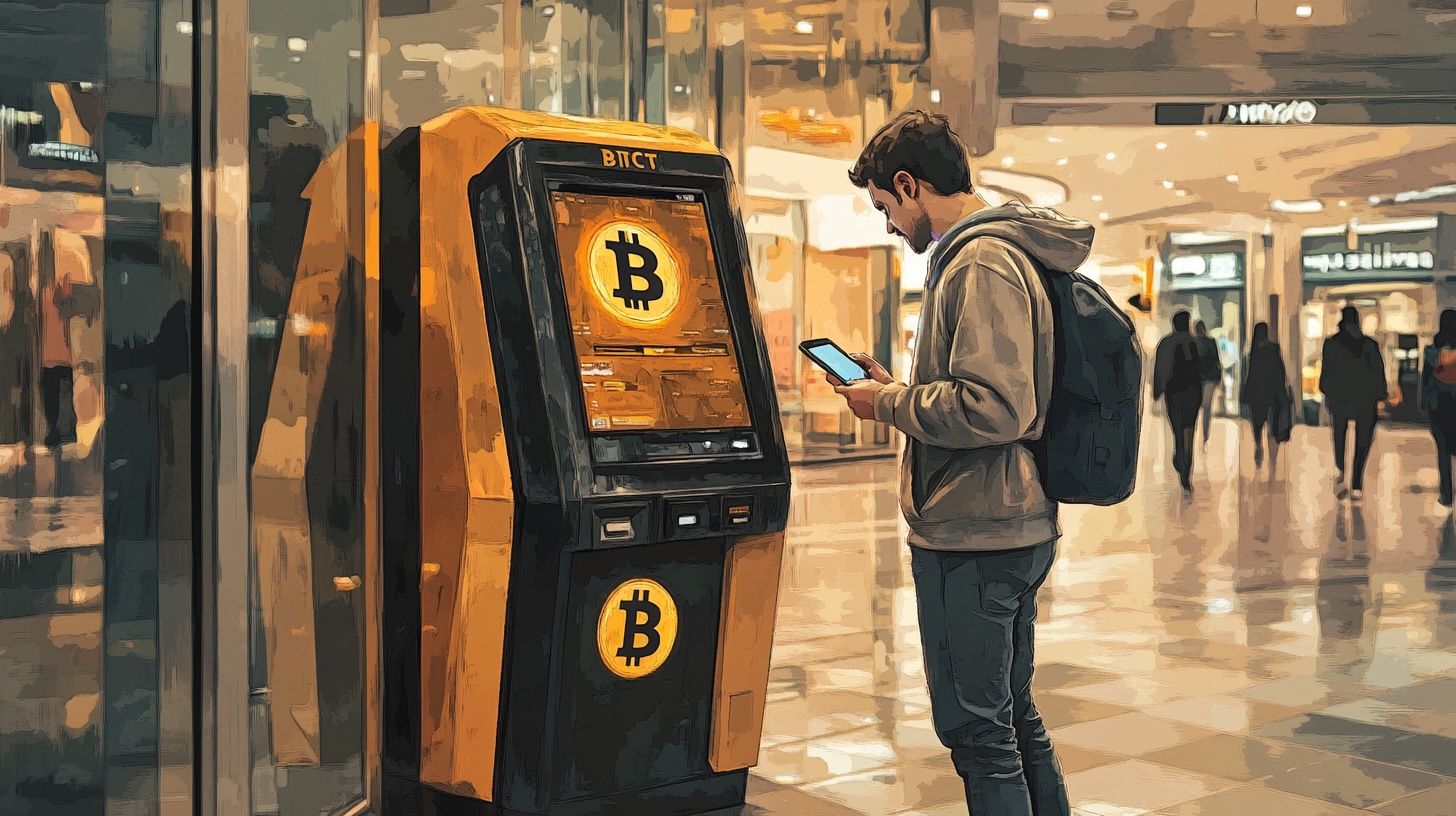
Fraud involving crypto ATMs and kiosks continued to climb. IC3 counted 13,460 ATM-related complaints in 2025 that generated $389 million in losses, a 58% rise in losses and a 23% increase in complaints from 2024. Older Americans reported $257.4 million in ATM losses across 6,188 complaints. The report notes that scammers use QR codes and in-person kiosks to pressure victims into immediate transfers.
Losses were concentrated in several large states. California recorded $2.099 billion in crypto-related losses, followed by Texas at $1.016 billion, Florida at $914.5 million, and New York at $593.4 million. Oregon ranked fifth by losses at $545.9 million despite placing 24th by complaint count, pointing to larger average losses per case.
The FBI highlighted “Operation Level Up,” a campaign focused on disrupting crypto investment scams. IC3 said the effort has notified more than 8,000 potential victims and helped prevent over $500 million in losses to date, including $225.9 million in 2025. “The FBI remains fully committed to ensuring Americans’ safety online,” said Jose Perez, operations director for the Bureau’s Criminal and Cyber Branch, in the report.
Regulatory attention on crypto ATM operators intensified in several states. West Virginia enacted a law placing kiosks under money transmission licensing. Lawmakers in Minnesota weighed a ban on the machines. In Connecticut, regulators suspended Bitcoin Depot’s state operating license, citing overcharges and incomplete refunds to fraud victims; the company’s CEO later resigned. In February, Bitcoin Depot added ID checks to spot and prevent scams at crypto ATMs.
Outside experts noted that official figures may undercount the problem. Ari Redbord, global head of policy at blockchain intelligence firm TRM Labs, called the FBI’s $11.3 billion total “an important benchmark” that covers only part of the victim pool. He estimated global crypto fraud losses near $35 billion and described the networks behind these schemes as “highly organized, global operations that are getting more sophisticated, including with AI.”
Security executives flagged the risk at the point of transfer. “By the time a victim is at a kiosk, they are already deep in the scammer’s trance,” observed Stefan Muehlbauer, head of U.S. government affairs at CertiK. He urged a defense-in-depth approach that combines detection tools, recovery mechanisms, and public education, warning that criminals are adopting advanced social engineering, including deepfakes.
The material on GNcrypto is intended solely for informational use and must not be regarded as financial advice. We make every effort to keep the content accurate and current, but we cannot warrant its precision, completeness, or reliability. GNcrypto does not take responsibility for any mistakes, omissions, or financial losses resulting from reliance on this information. Any actions you take based on this content are done at your own risk. Always conduct independent research and seek guidance from a qualified specialist. For further details, please review our Terms, Privacy Policy and Disclaimers.
Articles by this author