UK Lords review stablecoin oversight as witnesses voice doubts
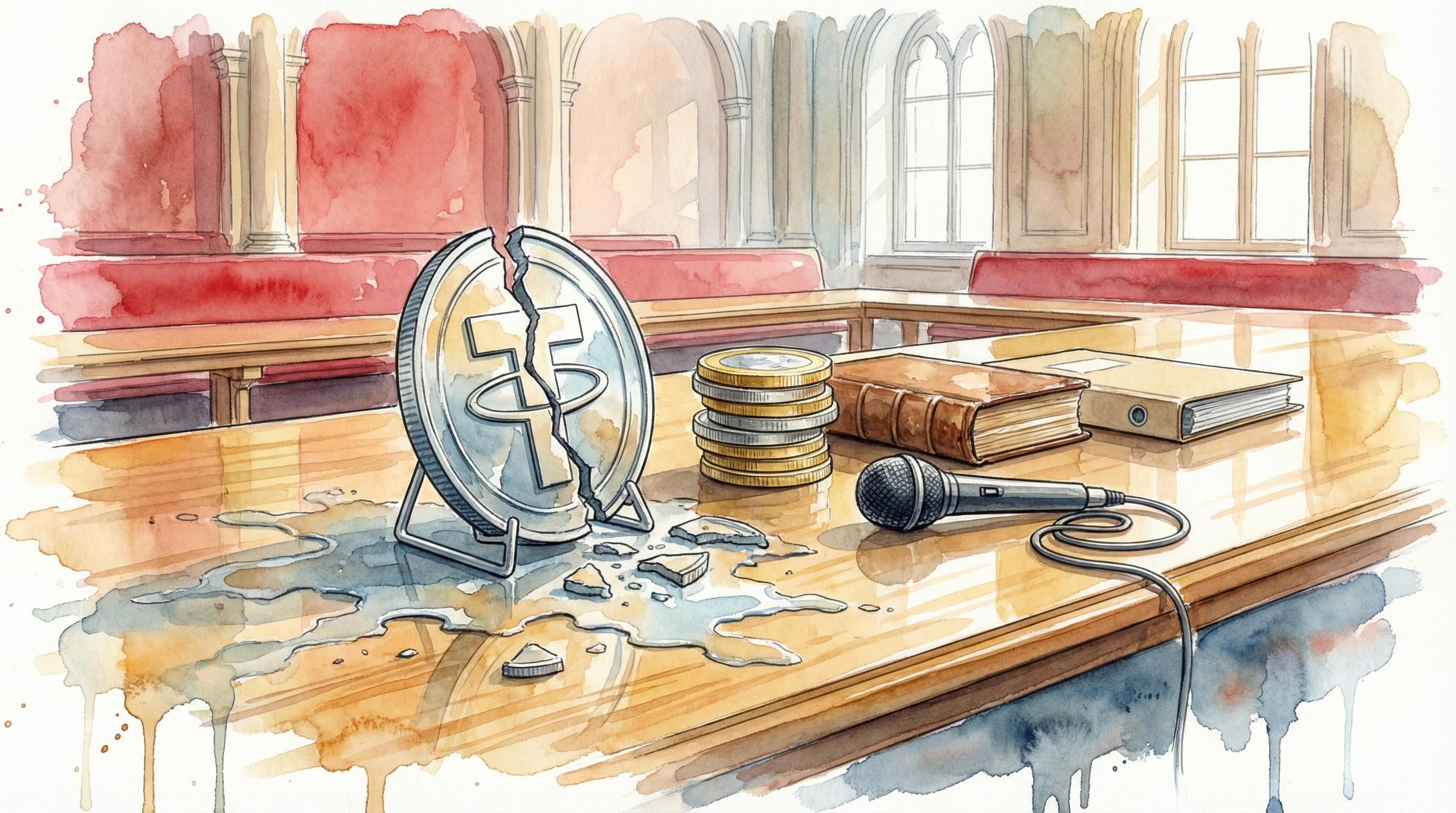
A House of Lords panel examined how to regulate stablecoins, hearing claims they serve mainly as crypto on- and off-ramps while probing risks, payments use and links to US legislation.
The UK House of Lords’ Financial Services Regulation Committee held a public hearing on Wednesday on stablecoin regulation, taking evidence on how the tokens should be supervised in the UK and what their growth could mean for payments, banking and financial stability.
Lawmakers asked about competition with banks, cross-border transfers, illicit finance, and how US proposals such as the Guiding and Establishing National Innovation for US Stablecoins (GENIUS) Act might affect global markets.
Economics commentator Chris Giles told peers stablecoins have not gained traction in the UK because there is no clear legal basis or regulatory framework, making it risky for households to treat them as money. With a robust regime, some transactions could become “more efficient, cheaper, [and] potentially faster,” especially cross-border payments and large corporate transfers.
On domestic use, Giles was skeptical that a sterling stablecoin would disrupt banks given existing instant, low-cost payment options. He described current use as mainly “on- and off-ramps” to crypto for an “intrinsically worthless asset” and “not massively interesting or going to take over the world.”
Asked whether stablecoin holders should earn interest, Giles argued that if the instruments are treated as a payments technology, “there’s no need to pay interest.” He viewed concerns about deposit flight as limited, noting that interest-bearing current accounts already exist and have not “taken over the whole of our financial system.”
Giles welcomed the Bank of England’s plan to regulate stablecoins “like money,” including strict backing requirements, resolution plans and an ultimate liquidity backstop to handle “a very rapid run.” He also cautioned that stablecoins can be attractive for illicit use, calling them “your new suitcases of cash,” and urged stronger Know Your Customer and Anti-Money Laundering checks and international oversight of exchanges if use expands beyond a niche.
Arthur E. Wilmarth Jr., a US law professor, told the committee he does not view stablecoins as “a natural component of the financial system,” suggesting tokenized bank deposits could provide similar benefits with stronger safeguards. He criticized the GENIUS Act as “terrible” and a “disastrous mistake” for allowing non-banks to issue dollar-denominated stablecoins.
Wilmarth described stablecoins issued outside the banking system as “regulatory arbitrage” that lets lightly supervised firms enter “the money business,” undermining prudential rules developed “over centuries within the banking system.” He had “a hard time agreeing with anything in the bill,” and drew a contrast with the approach being developed by the Bank of England.
According to our earlier report, the UK Advertising Standards Authority banned several Coinbase ads for trivializing risks, including a music video on Britain’s economic decline and three outdoor posters in the Underground and major transit hubs referencing housing shortages, rising food prices, and wage stagnation, with the slogan “If everything’s fine, change nothing” next to the Coinbase logo. The regulator said humor could mislead by implying crypto is a simple solution and noted missing mandatory risk warnings required by UK rules on volatility and the likelihood of losses.
The material on GNcrypto is intended solely for informational use and must not be regarded as financial advice. We make every effort to keep the content accurate and current, but we cannot warrant its precision, completeness, or reliability. GNcrypto does not take responsibility for any mistakes, omissions, or financial losses resulting from reliance on this information. Any actions you take based on this content are done at your own risk. Always conduct independent research and seek guidance from a qualified specialist. For further details, please review our Terms, Privacy Policy and Disclaimers.
Articles by this author