Trust Wallet adds address poisoning alerts on 32 EVM chains
Mobile app feature scans destination addresses on 32 EVM chains and issues real-time warnings, using HashDit and Binance Security data to flag lookalike wallets before users approve transactions.
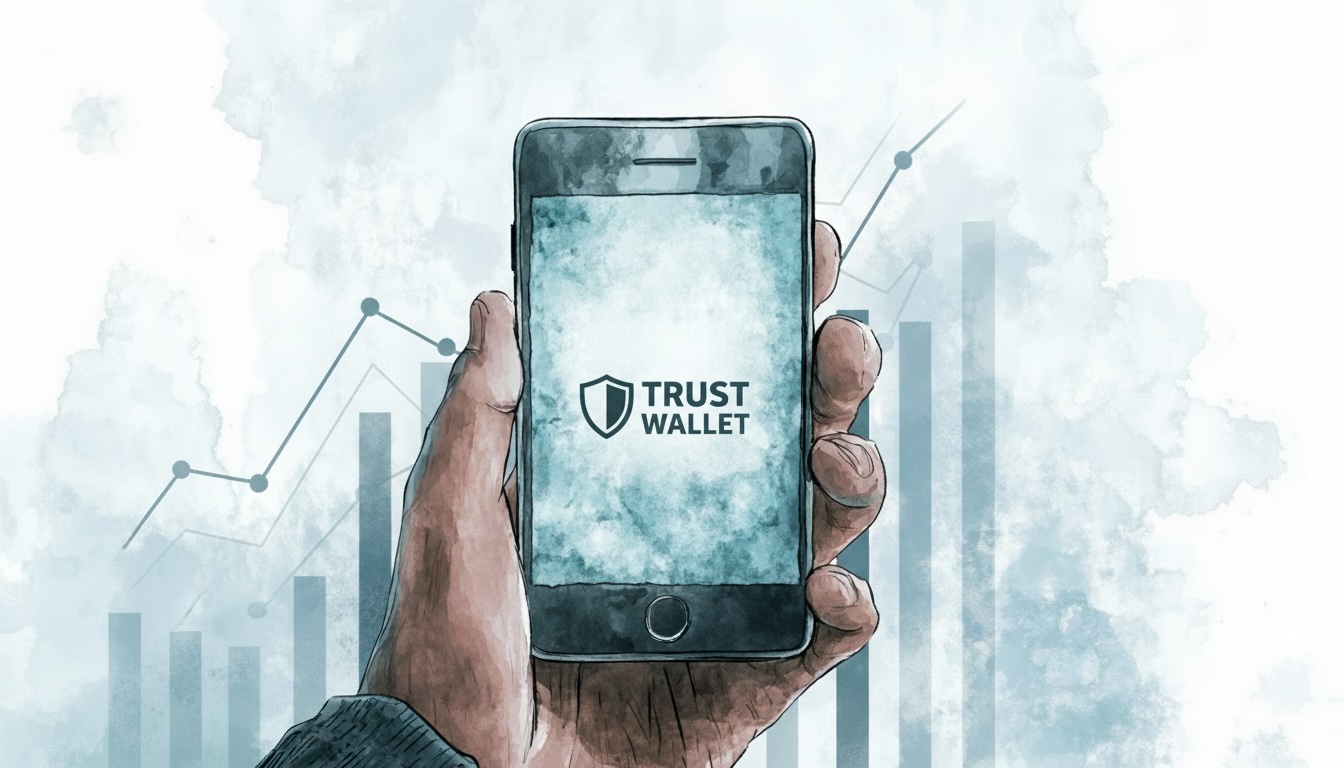
Trust Wallet has launched Address Poisoning Protection on its mobile app across 32 Ethereum Virtual Machine chains, aiming to stop users from sending funds to lookalike wallet addresses. The tool runs automatic checks as a user prepares a transfer and issues real-time alerts before a transaction is approved. It draws on intelligence from HashDit and Binance Security to identify known scam and spoofed destinations.
The feature compares the intended address against recent activity and shows a side-by-side view highlighting character differences. It intervenes when a user copies or enters a destination, providing an early warning before the full transaction review. Support for more chains is planned.
Though crypto hack losses fell 69% in February to $26.5 million, risks remain high. Chainalysis estimates that $17 billion was lost to scams in 2025, with AI-enabled impersonation contributing to the trend. Address poisoning schemes add to those losses by tricking users during routine copying and pasting of wallet addresses.
“The threat is designed to be invisible: a handful of characters buried in the middle of a long string, easy to miss and expensive to ignore,” Trust Wallet CEO Felix Fan noted in a statement. “Address Poisoning Protection is our response to that reality: automatic, real-time alerts that give users the information they need before they act.”
Address poisoning has become more common as attackers exploit how users rely on long hexadecimal strings and transaction histories. Security firm Cyvers has reported detecting more than 1 million address-poisoning preparations per day on Ethereum. Trust Wallet estimates roughly 34,000 attacks occur each hour, targeting about 17 million potential victims, according to a company spokesperson.
Other providers have added safeguards to cut down on spoofing and user error. Ledger’s app offers clear signing to display full transaction details and a whitelisting option for trusted addresses. Smart account platform Safe has introduced protections aimed at reducing address-poisoning risk.
Trust Wallet positions the new alerts as a complement to its Security Scanner, introduced in 2023, which evaluates entire transactions for phishing contracts, malicious decentralized apps, and risky token approvals. Address Poisoning Protection operates earlier in the process by checking destination entries before confirmation.
The update follows a security incident involving Trust Wallet’s Chrome extension in late December. The company described it as a supply chain compromise and pledged to reimburse users about $7M after the hack. Binance acquired Trust Wallet in July 2018. The wallet continues to operate independently.
The material on GNcrypto is intended solely for informational use and must not be regarded as financial advice. We make every effort to keep the content accurate and current, but we cannot warrant its precision, completeness, or reliability. GNcrypto does not take responsibility for any mistakes, omissions, or financial losses resulting from reliance on this information. Any actions you take based on this content are done at your own risk. Always conduct independent research and seek guidance from a qualified specialist. For further details, please review our Terms, Privacy Policy and Disclaimers.
Articles by this author