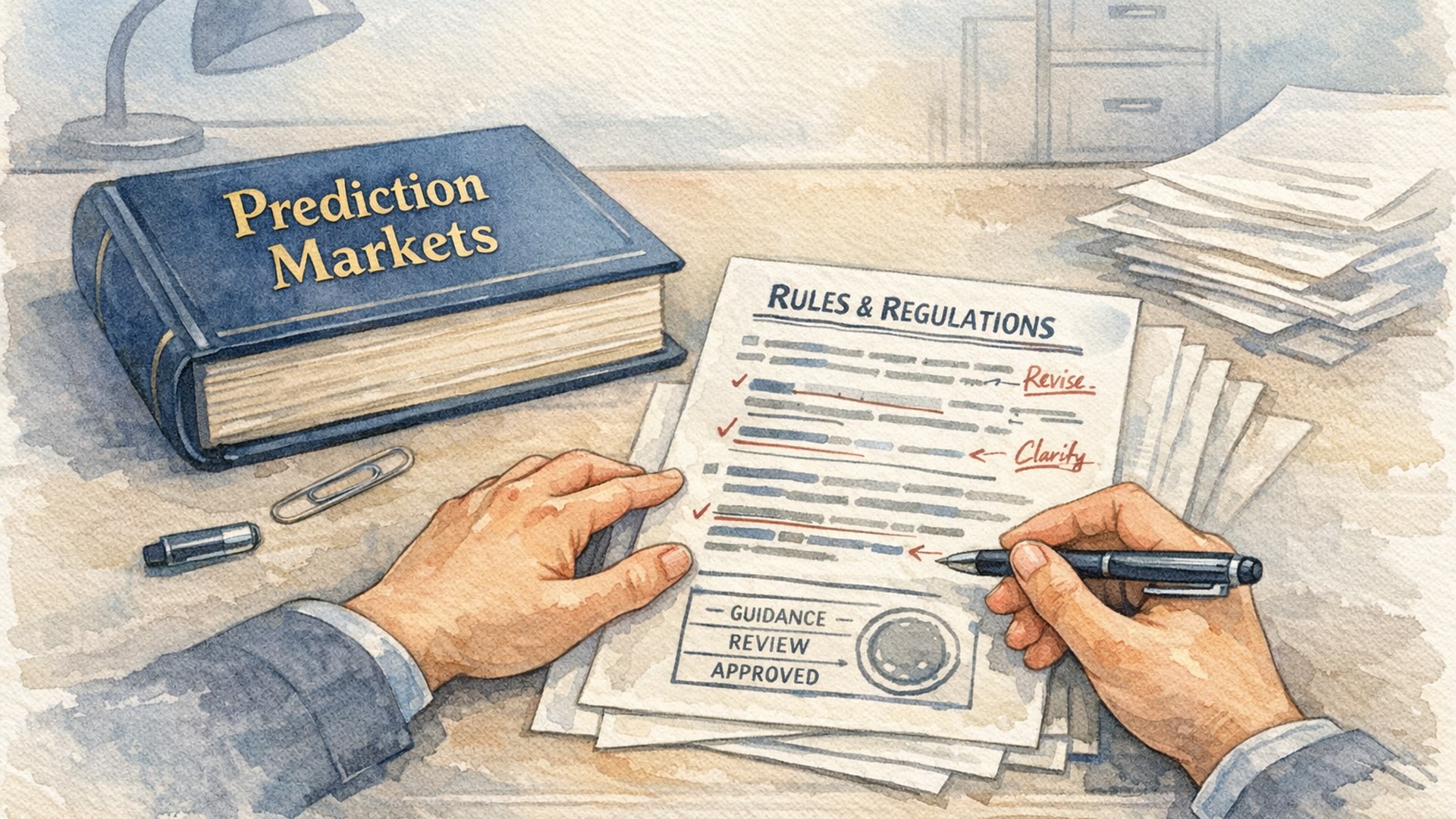
Majority Leader sees Clarity Act slip to April as Senate backs CBDC ban
John Thune expects the Clarity Act to miss a Banking Committee vote until April, while the Senate passed a housing bill with a Federal Reserve CBDC ban that now heads to the House.
Senate Majority Leader John Thune indicated the cryptocurrency market structure bill known as the Clarity Act is unlikely to clear the Senate Banking Committee before April, even as the chamber approved a housing package that bars the Federal Reserve from issuing a central bank digital currency and sent it to the House.
He said he hopes the Banking Committee will advance the market structure bill soon. Still, he does not expect it to clear the panel before April.
The Clarity Act would set a federal framework for digital assets, defining oversight of crypto markets and participants. The House has advanced a version, and talks continue in the Senate.
Thune indicated the Senate is set to vote next week on President Donald Trump’s SAVE America Act, which would require documentary proof of citizenship to register to vote. Trump has stated he will not sign other legislation until that measure is enacted.
The debate over the Clarity Act has focused in part on whether companies may offer yield on stablecoins. Banks contend such products could pull deposits from regulated institutions if offered without comparable safeguards. The White House has pushed back. Patrick Witt, executive director of the President’s Council of Advisors for Digital Assets, argued earlier this week that “compliant stablecoins could attract new international capital into the U.S. banking system rather than drain deposits.” Eric Trump accused big banks of blocking stablecoin yields, claiming they are trying to protect their deposit bases.
Analysts at JPMorgan have characterized potential passage in the second half of the year as a “positive catalyst” for the industry.
Trump voiced support for the Clarity Act earlier this month, calling it the “next step to finish the job” after the GENIUS Act, which he described as the country’s first step to establish a leadership position in digital assets.
Banking Committee negotiations continue over how to divide oversight of spot markets for digital assets among federal regulators and which compliance standards should apply to stablecoin issuers, exchanges and custodians. Lawmakers in both parties point to the need to clarify jurisdiction and registration pathways, set baseline consumer protections, and define rules for custody, disclosures and conflicts of interest.
If the committee advances the bill after April, Senate leaders would need to schedule floor consideration. Any final package would then have to be reconciled with the House version before it could be sent to the president.
The material on GNcrypto is intended solely for informational use and must not be regarded as financial advice. We make every effort to keep the content accurate and current, but we cannot warrant its precision, completeness, or reliability. GNcrypto does not take responsibility for any mistakes, omissions, or financial losses resulting from reliance on this information. Any actions you take based on this content are done at your own risk. Always conduct independent research and seek guidance from a qualified specialist. For further details, please review our Terms, Privacy Policy and Disclaimers.
Articles by this author