Hayes says Tether is executing a huge rate trade as critics debate reserves

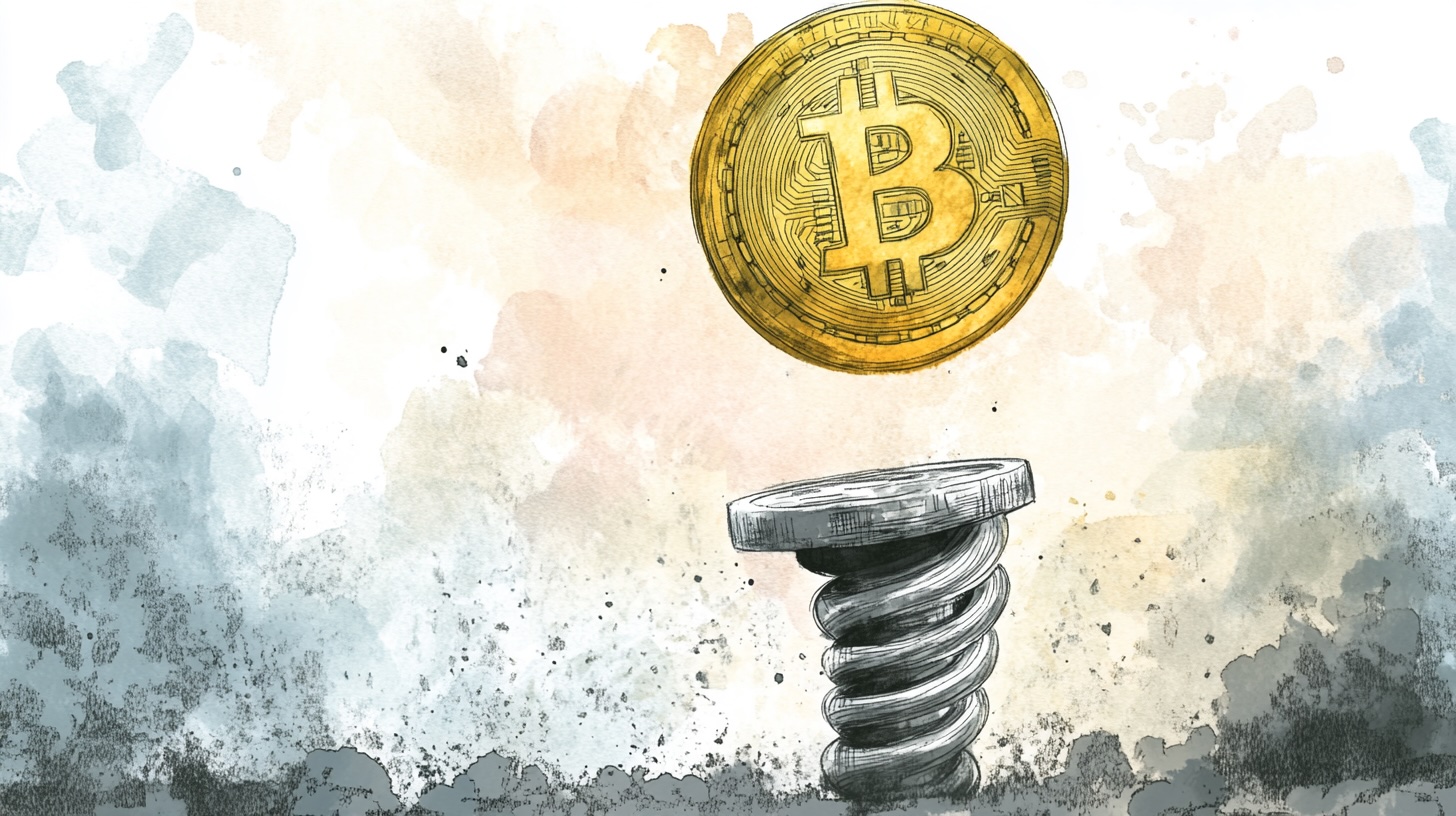
Arthur Hayes says Tether is in the “early innings of running a massive interest rate trade,” arguing that its growing allocations to Bitcoin and gold could strain the equity buffer behind USDT in a downturn, while a former Citi crypto research head counters that the company is far more profitable and better-capitalized than on-chain critics assume.
Hayes raised concerns on X that Tether’s reserve mix is shifting away from short-term Treasuries toward more volatile assets such as Bitcoin and gold, warning that a sharp price drop could pressure the backing of the $181 billion stablecoin, prompting an immediate response from analyst Joseph, who argued that Tether’s broader balance sheet, Treasury income and corporate assets leave it with tens of billions of dollars in equity and a low probability of failure.
In his post, Hayes described Tether’s strategy as an implicit macro bet, saying “The Tether folks are in the early innings of running a massive interest rate trade,” a reference to the company reallocating some reserves in anticipation of lower Federal Reserve policy rates and declining yields on U.S. government debt.
Recent reserve attestations show that Tether’s asset pool now includes a large block of interest-bearing U.S. Treasuries, plus roughly $13 billion in precious metals and close to $10 billion in Bitcoin, alongside more than $14 billion in secured loans and other investments. Hayes’ concern is that, in a scenario where Bitcoin and gold fall together, the mark-to-market value of those holdings could shrink at the same time as USDT redemptions rise, narrowing the cushion between liabilities and assets and reviving long-running questions about the stablecoin’s resilience during market stress.
Credit analysts have also highlighted that profile. S&P Global Ratings recently assigned Tether a “weak” stability score, citing its exposure to non-cash instruments and volatile assets in its reserve mix and warning that such structures can increase the risk of undercollateralization when liquidity conditions deteriorate.
Joseph, a former head of digital-asset research at Citi, pushed back on the narrative that Tether is inherently fragile. In a widely shared reply, he wrote that “the numbers they disclose are under a ‘matching’ philosophy; they’re just showing you how their reserves are backed,” arguing that public attestations only cover the assets earmarked for USDT, not the company’s full corporate balance sheet.
According to his analysis, Tether holds a separate pool of equity investments, mining operations and additional Bitcoin reserves outside the USDT backing disclosures, which he says materially improves the group’s overall capital position. He estimates that the company controls about $120 billion in interest-earning Treasuries generating roughly $10 billion in annual profit since 2023, while operating costs remain comparatively small, allowing what he describes as rapid capital accumulation.
On that basis, Joseph suggested that Tether’s equity value could range between $50 billion and $100 billion and argued that even if the reserve portfolio were to incur losses, the firm could plug any gap by selling corporate equity or other assets, making outright collapse unlikely in his view.
He also compared Tether to traditional banks, noting that many deposit-taking institutions routinely hold only a small share of their liabilities in liquid form and rely on central bank backstops, whereas stablecoin issuers operate without such lender-of-last-resort support.
Hayes’ critique comes after a prolonged period in which higher U.S. interest rates have turned Tether’s reserve portfolio into a major profit engine, thanks to returns on T-bills and secured funding instruments. With markets now pricing in multiple Fed rate cuts over the coming year, reallocating some of that Treasury exposure into alternative assets could be seen as a way to protect earnings – but also exposes USDT’s backing to more price volatility.
By focusing on the equity buffer, Hayes is effectively asking whether Tether’s reserves would remain sufficient if both crypto and precious metals suffered large drawdowns. Joseph, by contrast, frames the issue as one of incomplete information: in his view, on-chain critics are underestimating the scale of Treasury holdings and overestimating the fragility of a company he portrays as “extremely profitable” and capable of absorbing shocks.
Tether’s USDT is the dominant U.S. dollar stablecoin by circulation and a key source of liquidity across centralized exchanges, DeFi protocols and cross-border payment rails. That central role has made its reserve composition and risk management a recurring topic of debate in digital-asset markets, especially during periods of elevated volatility or stress.
The material on GNcrypto is intended solely for informational use and must not be regarded as financial advice. We make every effort to keep the content accurate and current, but we cannot warrant its precision, completeness, or reliability. GNcrypto does not take responsibility for any mistakes, omissions, or financial losses resulting from reliance on this information. Any actions you take based on this content are done at your own risk. Always conduct independent research and seek guidance from a qualified specialist. For further details, please review our Terms, Privacy Policy and Disclaimers.
Articles by this author