South Korea eyes disclosure rules for crypto influencers
South Korean lawmakers have introduced a bill that would require “finfluencers” who promote cryptocurrencies or stocks to disclose what they hold and whether they were paid, as the country moves to curb undisclosed promotions tied to price manipulation and retail losses.
crypto-influeThe proposal, led by lawmaker Kim Seung-won and backed by South Korea’s Democratic Party, would amend both the Capital Markets Act and the Virtual Asset User Protection Act, expanding the scope beyond crypto to include stock promotions made through social media and broadcasts.
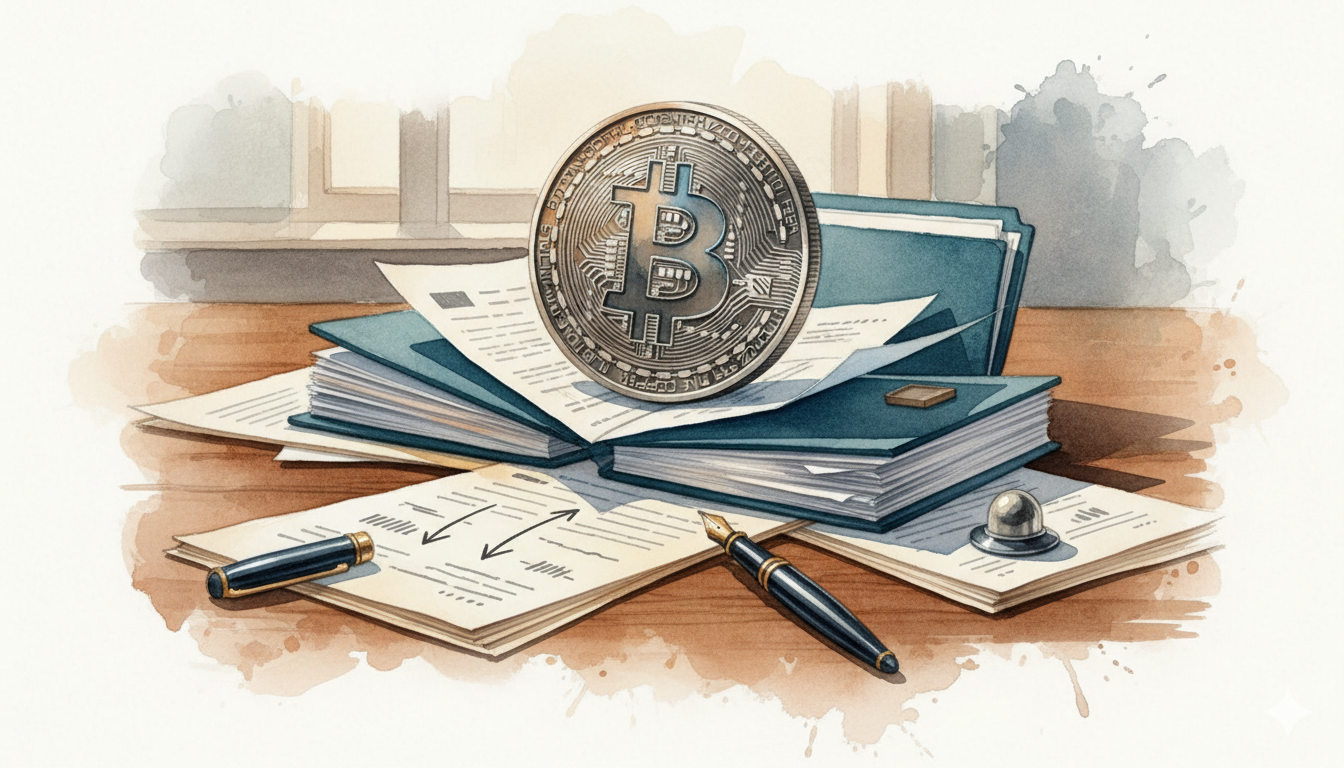
Under the draft framework, influencers who repeatedly recommend specific tokens or stocks—whether on social platforms, livestreams, mass publications, or broadcast channels—would be required to reveal the type and quantity of assets they personally hold when making those recommendations. The bill would also require them to disclose any compensation received in connection with the promotion.
The proposed penalties are designed to mirror the consequences used in traditional market-abuse cases. The draft ties violations to enforcement for unfair trading practices, including fines and potential criminal liability, bringing influencer-driven promotions closer to the standards applied to price manipulation and similar capital market offenses.
Lawmakers pushing the bill have framed it as a response to conflicts of interest that can arise when online personalities promote assets without disclosing that they already hold positions or have been compensated. The concern is that undisclosed incentives can encourage practices associated with pump-and-dump behavior, where promotion precedes selling into a price rise.
The proposal arrives amid a broader expansion of South Korea’s market-monitoring posture in 2026. The country’s Financial Supervisory Service has been rolling out AI-based monitoring tools aimed at detecting abnormal trading patterns and suspected manipulation in real time, according to the reporting cited alongside the draft legislation.
While the bill focuses on disclosure, its practical effect would be to create a clearer paper trail for enforcement when promotions coincide with suspicious trading, by obligating promoters to document holdings and payments at the moment they are steering audiences toward specific assets. Supporters argue that replacing opaque influencer marketing with standardized disclosures could make it easier for investors to assess bias and for regulators to pursue cases where promotions appear coordinated with dumping.
If passed, the framework would place South Korea among the more assertive jurisdictions targeting social-media-driven investment promotion in the digital asset market, extending rules that are familiar in regulated securities promotion into crypto commentary that has often operated with fewer formal constraints.
The material on GNcrypto is intended solely for informational use and must not be regarded as financial advice. We make every effort to keep the content accurate and current, but we cannot warrant its precision, completeness, or reliability. GNcrypto does not take responsibility for any mistakes, omissions, or financial losses resulting from reliance on this information. Any actions you take based on this content are done at your own risk. Always conduct independent research and seek guidance from a qualified specialist. For further details, please review our Terms, Privacy Policy and Disclaimers.
Articles by this author