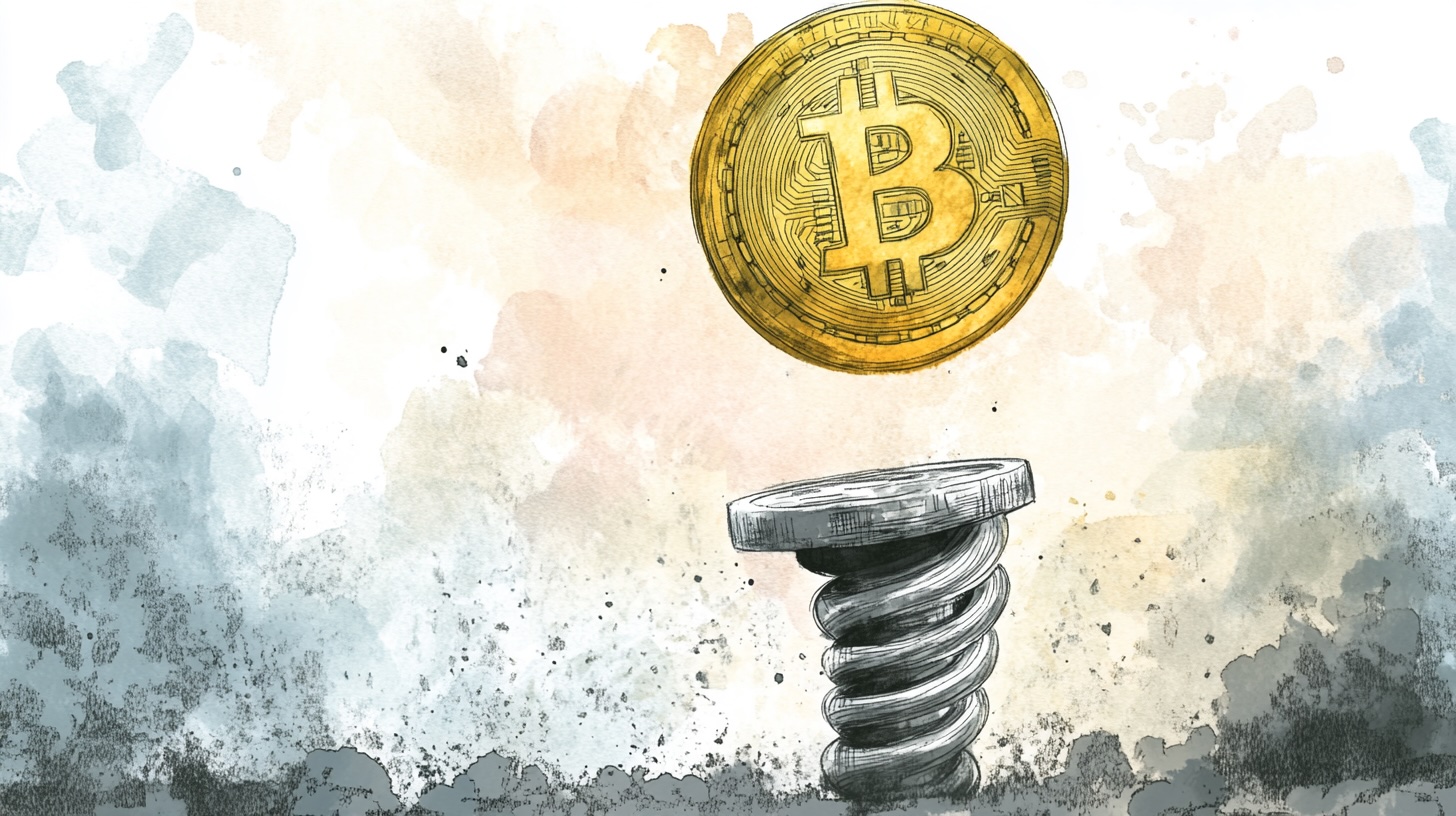
Solo miner with tiny hashrate solves bitcoin block against all odds

A solo Bitcoin miner operating a tiny, hobby-level setup has mined a full block and earned about 3.146 BTC, worth roughly $266,000, after successfully solving block 924,569 on Friday (November 21, 2025), despite running only a sliver of the network’s computing power.
According to pool operator data, the miner found the block through CKPool, a solo-mining service that lets individuals mine independently while using pooled infrastructure to broadcast valid blocks. The reward consisted of the standard block subsidy plus transaction fees, totaling a little over 3.14 BTC at the time the block was confirmed.
What made the event stand out was the miner’s reported hash rate. Analysts tracking the CKPool address estimate the rig was producing around 1.2 terahashes per second (TH/s), a level typical of a small home machine.
That is negligible compared with the Bitcoin network’s recent total hash rate, which sits in the hundreds of exahashes per second, meaning industrial-scale operators dominate day-to-day block production.
Because each miner’s chance of finding a block is proportional to their share of total hash rate, a setup of that size faces extremely long odds. With network difficulty at current levels, a miner running roughly 1 TH/s would statistically expect to find a block only once in many decades. The win was therefore a rare outlier rather than a repeatable result.
At the same time, the broader mining landscape remains shaped by scale. Since the April 2024 halving cut the block subsidy to 3.125 BTC, miners’ revenue per block has been structurally lower, pushing many operators toward efficiency upgrades, cheaper energy, or diversification into adjacent compute businesses.
With block rewards reduced and operating costs remaining high, several listed miners are expanding into AI and high-performance computing data centers, using their existing power and infrastructure footprint to host workloads beyond Bitcoin mining.
Examples include companies such as CleanSpark, which announced an AI-focused data center expansion in October, and TeraWulf, which is planning to raise $500 million via a convertible-note offering to develop a new campus in Texas that will support both mining and AI compute.
The material on GNcrypto is intended solely for informational use and must not be regarded as financial advice. We make every effort to keep the content accurate and current, but we cannot warrant its precision, completeness, or reliability. GNcrypto does not take responsibility for any mistakes, omissions, or financial losses resulting from reliance on this information. Any actions you take based on this content are done at your own risk. Always conduct independent research and seek guidance from a qualified specialist. For further details, please review our Terms, Privacy Policy and Disclaimers.
Articles by this author