SoFi and Mastercard to enable SoFiUSD stablecoin settlement worldwide
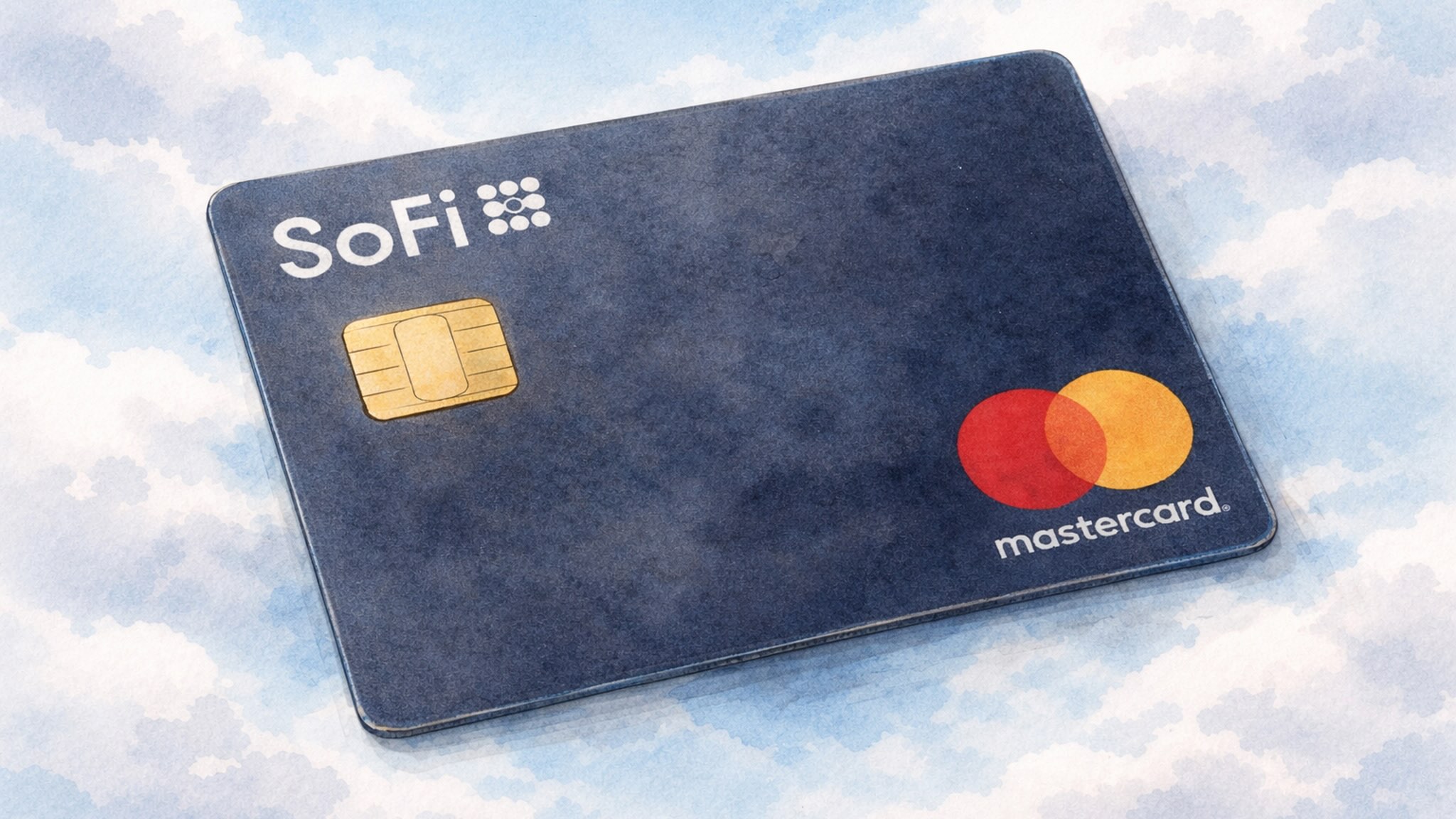
SoFi and Mastercard expanded their partnership to enable SoFiUSD stablecoin settlement on the Mastercard network. SoFi Bank expects to settle its own credit and debit transactions in SoFiUSD.
SoFiUSD is a fully reserved U.S. dollar stablecoin issued by SoFi Bank, an OCC-regulated, FDIC-insured depository institution, and runs on the Ethereum blockchain. Using the token for settlement between card issuers and acquirers is intended to enable near-instant clearing and reconciliation outside traditional banking hours, with use cases in cross-border remittances and business-to-business transfers, according to the companies.
Mastercard plans to support SoFiUSD on its Multi-Token Network, a platform built to connect existing payment rails with digital assets. The integration is designed to improve interoperability among fiat currencies, stablecoins and tokenized deposits, providing more ways for financial institutions and fintechs to settle transactions across the network.
Galileo, SoFi’s technology platform, expects to be among the first to offer its payment card clients and their issuing banks the option to settle in SoFiUSD. The partners also intend to test additional use cases spanning stablecoins, fiat and tokenized assets, including programmable treasury functions and new payout and money-movement scenarios. Any broader rollout will be subject to regulatory review.
SoFi CEO Anthony Noto said SoFiUSD is central to the company’s plan to make moving money worldwide faster, cheaper, and more secure. He added that, as a settlement currency on Mastercard’s global network, SoFiUSD would allow issuers and acquirers to offer millions of businesses instant, 24/7 transaction settlement.
Sherri Haymond, Mastercard’s global head of Digital Commercialization, framed the collaboration as a way to extend the reach of regulated digital currencies: “By working with SoFi to enable SoFiUSD across the Mastercard network, we’re expanding how trusted digital currencies can be used at global scale,” she noted, pointing to the “reliability, security, and reach” expected by consumers, businesses and financial institutions.
SoFi launched SoFiUSD in December, describing it as the first stablecoin issued by a nationally chartered bank on a public blockchain. The token is backed 1:1 by cash reserves held for immediate redemption and is intended to support continuous, near-instant settlement for banks, fintechs and enterprise clients. The effort builds on SoFi’s broader crypto services, including a feature that lets members buy, sell and hold digital assets within its banking app.
Stablecoins are seeing greater use in financial services as firms explore faster settlement and cross-border transfers using blockchain-based instruments. Industry research estimates the global stablecoin market now exceeds $300 billion, and overall issuance in 2025 doubled from the prior year, according to McKinsey. A recent global study from BVNK, in partnership with Coinbase and Artemis, found that more than half of people with crypto exposure held stablecoins in the past 12 months, and over three-quarters would open a stablecoin wallet if offered by their bank or fintech app.
The SoFi-Mastercard initiative focuses on settlement-the behind-the-scenes exchange of funds between financial institutions-rather than consumer purchases made directly in stablecoins. Merchants would continue to accept card payments as usual, while issuers and acquirers could choose SoFiUSD to balance accounts after a transaction. The companies indicate tokenized dollar settlement can shorten clearing times, reduce reconciliation frictions and support 24/7 operations across time zones.
The partners did not provide a timeline for broader availability. Pilots and additional features within Mastercard’s Multi-Token Network are expected to proceed in coordination with partners and regulators.
The material on GNcrypto is intended solely for informational use and must not be regarded as financial advice. We make every effort to keep the content accurate and current, but we cannot warrant its precision, completeness, or reliability. GNcrypto does not take responsibility for any mistakes, omissions, or financial losses resulting from reliance on this information. Any actions you take based on this content are done at your own risk. Always conduct independent research and seek guidance from a qualified specialist. For further details, please review our Terms, Privacy Policy and Disclaimers.
Articles by this author