Senate panel delays crypto bill over stablecoin rewards clash
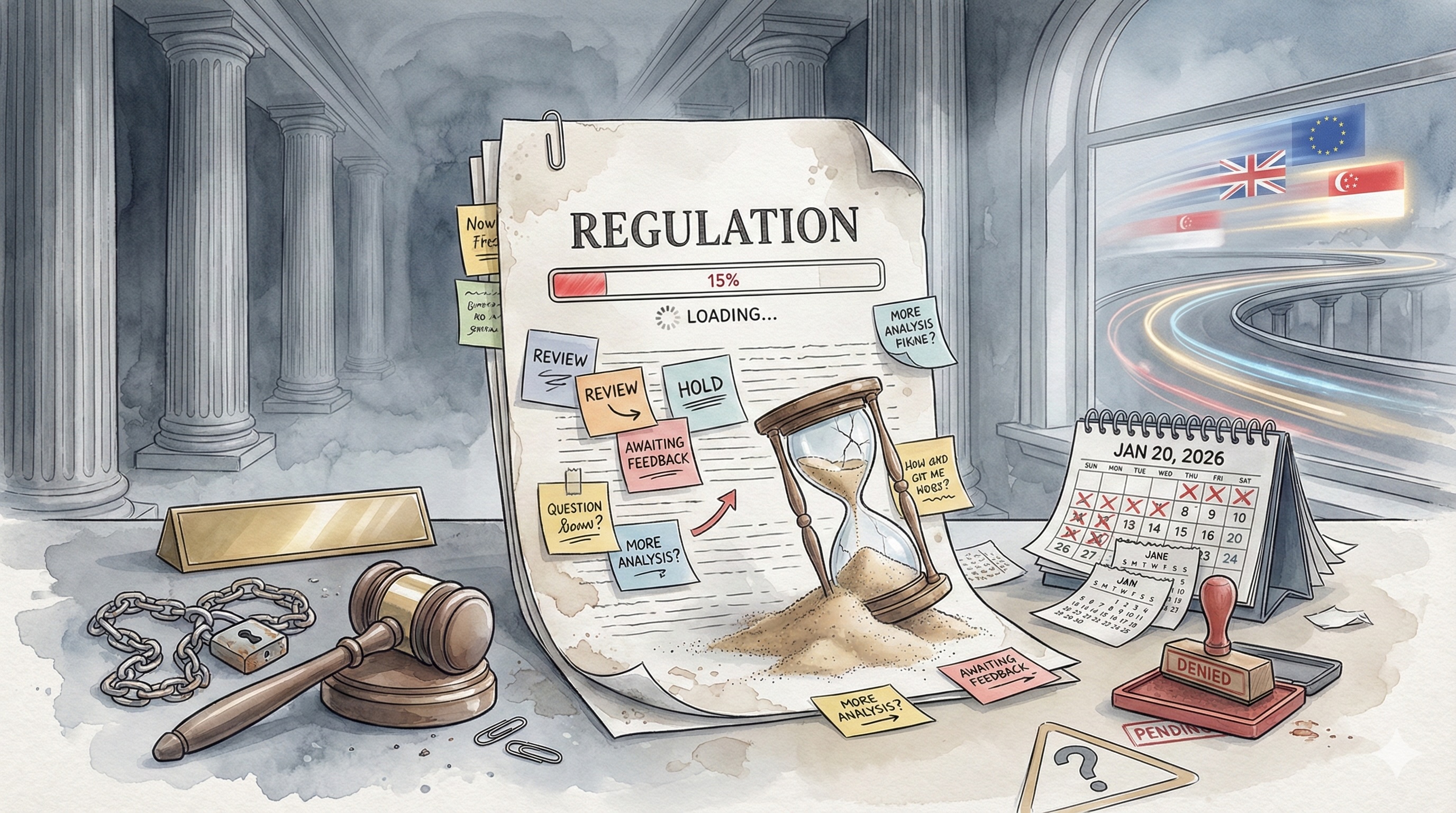
Senate Banking Committee cancels crypto bill markup after dispute over stablecoin rewards, fueling concern the U.S. may fall behind global rivals.
The Senate Banking Committee canceled a scheduled markup last Thursday in Washington for a cryptocurrency and digital assets bill, halting a years-long bid to set federal market rule, Fox Business reports.
Sen. Cynthia Lummis, a Wyoming Republican and prominent backer, called the delay “a blow” and described the cancellation as resetting her timeline to finish work before she retires next year.
Disputes inside the industry sharpened the impasse, particularly over a provision that would let stablecoin users earn “rewards” that resemble interest. Coinbase chief executive Brian Armstrong wrote that “we’d rather have no bill than a bad bill,” and later met with senators, explaining he felt obligated to speak for customers and “the 52 million Americans who use crypto.”
Banking groups warn that interest-like returns on stablecoins-tokens pegged to assets such as the dollar, euro or gold-could draw deposits away from traditional accounts. Congress approved, and President Trump signed, the GENIUS Act last year, establishing federal standards for stablecoins. Some banking groups have urged lawmakers to unwind the rewards feature despite its passage, which drew pushback from several senators. Ohio Republican Sen. Bernie Moreno argued banks need to find agreement with innovators, adding, “They have to come to consensus with the innovation community. If they can’t, then they’re going to have to live with the status quo.”
The political backdrop has shifted. Crypto-linked super PACs spent about $40 million in Ohio in 2024 as Moreno defeated former Sen. Sherrod Brown, a Democrat who chaired the committee and was skeptical of industry-backed legislation.
Despite the pause, some members predicted progress. North Carolina Republican Thom Tillis, who is retiring, forecast that the panel could still complete a markup in the first quarter. Lummis noted she has “11 more months” to improve the bill before leaving office.
Industry groups caution the timeline is tight. Blockchain Association CEO Peter Smith projected that failure to pass the measure now could push action until after the midterms, estimating “realistically, two more years of delay.”
Supporters argue that clear rules would keep capital and development in the United States. Rep. William Timmons of South Carolina called crypto a “very disruptive technology” and urged Congress to set a framework to keep activity onshore. Tillis described the U.S. banking system as the “gold standard” and linked sound crypto policy to maintaining that status.
Opponents remain firm. Rep. Brad Sherman of California contended that crypto enables hidden money and crime, asserting, “Clearly, we’d be better off without it.” House Financial Services Chair French Hill of Arkansas countered that blockchain records aid tracing and that “the choice transaction method for criminals is actually cash,” along with methods such as trade-based money laundering and bulk gift card purchases.
While Congress debates, market infrastructure continues to advance. The New York Stock Exchange outlined plans for a platform to trade tokenized securities using blockchain technology, with instant settlement and 24/7 availability, in contrast to next-business-day settlement for many current trades.
For now, the committee’s cancellation keeps the bill on hold, with disagreements over stablecoin rewards, consumer protections and the banking system’s role unresolved.
As we reported earlier, the Senate Judiciary Committee sought to remove a section from the broader crypto package that shields software developers, warning it could open loopholes for decentralized platforms.
Committee leaders Chuck Grassley and Dick Durbin wrote to Banking Chair Tim Scott and Sen. Elizabeth Warren, arguing the draft risks an enforcement gap by narrowing who can be pursued for unlicensed money transmission.
The disputed language, added in early January, mirrors the Blockchain Regulatory Certainty Act and says non-custodial developers and infrastructure providers are not money transmitters if they don’t control users’ funds.
The material on GNcrypto is intended solely for informational use and must not be regarded as financial advice. We make every effort to keep the content accurate and current, but we cannot warrant its precision, completeness, or reliability. GNcrypto does not take responsibility for any mistakes, omissions, or financial losses resulting from reliance on this information. Any actions you take based on this content are done at your own risk. Always conduct independent research and seek guidance from a qualified specialist. For further details, please review our Terms, Privacy Policy and Disclaimers.
Articles by this author