SEC clears Nasdaq plan to trade tokenized stocks via Depository Trust Company
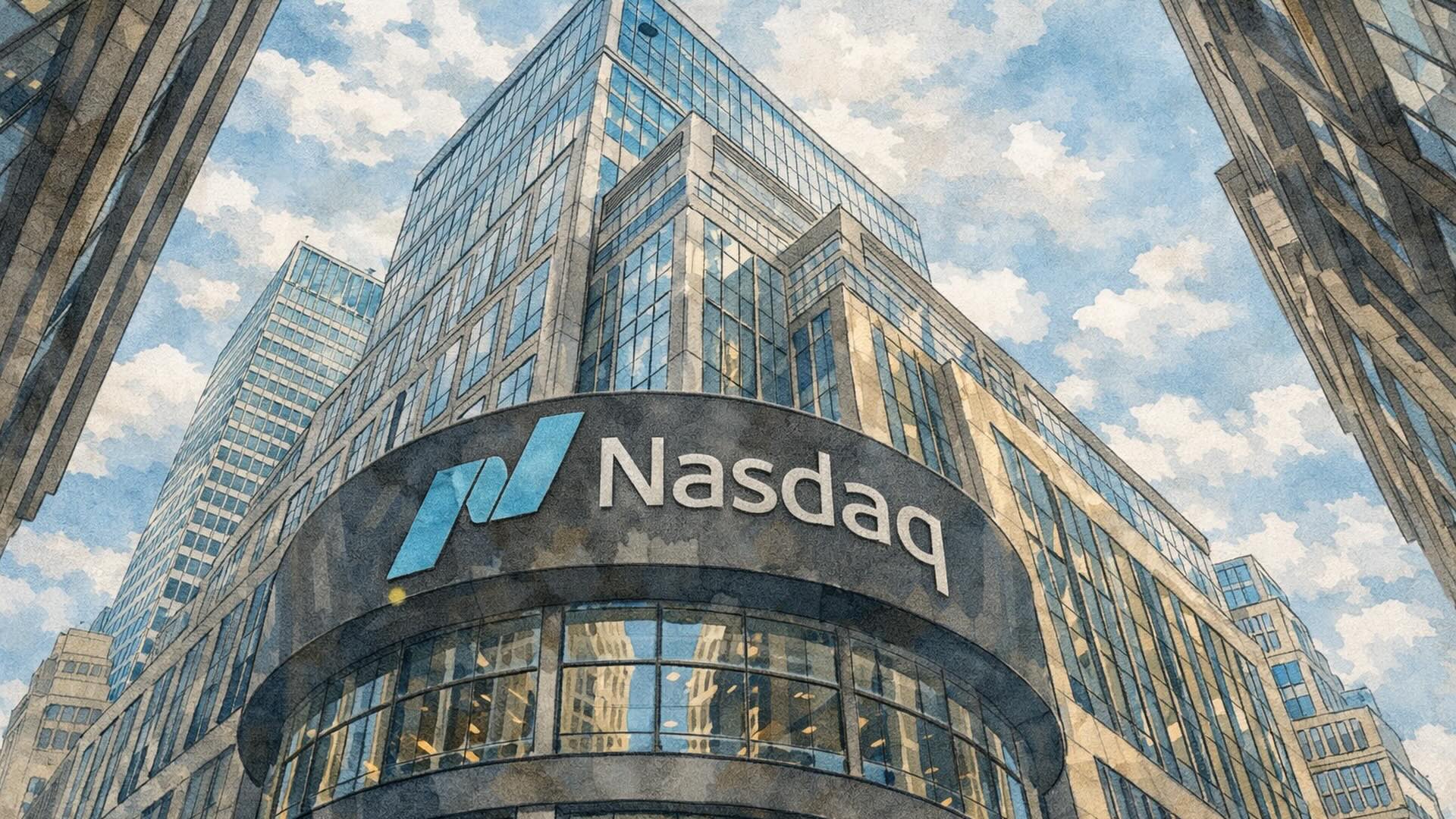
SEC approval lets Nasdaq route tokenized trades in Russell 1000 stocks and select ETFs through DTC, with the same rights and symbols and a fallback to traditional settlement if ineligible.
The Securities and Exchange Commission (SEC) approved Nasdaq’s plan to enable trading in tokenized versions of certain U.S. equities on existing market infrastructure. The program uses the Depository Trust Company (DTC) for settlement rather than a separate blockchain venue.
At launch, the plan covers companies in the Russell 1000 index and select index exchange-traded funds. Tokenized shares must carry the same ticker symbols, trading priority, and shareholder rights as the traditional shares. In 2026, tokenized real-world assets rose 66% to $23.6 billion, according to DeFiLlama.
Participating brokers can mark an order for tokenized settlement when entering it. After execution, Nasdaq forwards that instruction to DTC for settlement. If the broker or security is not eligible, or if the blockchain or wallet configuration is incompatible, the trade settles through the standard non-tokenized workflow.
The program applies to some securities already listed on Nasdaq’s national securities exchange. Nasdaq has not disclosed a start date for tokenized trading.
Nasdaq filed the proposal in September, arguing that existing market rules and federal securities laws apply regardless of the technology used. The SEC has stated that placing a security on a blockchain does not alter its legal status under federal law.
During the review, the Securities Industry and Financial Markets Association and Cboe Global Markets sought more clarity on DTC’s role and how tokenized and traditional settlement would interact. The Digital Chamber urged the agency to avoid favoring specific firms or technologies and to give issuers more input. Better Markets opposed the plan, citing potential price gaps between formats, surveillance challenges, and legal uncertainty. By late November, several exchanges and market groups asked the SEC to avoid broad exemptions for tokenized securities, warning of uneven regulatory treatment and new risks.
The approval keeps trading and settlement within current systems, using tokenization to represent ownership while relying on established market plumbing and protections.
Tokenization refers to creating a blockchain-based representation of a stock or ETF that is linked to the original security and preserves the same economic and legal rights. Tokenized assets remain subject to federal securities laws and existing market surveillance and reporting requirements. According to the Aave founder, DeFi could tap $50T via tokenization by 2050.
The material on GNcrypto is intended solely for informational use and must not be regarded as financial advice. We make every effort to keep the content accurate and current, but we cannot warrant its precision, completeness, or reliability. GNcrypto does not take responsibility for any mistakes, omissions, or financial losses resulting from reliance on this information. Any actions you take based on this content are done at your own risk. Always conduct independent research and seek guidance from a qualified specialist. For further details, please review our Terms, Privacy Policy and Disclaimers.
Articles by this author