Sam Bankman-Fried lobbies for Presidential Clemency
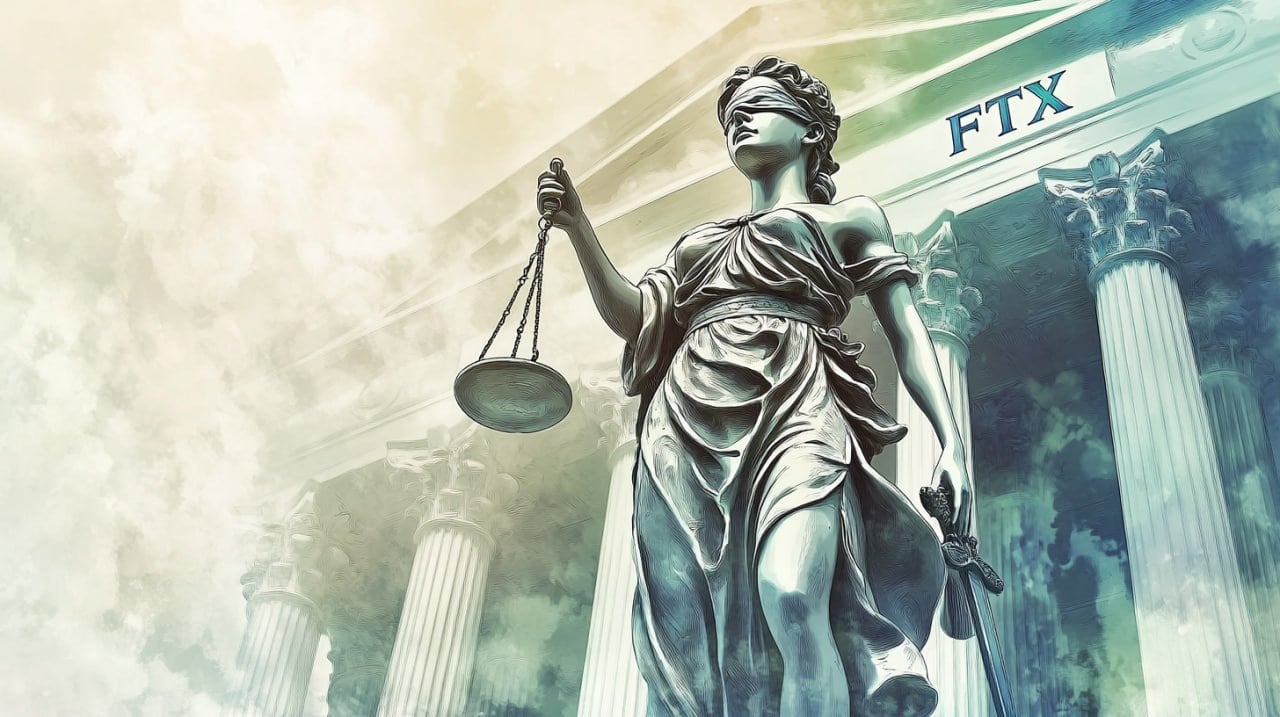
The FTX founder convicted in one of the largest financial frauds in crypto history and sentenced to 25 years in prison plus an $11 billion forfeiture, is now fighting not in court, but in Washington.
Next week, the Second Circuit Court of Appeals in Manhattan will hear Sam Bankman-Fried’s appeal of his 25‑year sentence. Normally, such hearings attract modest legal attention. But this one comes under a new spotlight—just days after Donald Trump pardoned CZ, the founder of Binance. The swift political twist in the Binance case immediately sent prediction markets soaring and revived an old question: could SBF also see his sentence cut, if not fully erased?
Let’s untangle the story.
A Legal Dead End and a Political Opening
For the FTX founder, now serving time at the low‑security Federal Correctional Institution Terminal Island in Los Angeles, the only realistic path to early release is a presidential commutation. The standard route through the Department of Justice’s Office of the Pardon Attorney is closed. U.S. law requires a five‑year waiting period after release from prison before an individual can even apply for clemency. Moreover, formal pardons generally demand clear remorse and years of good conduct.
In contrast, a commutation simply reduces a prison sentence – it does not erase a conviction or restore civil rights. A pardon is full legal forgiveness. The distinction matters: clemency can change a man’s calendar; a pardon rewrites his past.
Trump’s precedent, however, has shifted the logic. Earlier this month, he pardoned Binance founder Changpeng “CZ” Zhao. CZ served only four months, far short of the DOJ’s five‑year rule, yet his pardon cleared the way for him to return to corporate life.
In other words, Trump’s version of clemency in high‑profile financial cases is a political instrument, not a procedural one.
SBF, by contrast, has served barely over two years and continues to contest his conviction. He maintains that FTX was “solvent but illiquid” at the time of its collapse. His attorneys are pressing for a new trial, while the appeal hearing is set for November 4, 2025, in Manhattan.
That contradiction, fighting the verdict in court while lobbying for mercy in the White House, has turned the SBF case from a criminal saga into a political one.
The Redemption Card: Creditor Repayments
The strongest talking point in SBF’s favor lies outside the courtroom: the extraordinary progress of the FTX bankruptcy. Under FTX Recovery Trust, led by restructuring veteran John J. Ray III, between $14.7 and $16.5 billion in assets have been recovered. Court filings indicate that 98% of creditors are on track to receive at least 119% of their approved claims.
SBF’s team leans on these figures to argue that “no lasting harm was done” and that his 25‑year sentence is disproportionate – punishment for mismanagement rather than outright theft. A presidential pardon could, in theory, wipe out not only the prison term but also the $11‑billion forfeiture order.
From Democratic Donor to “Biden’s Victim”
Both SBF and his mother, Stanford law professor Barbara Fried, were major donors to the Democratic Party. Fried co‑founded the influential Silicon Valley political fund Mind the Gap. After stepping down from that role in 2022, she focused on criminal justice reform through the advocacy group FAMM (Families Against Mandatory Minimums), which campaigns for shorter sentences and better prison conditions.
Now, Fried is reframing her son’s case as part of that broader moral agenda: casting it as a story about excessive punishment and judicial overreach. She has also launched a public campaign calling for her son’s release, emphasizing the political nature of his conviction.
Acting on her advice, SBF used his first prison interview to send an indirect message to Donald Trump, claiming he had become a victim of the “destructive politicization” of the justice system under the Biden administration. That portrayal (as a casualty of a “vengeful DOJ”) is designed to resonate with Trump, who has made similar accusations against the Department of Justice.
To strengthen their reach, SBF’s parents have reportedly retained Corey Langhofer, a lawyer and former counsel to Trump’s campaign and transition team. His involvement suggests the emergence of a coordinated and well‑funded lobbying effort inside Washington.
The Political Risk of Freeing “Crypto’s Bernie Madoff”
Beyond CZ, Trump has already granted clemency to several white‑collar offenders, including the BitMEX founders, whose $100‑million fine was annulled. Legally, no formal obstacles exist to SBF’s release.
The politics, however, are another story. The FTX collapse remains the largest scandal in crypto history. The reputational fallout reached far beyond FTX’s customers, devastating the broader market and investor confidence. For Trump, freeing SBF could ignite backlash among the very “crypto voters” he has been courting. Conservative commentators still call Bankman‑Fried “the Bernie Madoff of crypto”, and his name remains radioactive even among industry insiders.
Prediction markets reflect that skepticism: as of late October, SBF’s odds of a 2025 pardon were priced at just 6–10%. The fate of crypto’s most infamous figure hangs not on legal briefs but on political calculus – and on whether Trump sees more gain than risk in forgiving the man who once bankrolled his rivals.


Recommended