US Senators push SAFE Crypto Act to fight crypto fraud
A new bill introduced in the US Senate, the SAFE Crypto Act, aims to bring government agencies and the crypto industry into the same room to go after scammers and crypto hackers. The measure was introduced by Sens. Elissa Slotkin and Jerry Moran.
Lawmakers argue the framework is meant to speed up information sharing between public agencies and private companies, making it easier to spot criminal patterns early, disrupt cash-outs, and help victims get money back.
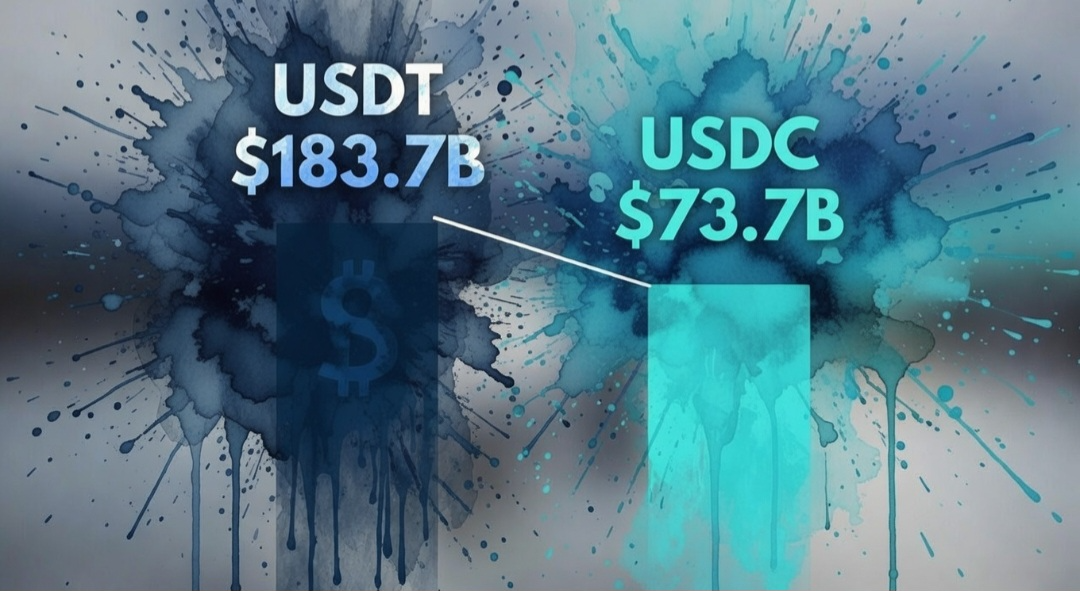
In the full bill text, the core idea is the creation of a dedicated crypto-fraud Task Force. The proposal puts the US Treasury in the lead role and calls for participation from the attorney general, the heads of FinCEN and the US Secret Service, and law enforcement officials from different levels of government. On the private-sector side, it envisions involvement from stablecoin issuers, exchanges and other digital-asset service providers, custodians, blockchain analytics firms, and organizations that support victims.
The Task Force’s mandate is deliberately practical. It includes studying “financial grooming” and other common scam playbooks, developing prevention strategies, reviewing approaches used in other countries, and mapping out public education efforts.
The bill also leans into a “real-time” model: it encourages companies to participate in information-sharing networks and interdiction efforts designed to stop criminals from converting crypto into fiat.
Another major section focuses on asset recovery. The legislation proposes working with permitted stablecoin issuers on technical options such as freezing, seizing, burning, or reissuing tokens tied to scam proceeds, while noting that actions should follow applicable law and due-process safeguards.
Supporters point to the scale of the problem. They cite the FBI IC3 2024 Annual Report, which reported nearly 150,000 complaints involving cryptocurrency and roughly $9.3 billion in losses.
The largest age group filing these crypto-related complaints was people over 60, who are frequently targeted through long-running social engineering and confidence scams.
The material on GNcrypto is intended solely for informational use and must not be regarded as financial advice. We make every effort to keep the content accurate and current, but we cannot warrant its precision, completeness, or reliability. GNcrypto does not take responsibility for any mistakes, omissions, or financial losses resulting from reliance on this information. Any actions you take based on this content are done at your own risk. Always conduct independent research and seek guidance from a qualified specialist. For further details, please review our Terms, Privacy Policy and Disclaimers.
Articles by this author