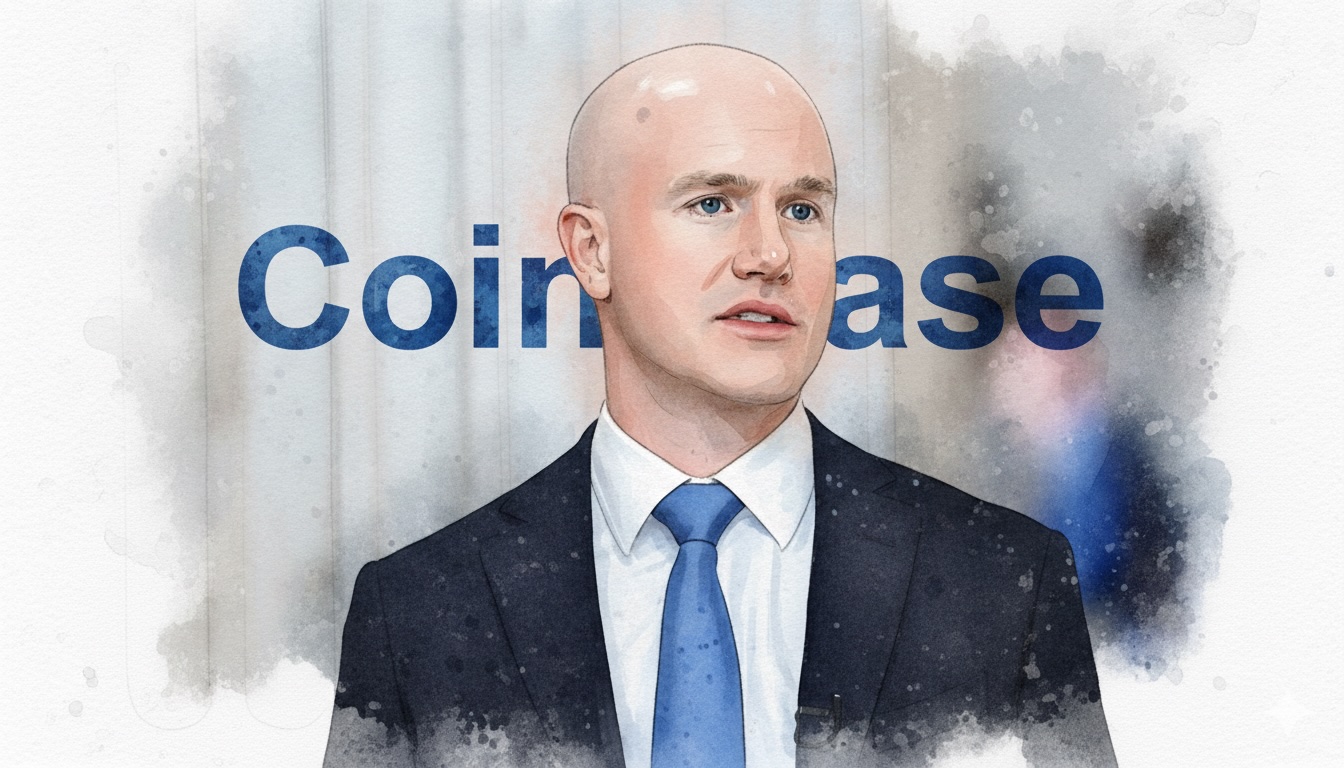
Bitcoin.com CEO: how Dennis Jarvis rebuilt the company

Before Dennis Jarvis, Bitcoin.com went through a long stretch of turbulence. In 2019, Roger Ver stepped away as CEO, then Stefan Rust and Mate Tokay took turns leading the company. Layoffs, a shifting strategy, and user frustration put pressure on the team. Ver wanted a leader with real product experience. Why did he choose Jarvis, and what changed after he took the wheel?
Bitcoin.com’s challenges that triggered the CEO change
Bitcoin.com built a reputation on founder charisma. “Bitcoin evangelist” Roger Ver was a loud, polarizing figure, and that helped the brand get attention fast, share fresh ideas quickly, and compete aggressively.
As the business scaled, the one-person leadership model started to drag. The company struggled to maintain predictable product growth while strategic decisions were often reactive and personality-driven.
By 2020, Bitcoin.com had issues that were no longer manageable through manual, last-minute fixes. Users grew more demanding. Mistakes in wallet development, fee calculations, and slow transactions cost people real money. Trust slipped, and scrutiny around risk kept rising.
Against that backdrop, Dennis Jarvis became CEO in May 2020. He had worked in large tech businesses and had already been part of Bitcoin.com’s product team. His appointment signaled a move toward structured management.

Dennis Jarvis: from initial growth to structured leadership
When Jarvis took the role of CEO of Bitcoin.com, he inherited a full stack of challenges. The company was well known, yet it needed to grow up.
First, leadership stability mattered. Before Jarvis, the top seat at Bitcoin.com changed hands within months. For investors and partners, that reads as risk. It is unclear who sets the direction, who signs off on tough calls, and who owns outcomes.
Second, the product organization needed order. A crypto wallet is a complex product: key management, transaction UX, fee logic, and network integrations all need to function seamlessly. Those integrations demand constant attention. When a team lives in emergency mode, small cracks show up everywhere, and those “small” cracks shape how users judge the product.
Based on Jarvis’s public background, he came in as a manager who builds clear, horizontal workflows. Roles became explicit: who owns the wallet, who owns exchange, who owns partner integrations, who owns content and education. Release cycles became consistent. The team started working with quarterly plans, clear quality checks, and playbooks for incidents.
Communication improved in parallel. In crypto, people pick up a brand’s tone quickly. If a company dodges questions or speaks in vague slogans, trust drops. A calmer, product-focused voice often becomes part of the fix. Under Jarvis, communication shifted toward fewer headline-driven statements and more concrete product updates.
A better way to judge executive impact is to look at decisions made during the leader’s own tenure. One concrete example is the launch and build-out of the VERSE ecosystem in 2022. Bitcoin.com ran a public token sale, then integrated Verse DEX, and added reward mechanics across its products.
Launching VERSE required coordination across legal, product, marketing, and partners – from token economics to wallet integration and post-sale support.
Ecosystem expansion and brand repositioning at Bitcoin.com
One of the clearest themes of the Jarvis era was expanding Bitcoin.com as an ecosystem. Earlier, many people linked the brand to Bitcoin Cash and its media footprint. Over time, the focus shifted to a broader idea: “a wallet as your on-ramp to crypto.”
In 2022 to 2024, users came to expect one wallet to work across multiple networks. The reason is practical. Fees and transaction speed vary widely by chain. When Ethereum gets expensive for small transfers, people look for lower-fee options. That is why Polygon, BNB Smart Chain, and Avalanche became common choices inside multi-chain wallets.
Bitcoin.com Wallet evolved in that direction. It supports multiple blockchains, including Bitcoin, Bitcoin Cash, Ethereum, and several EVM networks. The wallet also supports DeFi features and connections to dApps. During the same period, the company kept building VERSE, an ecosystem token with reward mechanics. In 2022, Bitcoin.com completed a public sale of VERSE, followed by trading launch and Verse DEX integrations. For the business, this tied products into one loop. For users, it created a reason to stay engaged inside Bitcoin.com.
The brand tone shifted too. For years, Bitcoin.com was pulled into ideological disputes. Under Dennis Jarvis, messaging moved in a different direction. It leaned less on one narrow narrative and more on access, usability, and “economic freedom” as a broad idea. That matters because it widens the audience. New users show up for a tool they can understand, not for a flashy headline.
The market also saw a leader speaking about product, safety, and real use cases. That helped reduce founder-driven noise and strengthened confidence in the platform. In that context, the role of CEO Bitcoin.com carried real weight.
Strategic impact and long-term direction
Looking at outcomes, the Jarvis period delivered a clear shift: Bitcoin.com moved from a brand with strong ideological associations to a product ecosystem that operates more like a mature company.
The most visible sign of maturity is continuity. In February 2024, Bitcoin.com announced Dennis Jarvis was stepping down as CEO and named Corbin Fraser as interim CEO. Fraser said he would continue Jarvis’s approach. Investors read that as a sign the company could hand off leadership without chaos or a sudden change of course.
The Jarvis period also showed greater resilience through market cycles. A diversified product mix – wallet services, exchange features, DeFi access, education, and partnerships – provided balance during volatility. At the same time, clearer product positioning and less confrontational branding created more room for institutional partnerships and compliance alignment.
In Bitcoin.com’s trajectory, Jarvis served as a transition-era operator. He stepped in when the company needed stability, structure, and product focus – and left behind a more predictable organization. As CEO of Bitcoin.com, he met that moment, then passed the direction forward.
The material on GNcrypto is intended solely for informational use and must not be regarded as financial advice. We make every effort to keep the content accurate and current, but we cannot warrant its precision, completeness, or reliability. GNcrypto does not take responsibility for any mistakes, omissions, or financial losses resulting from reliance on this information. Any actions you take based on this content are done at your own risk. Always conduct independent research and seek guidance from a qualified specialist. For further details, please review our Terms, Privacy Policy and Disclaimers.
Articles by this author