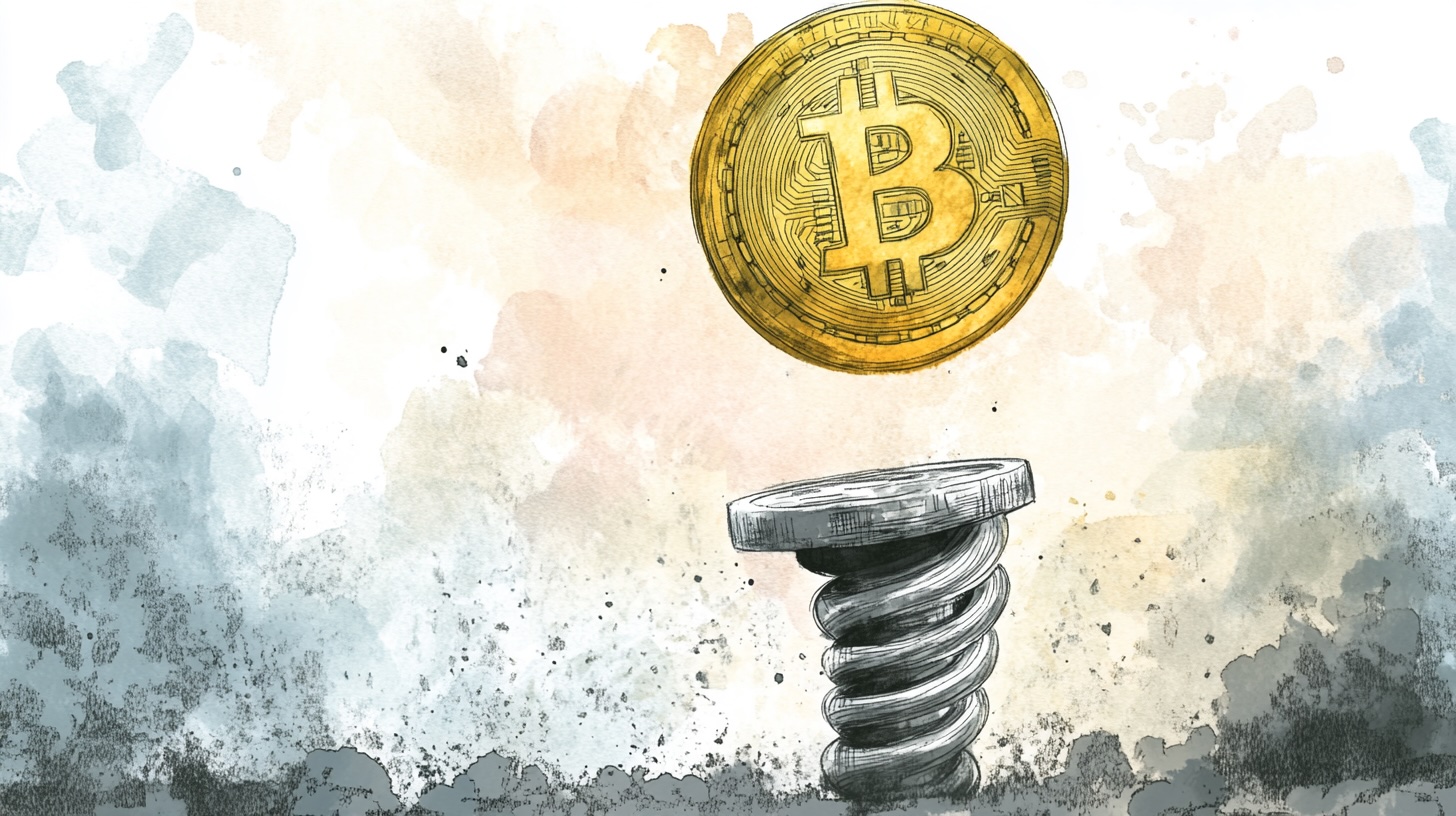
Record crypto hacks drive rush to cold storage wallets

Crypto investors and European enterprises are buying hardware and other secure devices at the fastest pace on record after a wave of on-chain and exchange hacks in 2025 stole about $2.2bn in the first half of the year, already more than in all of 2024.
Ledger, which makes USB-style cold-storage devices, said 2025 is its “best year yet,” with revenues in the “triple-digit millions” as users move assets off exchanges and hot wallets that were hit by credential thefts and front-end exploits. Chief executive Pascal Gauthier said customers are reacting to the fact that “we’re being hacked more and more every day,” and that mainstream phones and laptops “were not designed for security,” pushing both retail holders and companies to upgrade to dedicated signing hardware. Ledger, last valued at $1.5bn in 2023, now secures around $100bn in assets and is preparing another fundraising, possibly via a U.S. listing.
The buying spree comes after several headline attacks in 2025, including the $1.5bn theft from Bybit, mentioned in our Bybit review, in February that blockchain-analytics firms tied to North Korean operators, and a series of wallet-draining incidents that, for the first time, hit large numbers of individual users — Chainalysis said about 23% of 2025’s stolen funds came directly from personal wallets, an “increasingly significant” share. Because those attacks bypassed exchange custody and went straight for private keys, security teams say the market is now treating cold storage and secure-signing devices as the default for long-term holdings.
With MiCA custody provisions and UK FCA warnings pushing platforms to tighten consumer-protection controls, some corporates and family offices in the EU are opting to keep high-value coins in their own hardware-secured environments instead of leaving them on a single venue. Alongside the usual Q4 retail bump — Black Friday and Christmas — they are now seeing institutional-style orders for hardware security modules (HSMs) and multi-party computation (MPC) appliances that can plug into trading and treasury workflows, letting firms approve on-chain transfers without exposing keys to internet-connected machines.
Other wallet makers, including Czech-based Trezor and Swiss provider Tangem, said they are benefiting from the same trend as users look for air-gapped or card-style devices that cannot be drained by a browser exploit. Analysts tracking the sector estimate the global hardware-wallet market at about $475–680mn in 2024–25, with forecasts of multi-billion-dollar sales by the early 2030s as crypto becomes part of corporate balance sheets and as more banks offer tokenized assets that still need cold key storage.
The material on GNcrypto is intended solely for informational use and must not be regarded as financial advice. We make every effort to keep the content accurate and current, but we cannot warrant its precision, completeness, or reliability. GNcrypto does not take responsibility for any mistakes, omissions, or financial losses resulting from reliance on this information. Any actions you take based on this content are done at your own risk. Always conduct independent research and seek guidance from a qualified specialist. For further details, please review our Terms, Privacy Policy and Disclaimers.
Articles by this author