MetaMask vs Rabby: beginner hot wallet comparison and choice guide 2026

MetaMask and Rabby Wallet are two of the most popular EVM hot wallets in 2026, but they protect beginners in very different ways. We tested network switching, recovery, approvals, swaps, and stuck transactions, then turned the results into clear scenarios so you can pick the safer fit for your first months in DeFi.
After running MetaMask and Rabby through a beginner-style live test, the distinction felt sharp. MetaMask is the default DeFi standard with maximum dApp compatibility and deep manual control, while Rabby tries to prevent bad signatures with simulation warnings and built-in speedup and cancel tools. The table below shows how each wallet scores across our categories.
MetaMask vs Rabby Wallet at a glance
| Category | MetaMask | Rabby | Winner |
|---|---|---|---|
| Security & Key Management | 4.0 | 4.5 | Rabby |
| Supported Assets & Networks | 5.0 | 4.0 | MetaMask |
| Transaction Costs & Speed | 3.0 | 4.0 | Rabby |
| User Experience & Interface | 5.0 | 4.0 | MetaMask |
| DeFi & dApp Integration | 5.0 | 4.5 | MetaMask |
| Recovery & Backup Systems | 5.0 | 3.5 | MetaMask |
| Customer Support & Documentation | 5.0 | 3.5 | MetaMask |
| Total | 4.6 | 4.1 | MetaMask |
Network support & customization
We tested both wallets the way a new DeFi user actually bumps into “network stuff”: we connected each one to a couple of EVM dApps on different chains (a mainstream L2 plus a sidechain), then watched what happened when a site asked us to switch networks mid-flow. We also did the boring but important part: checking whether balances and tokens stay readable after you bridge, swap, or simply hop between chains.
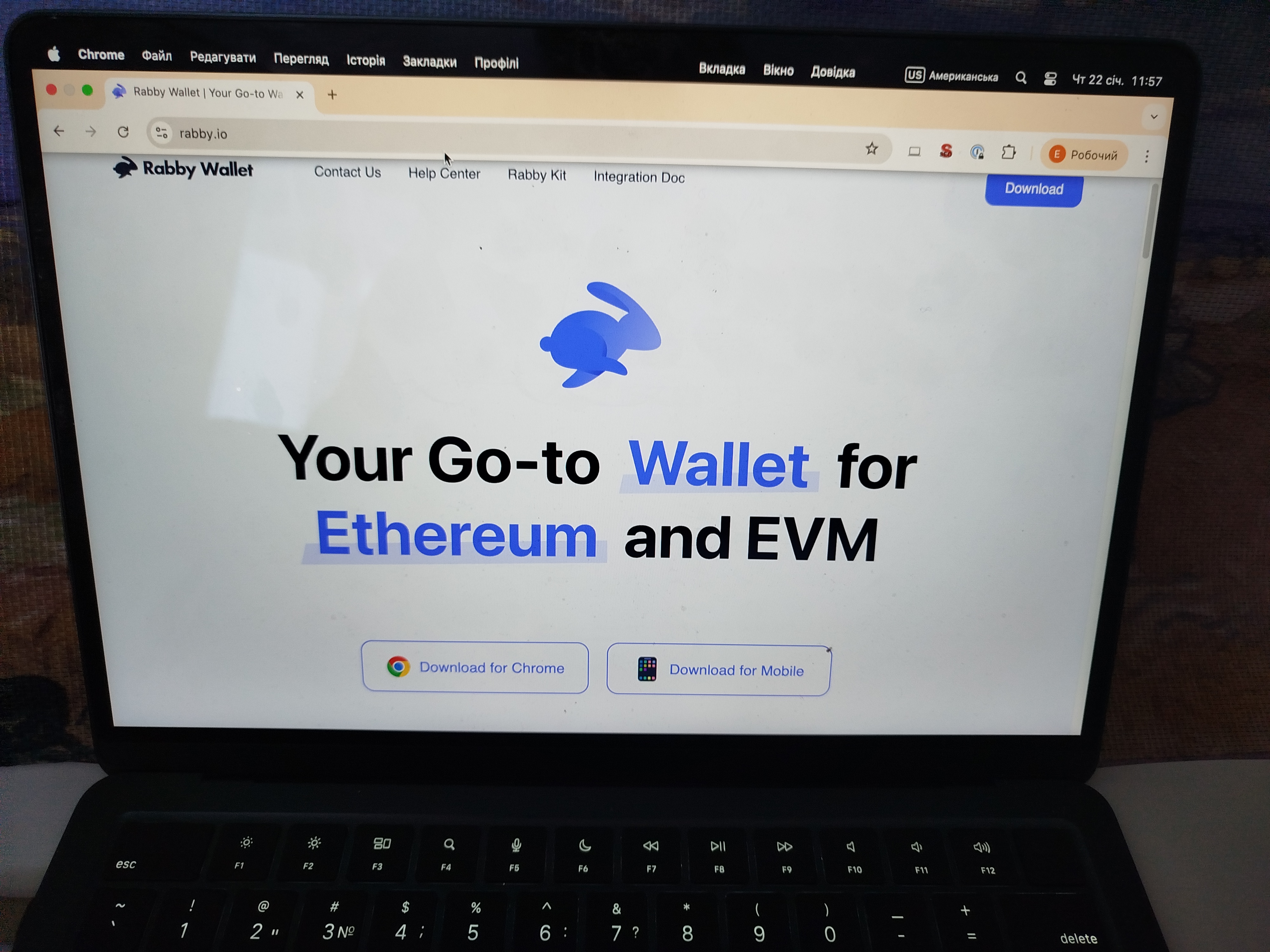
Rabby is built around an EVM-first default that tries to reduce manual setup. In our experience, it usually recognizes the chain a dApp is on and nudges you into the right network with fewer clicks. The other beginner-friendly detail is how it handles assets across EVM networks: if you just bridged a token and it “disappeared,” Rabby more often surfaced it automatically, which lowers the chance you panic and resend funds somewhere risky. You still can add custom networks, but the “start working fast” feeling is the point.
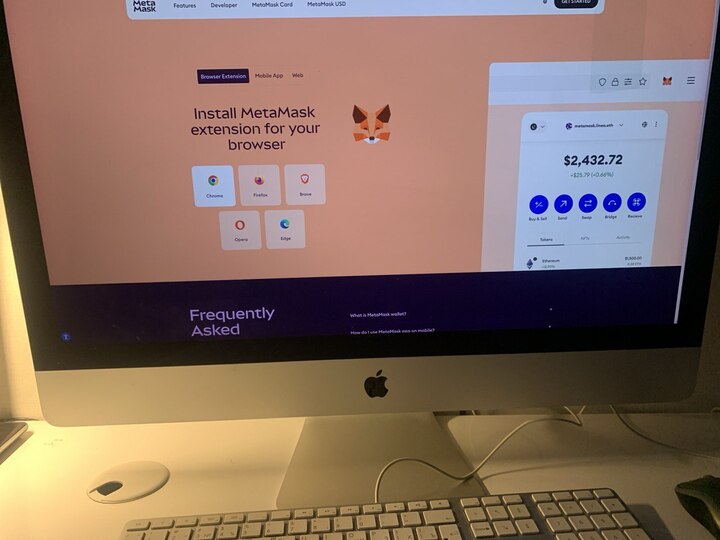
MetaMask feels more customization-first. It gives you the classic controls to add and manage networks, and that flexibility is powerful once you know what you are doing. In our tests, though, it also means you are more likely to face the two-step beginner moment: add or switch the network, then manually make sure the asset you care about is visible on that chain. This is where people assume the wallet lost their funds, when the real issue is just the wrong network view.
Where beginners break in both wallets is surprisingly consistent: trusting a random RPC, assuming a missing token equals a loss, and clicking on spam tokens or airdrops that should be ignored. We will turn these differences into a clear by-scenario pick in the final section, but here the core takeaway is simple: Rabby tries to automate the EVM network layer, while Rabby wallet vs MetaMask comparison usually comes down to how much manual control you want to keep in MetaMask.
Wallet setup & recovery options
We treated setup like a real first hour: create a fresh wallet, lock it with a password, and then immediately try the scary part beginners avoid testing. We reinstalled on a second device and restored access, because the only time you want to discover a recovery mistake is before you have meaningful funds on the address.
With Rabby, the core story is still a seed phrase first, but the mobile app adds a convenience fork. In its own onboarding flow, Rabby Mobile lets you back up the seed either manually or via iCloud or Google Drive, and it warns that you will need your Rabby password to restore that cloud backup. Rabby also states it does not store your password, so forgetting it means reinstalling and setting up again, then recovering via seed phrase or the cloud backup password you created. In practice, that is beginner-friendly if you are disciplined, but it is unforgiving if you treat passwords casually.
MetaMask still starts with the classic seed phrase setup. In our testing, two “modern” layers are worth knowing about, but they solve different problems. Backup and sync helps keep accounts and wallet data consistent across devices that already share the same Secret Recovery Phrase, so it is more about convenience than true recovery. Separately, Social login setups (where available) can create a cloud-backed recovery flow protected by your login plus an extra password, which reduces paper backup risk but increases dependence on your email, 2FA, and device security.
In a Rabby vs MetaMask setup, beginner mistakes cluster around the same habits: saving the seed as a screenshot or in Notes, assuming support can restore access, forgetting the password that protects a cloud backup, and funding the wallet before doing a test restore.
Our practical rule: do one full recovery rehearsal first, then fund a small test amount, and only then scale up.
Day-to-day wallet usage
We tested day-to-day use the way average users feel it: send a small amount, adjust fees, deal with one pending transaction, try one in wallet swap, and then connect to a dApp where you have to read an approval before you click Sign. In our Rabby Wallet vs MetaMask runs, the biggest practical difference was how each wallet tries to slow you down at the most dangerous moment.
For stuck transactions, Rabby puts speed up and cancel right in the flow, which makes the fix feel straightforward. MetaMask can solve the same problem, but it often expects you to understand what is happening under the hood, so the fix feels more like troubleshooting. Our simple playbook was: (1) check you are on the same network the pending transaction is on, (2) use speed up or replace with a higher fee instead of spamming new sends, (3) if things get messy, use the official reset and re-sync steps before you panic.
Before signing, Rabby leans on transaction simulation and warnings, while MetaMask relies on built-in security alerts and also offers an optional Transaction Shield layer for extra transaction protection. For swaps, MetaMask is transparent about a swaps fee plus gas, so frequent small swaps can add up quickly. Rabby swaps can also carry extra costs, so we treated both the same way: compare the total you receive after fees and slippage, not just the headline rate. For NFTs, our first check was always the correct chain and the correct collection view.
MetaMask vs Rabby wallet – which should you choose
If you want the default Web3 standard with the widest dApp compatibility
Choose: MetaMask
In our testing, MetaMask still showed up as the first assumption in many dApp flows and tutorials, which makes day one onboarding easier if you just want things to connect without surprises.
If you want stronger guardrails before signing and more are you sure prompts
Choose: Rabby
Rabby tends to slow you down with simulation style warnings and risk prompts right before you sign, which in our experience makes it harder to rush through approvals on autopilot.
If you constantly switch EVM networks and hate manual busywork
Choose: Rabby
During live use, Rabby more often recognized the correct chain for a dApp and guided the switch with fewer clicks, so the network layer felt more automatic.
If you like deep control and do not mind a more hands on setup
Choose: MetaMask
MetaMask gives you the classic network and account controls power users expect, which we found useful when we wanted to customize setups rather than follow a guided path.
If you swap often with small amounts
Choose: Either, but compare final receive
We would not assume either wallet is the cheapest. MetaMask Swaps adds a service fee on top of gas, and Rabby swaps can add extra costs too, so we compared the final receive amount each time instead of trusting the headline quote.
If you are mostly afraid of losing access
Choose: The recovery model you can actually protect
Rabby is seed first with optional cloud backup on mobile, while MetaMask can add backup and sync and social login options depending on setup. In practice, the safer choice is the one you will secure consistently.
If your biggest risk is scams
Choose: Either wallet, but follow one hard rule
In both wallets, the fastest way to get drained is still social engineering. We treated inbound support messages as hostile by default and never shared a seed phrase or private key.
How we tested MetaMask vs Rabby wallet
We compared both wallets using the same GNcrypto hot wallet methodology, so this MetaMask vs Rabby Wallet comparison stays consistent. Our framework uses seven categories: Security and Key Management, Supported Assets and Networks, Transaction Costs and Speed, User Experience and Interface, DeFi and dApp Integration, Recovery and Backup Systems, and Customer Support and Documentation.
We normalize observations into a 1.0 to 5.0 rating in 0.1 point steps and roll them into an overall score. To ground the review, we combined public sources such as official docs, Help Center articles, extension listings, security pages, and network and asset support pages with hands on checks: installing both wallets, creating and importing accounts, connecting to a dApp on more than one EVM chain and handling network switch prompts, moving small test amounts, reviewing approval and signature screens, trying one in wallet swap, dealing with a pending transaction using speed up or cancel, and doing a recovery dry run on a clean install, including checking the optional cloud backup flow where it is offered.
The material on GNcrypto is intended solely for informational use and must not be regarded as financial advice. We make every effort to keep the content accurate and current, but we cannot warrant its precision, completeness, or reliability. GNcrypto does not take responsibility for any mistakes, omissions, or financial losses resulting from reliance on this information. Any actions you take based on this content are done at your own risk. Always conduct independent research and seek guidance from a qualified specialist. For further details, please review our Terms, Privacy Policy and Disclaimers.
Articles by this author