Pump.fun launches a $3M fund with project selection driven by market demand
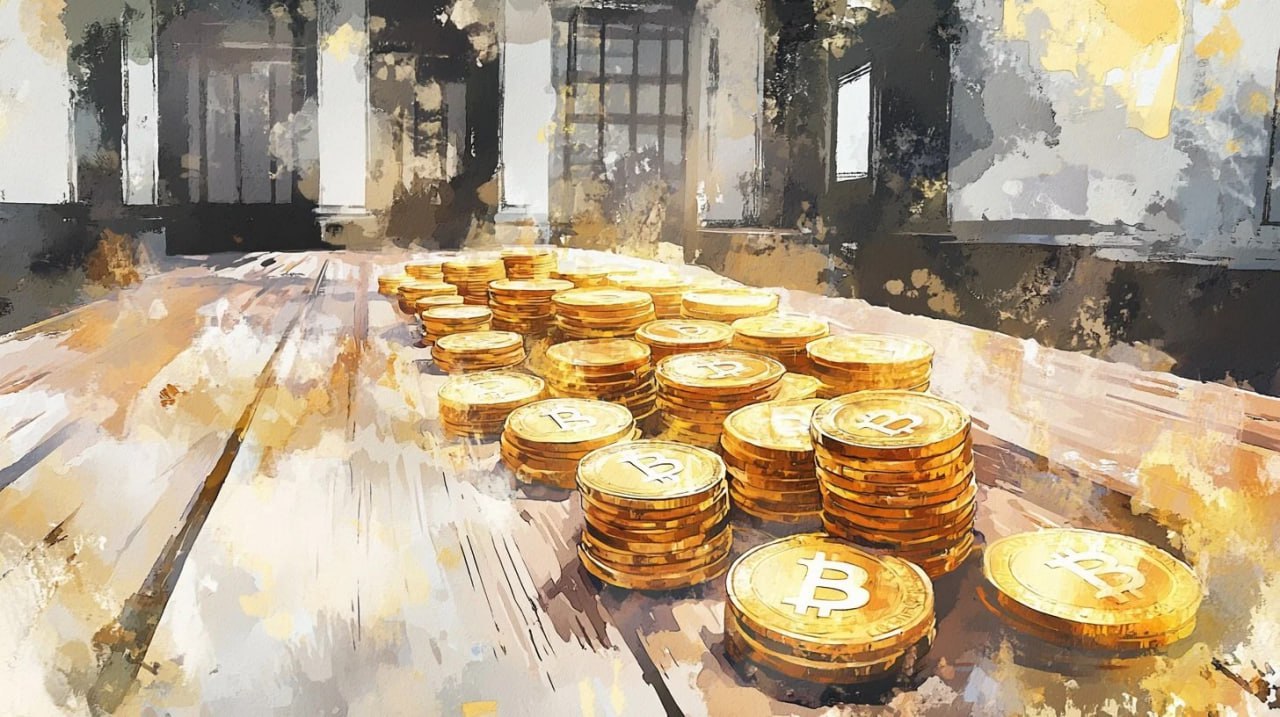
Pump.fun has announced a new $3 million Pump Fund that will finance early-stage projects through a market-driven selection model. Instead of a traditional venture committee, winners will be chosen by users based on demand for the tokens launched within the program.
The fund will distribute $3 million across 12 teams, each receiving $250,000 at a $10 million valuation. Selection will follow a “build in public” format — projects must openly build their product, launch a token, and attract real on-chain users.
“Users are your investors. Those who can win people’s attention gain a kind of power that isn’t available in the traditional model,” the Pump.fun team said.
The program is open to crypto and non-crypto projects at any stage of development. Participants must hold at least 10% of their token supply and build community through X, livestreams, and a public development trail on the Pump.fun platform.
The platform has expanded rapidly over the past two years: it has supported more than 14 million token launches and generated over $1 billion in revenue. Pump.fun now aims to use its scaled infrastructure as a filter to identify teams capable of attracting organic demand quickly.
Experts warn, however, that the model carries risks. Finstep Asia founder Mushir Ahmed argues that the fund needs clearer rules for governance and allocation to avoid favoritism. He noted that although the traditional VC process is subjective, it still includes deep assessment of the team and product.
The Pump.fun model depends on the platform’s ability to distinguish genuine on-chain activity from manipulation; without verification mechanisms, the hackathon format could be exposed to bot-driven traffic.
Apollo Crypto head of research Pratik Kala called the approach interesting and compared it to prediction markets, where market signals act as social proof of interest. But he cautioned that the industry has seen cases where tokens were used as a bootstrapping tool while long-term economic value was later shifted into corporate structures.
Kala emphasized that the model’s success hinges on transparent fund distribution and clarity around how returns flow back to token holders.
The material on GNcrypto is intended solely for informational use and must not be regarded as financial advice. We make every effort to keep the content accurate and current, but we cannot warrant its precision, completeness, or reliability. GNcrypto does not take responsibility for any mistakes, omissions, or financial losses resulting from reliance on this information. Any actions you take based on this content are done at your own risk. Always conduct independent research and seek guidance from a qualified specialist. For further details, please review our Terms, Privacy Policy and Disclaimers.
Articles by this author