Overleveraged oil traders face mass liquidations after crash
A sharp drop in crude prices triggered forced liquidations across NYMEX and ICE, prompting margin calls and position closures by brokers, exchanges and leveraged traders.
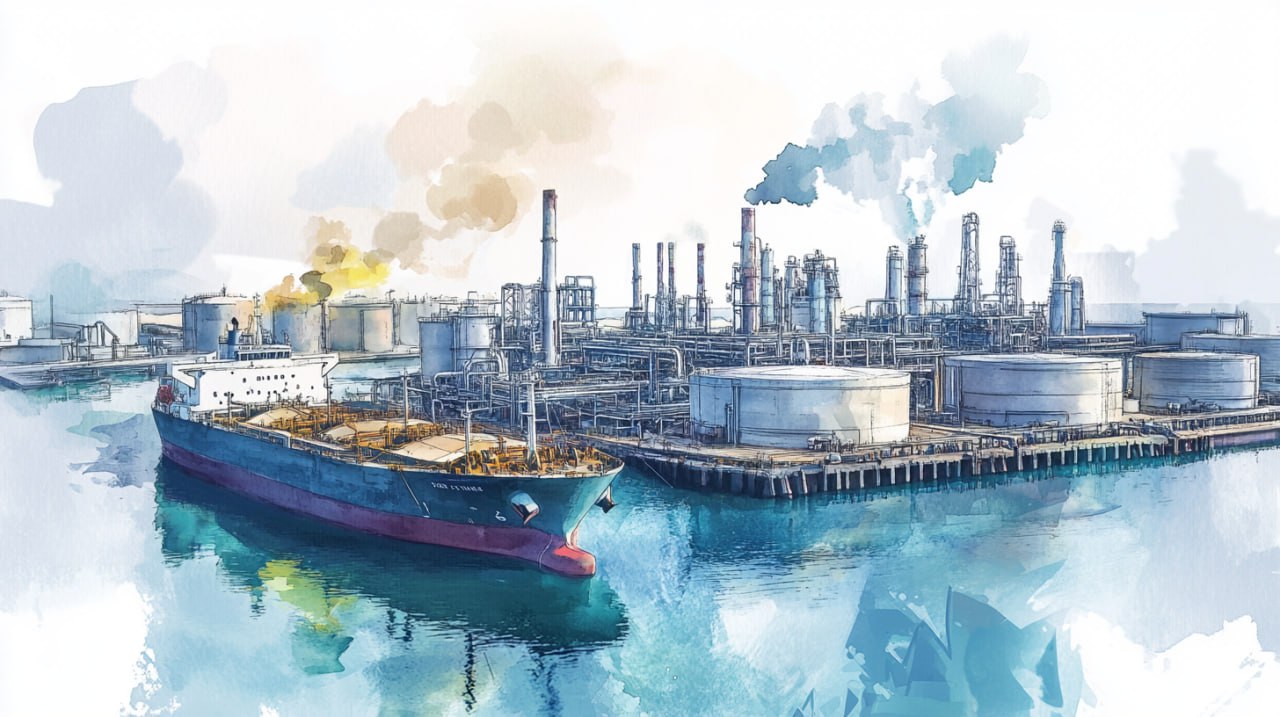
Overleveraged oil traders were hit by mass liquidations after a sharp collapse in crude prices over recent sessions. Brokers and exchanges closed positions across global futures and swaps markets, including NYMEX and ICE, and issued broad margin calls to limit counterparty risk.
Proprietary trading desks, commodity hedge funds and retail accounts holding long positions on borrowed capital faced margin breaches as volatility spiked and liquidity thinned. Automatic sell orders and stop‑loss and liquidation algorithms executed quickly, with some positions squared within minutes.
Exchange margin systems and prime brokers acted to contain losses by issuing margin calls, raising maintenance requirements and carrying out forced liquidations when accounts failed to meet calls. Several brokers temporarily increased margin requirements for new and existing clients.
Trading volumes rose and price swings widened during the liquidations. Options markets saw a sharp rise in implied volatility as market participants hedged remaining exposure. Basis levels and physical differentials shifted while some liquidity providers widened bid‑ask spreads to limit risk.
Market participants pointed to weaker-than-expected demand indicators, a short-term supply overhang from major producers and risk-off flows across other asset markets as drivers of the price decline. In accounts using high leverage, relatively small price moves produced large equity losses and triggered rapid deleveraging.
Clearinghouses reported elevated margin collections to cover cross-margin obligations, and some prime brokers warned clients that further increases in requirements were possible if volatility continued. No industry-wide figure for the total size of the liquidations was available; institutional traders and brokerage sources described significant reductions in leveraged long exposure.
Industry veterans noted that the sector tightened risk controls after the April 2020 episode when West Texas Intermediate briefly traded at negative prices. Those measures have not prevented concentrated liquidation events when liquidity providers pull back and prices move sharply.
Traders and market observers say the pace of further deleveraging will depend on whether crude prices stabilize and on changes to margin requirements in the coming days.
The material on GNcrypto is intended solely for informational use and must not be regarded as financial advice. We make every effort to keep the content accurate and current, but we cannot warrant its precision, completeness, or reliability. GNcrypto does not take responsibility for any mistakes, omissions, or financial losses resulting from reliance on this information. Any actions you take based on this content are done at your own risk. Always conduct independent research and seek guidance from a qualified specialist. For further details, please review our Terms, Privacy Policy and Disclaimers.
Articles by this author