NEAR urges on-chain ownership proofs to counter quantum risk

NEAR warns quantum computers could enable wallet theft unless blockchains add on-chain ownership proofs. NEAR will test FIPS-204 post-quantum signing on testnet and study zero-knowledge proofs.
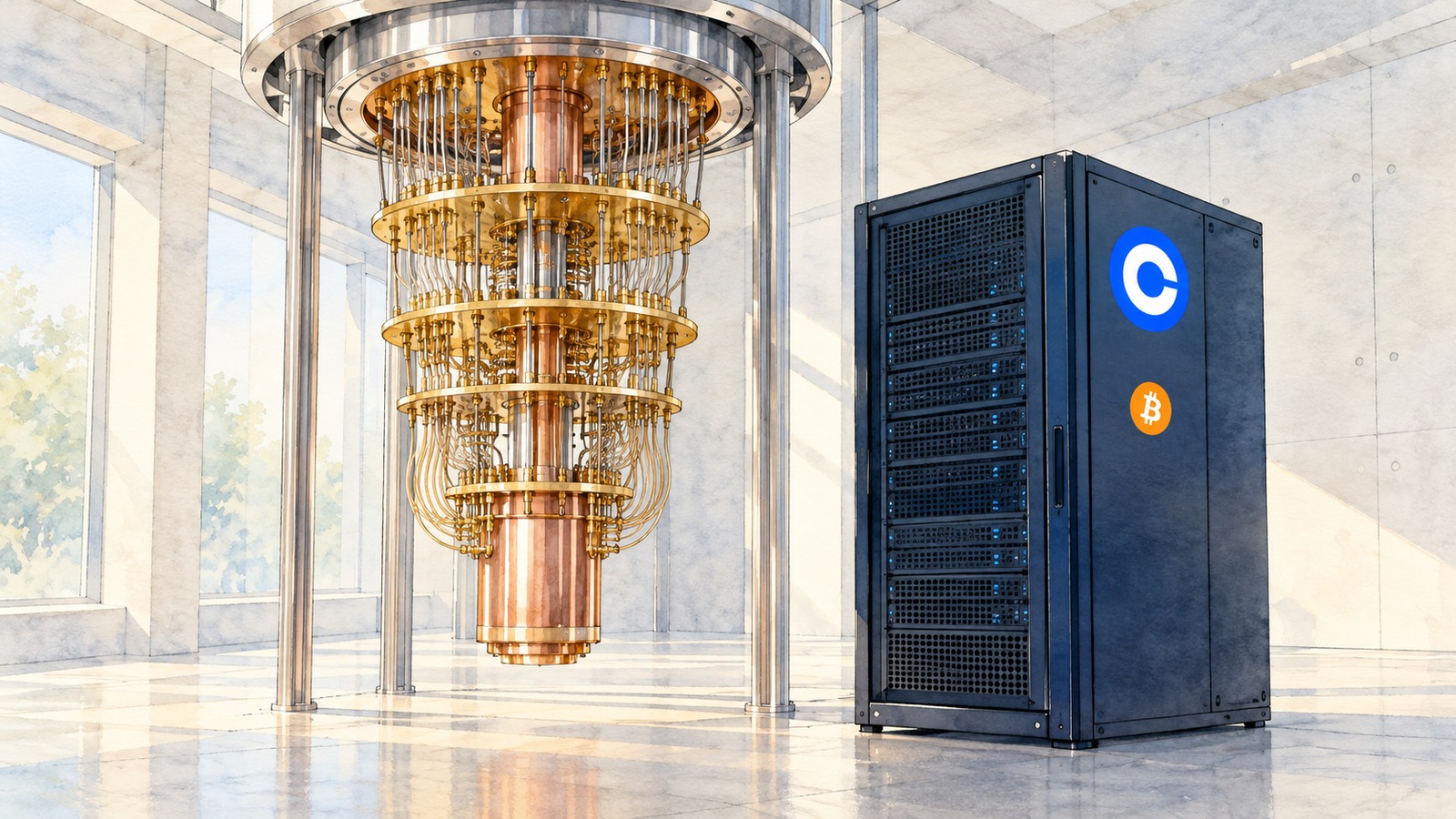
NEAR Protocol’s development and research team warned that quantum computers could enable large-scale wallet theft unless blockchains add ways to verify ownership on-chain. The team plans to test the FIPS-204 post-quantum signing standard on NEAR’s testnet by the end of the second quarter and is researching zero-knowledge methods that would let owners prove control of assets without exposing private keys or seed phrases. NEAR’s layer-1 network currently secures about $137.6 million in user funds.
The alert follows a March study by researchers at Google and the California Institute of Technology that said functional quantum computers could arrive sooner than expected and might need less computing power to break current cryptography. The study said quantum hardware could potentially forge signatures fast enough to enable “on-spend” attacks, where an attacker creates a valid signature and spends funds before the rightful owner can react.
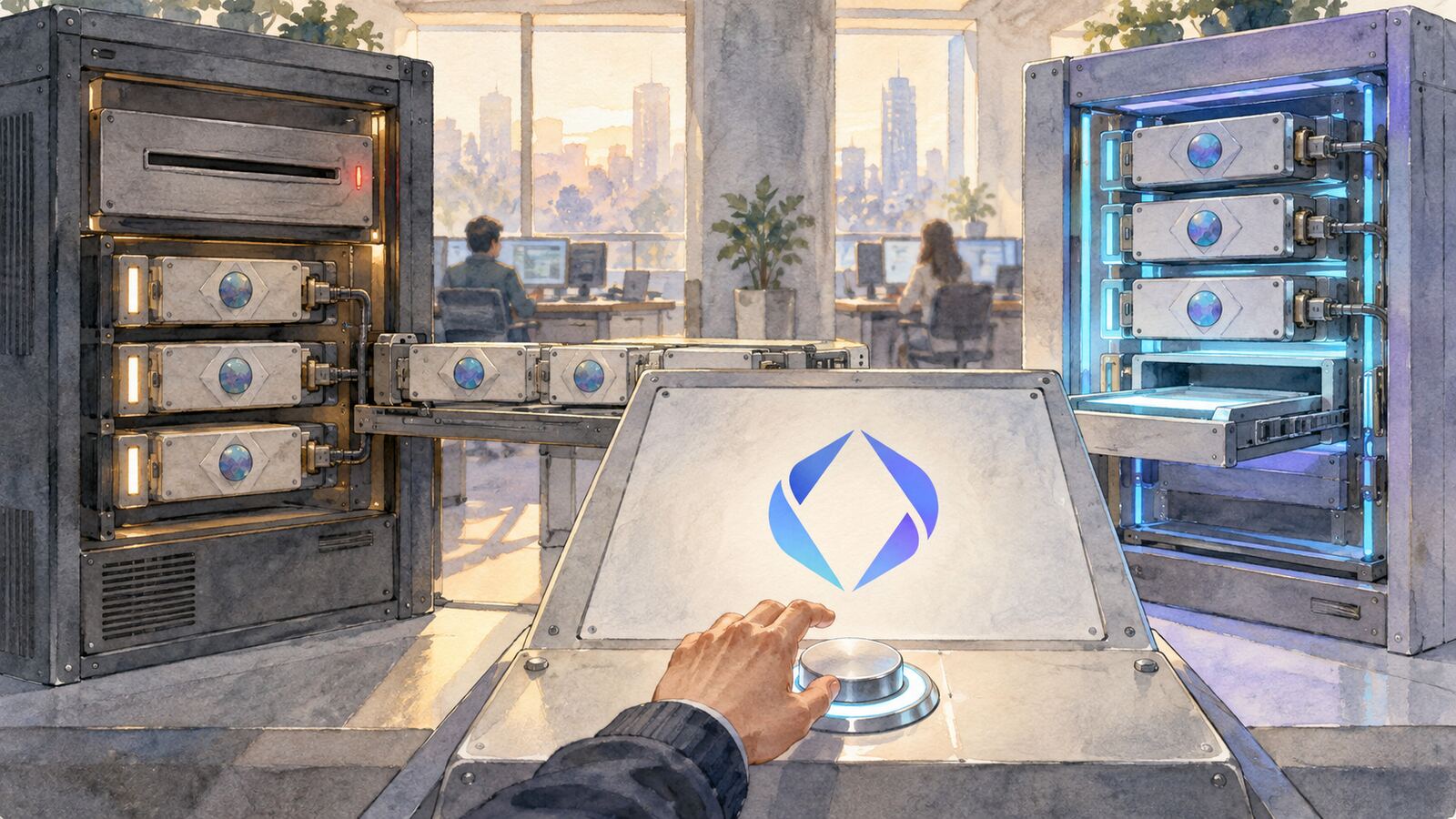
NEAR’s work is focused on two areas: upgrading signing algorithms to quantum-resistant options and adding fast on-chain ownership checks to limit damage if private keys are compromised. FIPS-204, approved by the U.S. National Institute of Standards and Technology, is one of the first standards the team plans to deploy on testnet.
Anton Astafiev, chief technology officer of Near One, warned:
We won’t be able to tell if someone running a transaction is the rightful owner of the asset or not. Protocols will face the challenge of deciding to either block all assets at this moment, or enter a wild west.
He proposed zero-knowledge proofs as a way for owners to demonstrate knowledge of an original seed phrase without revealing it.
Other blockchain projects are pursuing similar defenses. The Ethereum Foundation created a Post-Quantum Ethereum team to prepare for post-quantum security planning by 2029. Two Solana validator clients, Anza and Firedancer, have tested a version of Falcon, a post-quantum signature scheme. The Bitcoin community is reviewing options; Blockstream CEO Adam Back described current quantum devices as mostly laboratory equipment while recommending developers begin planning for quantum-resistant upgrades.
NEAR’s proposal combines post-quantum signatures with on-chain ownership verification and zero-knowledge techniques to limit exposure of private data if advances in quantum computing make current signatures vulnerable. The development team called for cross-ecosystem research to refine technical approaches as quantum threats change.
The material on GNcrypto is intended solely for informational use and must not be regarded as financial advice. We make every effort to keep the content accurate and current, but we cannot warrant its precision, completeness, or reliability. GNcrypto does not take responsibility for any mistakes, omissions, or financial losses resulting from reliance on this information. Any actions you take based on this content are done at your own risk. Always conduct independent research and seek guidance from a qualified specialist. For further details, please review our Terms, Privacy Policy and Disclaimers.
Articles by this author