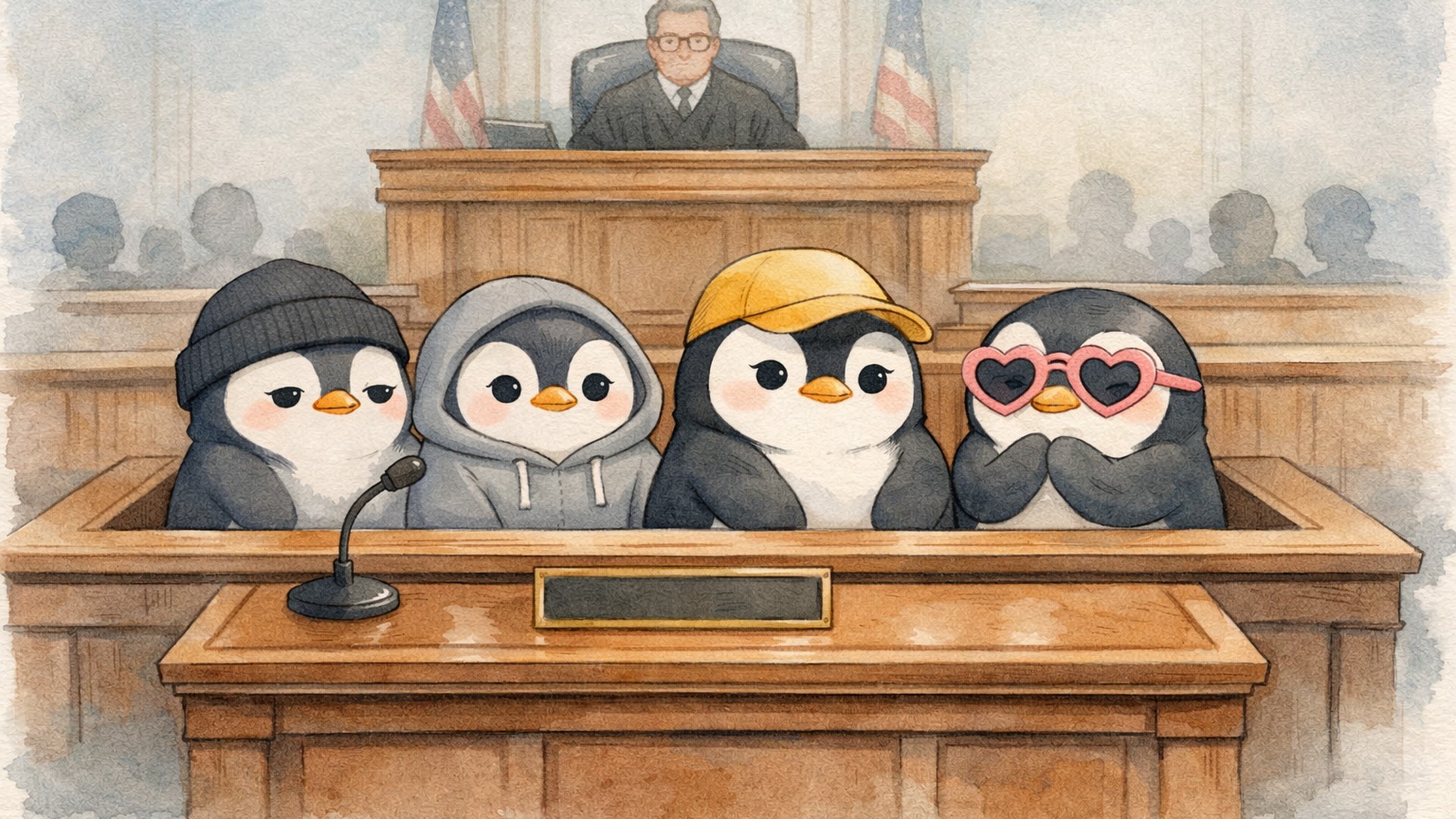
ChatGPT violated copyright on song lyrics – German court

A Munich court found ChatGPT reproduced lyrics from Herbert Groenemeyer and others and ordered OpenAI to pay damages; the ruling is subject to appeal.
On Tuesday, the Regional Court of Munich ruled that OpenAI’s ChatGPT infringed German copyright by reproducing song lyrics from Herbert Groenemeyer and other artists, and ordered the company to pay damages, Reuters reports. The decision covers outputs linked to nine German works and can be appealed.
The case was filed by the music rights society GEMA, which represents composers, lyricists and publishers. The court concluded that OpenAI trained its models on protected content, including Groenemeyer’s “Maenner” and “Bochum,” and that ChatGPT later reproduced parts of those lyrics when prompted. Presiding judge Elke Schwager established liability and damages, without disclosing the amount.
OpenAI maintained that its models do not store or copy specific training data and that any lyric snippets are generated in response to user prompts, making users responsible. The court rejected that view, finding that memorization during training and subsequent reproduction in outputs violate exploitation rights under German law.
GEMA is seeking to open licensing talks. CEO Tobias Holzmueller framed the issue plainly: “The internet is not a self-service store, and human creative achievements are not free templates.” Legal advisor Kai Welp indicated the group intends to discuss remuneration mechanisms with OpenAI.
OpenAI contests the decision and is weighing next steps. “We disagree with the ruling and are considering next steps,” according to a company spokesperson. “The decision is for a limited set of lyrics and does not impact the millions of people, businesses and developers in Germany that use our technology every day.”
The case is drawing attention in Europe as courts and regulators examine how existing copyright rules apply to AI systems trained on large datasets that include music, books and other media.
According to the written judgment, the court did not prescribe technical remedies. Its order sets liability and damages for the identified songs based on unlawful use during training and separate infringement when lyrics were reproduced in chatbot responses.
As GNcrypto covered previously, OpenAI and Anthropic have explored insurance and investor-funded reserves to address growing copyright claims tied to AI training and outputs. In India, major Bollywood music labels moved to join a New Delhi case over alleged unauthorized use of sound recordings for training, reflecting wider scrutiny of music data in AI.
The material on GNcrypto is intended solely for informational use and must not be regarded as financial advice. We make every effort to keep the content accurate and current, but we cannot warrant its precision, completeness, or reliability. GNcrypto does not take responsibility for any mistakes, omissions, or financial losses resulting from reliance on this information. Any actions you take based on this content are done at your own risk. Always conduct independent research and seek guidance from a qualified specialist. For further details, please review our Terms, Privacy Policy and Disclaimers.
Articles by this author