MetaMask vs Trust Wallet comparison: setup, UX, and daily use
We tested MetaMask and Trust Wallet in the same real-world flows, focusing on how quickly you can install and get started, how easy it is to understand signing and approvals, and when one wallet is genuinely more convenient than the other.
MetaMask vs Trust Wallet at a glance
| Category | MetaMask | Trust Wallet | Winner |
|---|---|---|---|
| Overall GNcrypto rating | 4.6 / 5 | 4.5 / 5 | MetaMask (overall) |
| Supported Assets & Networks | 5 / 5 | 5 / 5 | Draw |
| Security & Key Management | 4 / 5 | 4.5 / 5 | MetaMask |
| Transaction Costs & Speed | 3 / 5 | 4 / 5 | MetaMask |
| User Experience & Interface | 5 / 5 | 4.5 / 5 | MetaMask |
| DeFi & dApp Integration | 5 / 5 | 4 / 5 | MetaMask |
| Recovery & Backup Systems | 5 / 5 | 4.5 / 5 | MetaMask |
| Customer Support & Documentation | 5 / 5 | 5 / 5 | Draw |
What each wallet is designed for: purpose, ecosystems, and use cases
Our experience testing both wallets shows that the Trust Wallet vs MetaMask comparison comes down to day-to-day use. The real difference is not the features list on paper, but the default scenario the product is optimized for: browser-based DeFi on EVM or a multi-chain, mobile-first portfolio.
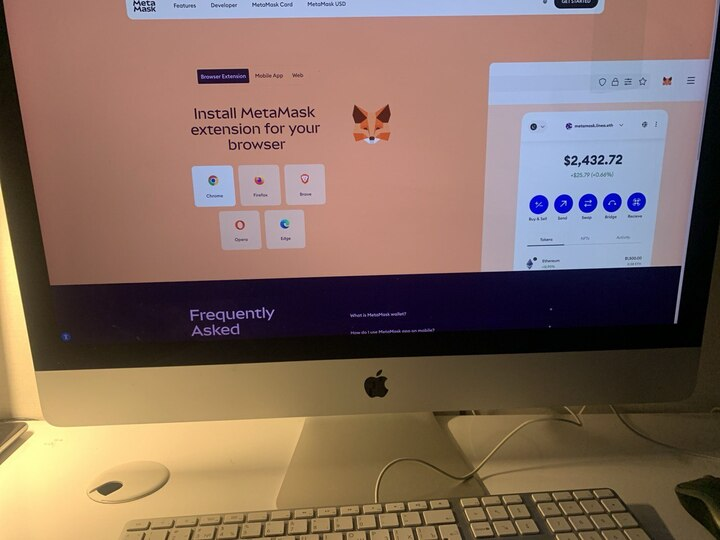
In our test, MetaMask felt strongest inside the EVM ecosystem. If you use DeFi apps on Ethereum and major L2s, this wallet is often the most straightforward pick: dApps recognize it, the connection step is fast, and the confirmation flow quickly becomes familiar.
However, that familiarity can turn into muscle memory. When you sign lots of actions back-to-back, the risk of skipping over approvals increases, and the wallet will not protect you from a bad click.
Trust Wallet, by contrast, felt more portfolio-first. For us, it worked as a general wallet for holding and managing assets across multiple networks, especially if you care about a mobile setup. That is convenient when you have a mixed set of coins and tokens and want one app without constantly configuring networks.
But there is a trade-off. For browser-based DeFi, compatibility and predictable connections matter, and MetaMask often wins simply because many EVM dApps treat it as the default wallet.
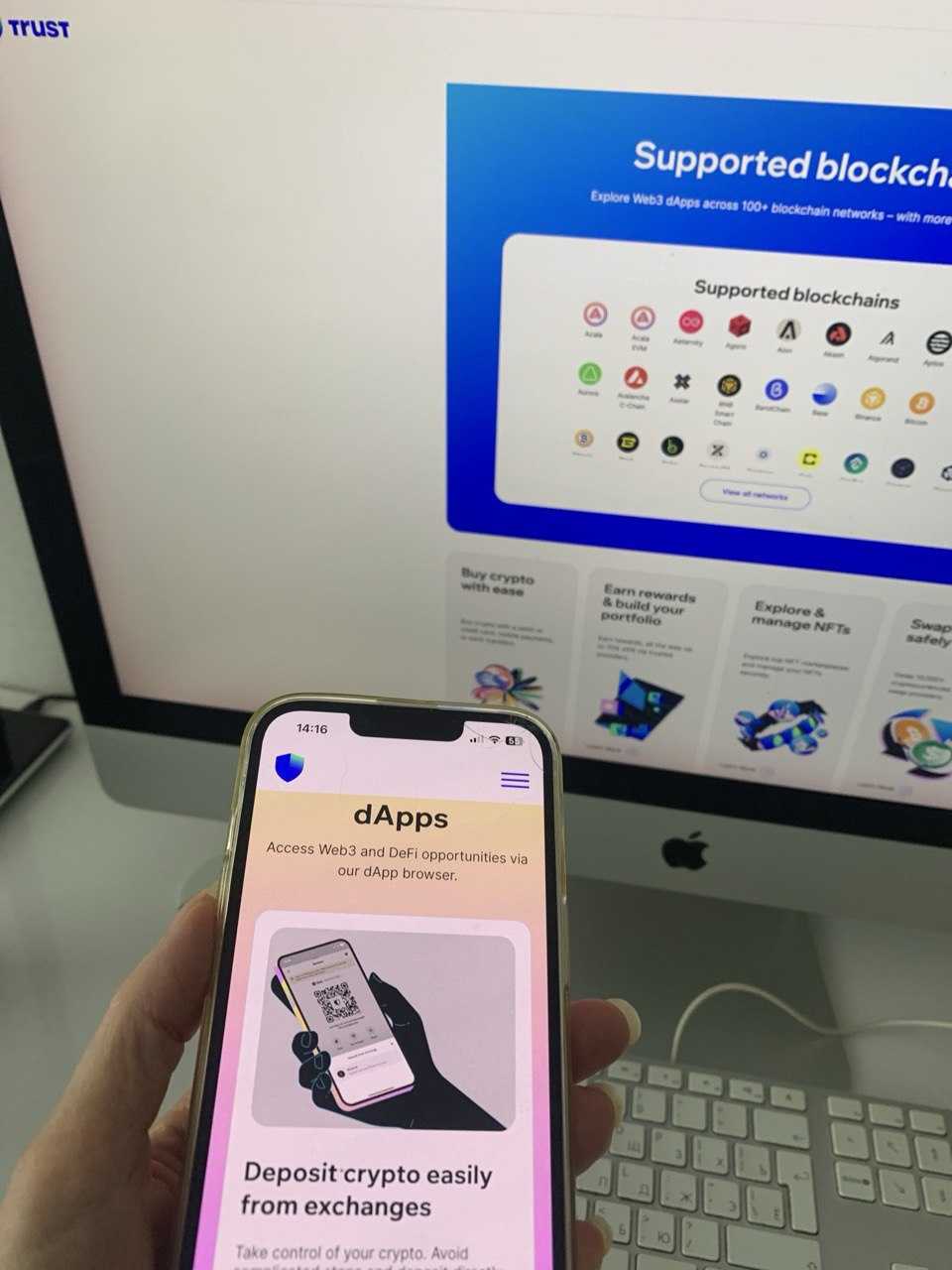
That is why MetaMask is usually chosen as a primary tool for EVM and web DeFi, while Trust Wallet fits better as a mobile, multi-chain vault for portfolio management.
Security & self-custody comparison: keys, backups, and risk points
To get at the real answer to Trust Wallet vs MetaMask which is better, we started with practical basics: setup, local security controls (password, biometrics, auto-lock), backup methods, and the restore process on a new device.
In both cases, this is true self-custody. Your private keys and seed phrase are not recoverable through support. If you lose control of them, both wallets are equally unforgiving.
Below are the scenarios we tested in both wallets, with brief takeaways for each.
- Creation flow and the first time you see the seed phrase. In MetaMask, we saw the seed phrase after basic onboarding, and the interface slows you down with warnings so you do not skip key steps on autopilot. It clearly assumes the user will act responsibly.
In Trust Wallet, the seed phrase shows up just as quickly during mobile onboarding, but the tone feels more portfolio-focused and less strict. We also noticed prompts that steer users toward easier cloud backups, which is worth treating as an extra risk surface. - Local protection. In the MetaMask browser extension, you rely on an extension password plus auto-lock. On mobile, protection depends on your phone settings (biometrics or passcode) and the lock timer. In practice, it only helps if you use a strong password and keep basic device security enabled. In Trust Wallet, local protection feels more native: access is tied to device biometrics or passcode plus auto-lock, which is convenient for day-to-day portfolio use. The downside is the same as with any mobile wallet: if your phone or cloud account is compromised, your chances of keeping funds intact drop fast.
- Backup and restoring on a new device. In our test, MetaMask offered the standard recovery flow using the seed phrase. The upside is predictability, the downside is that any loss or leak of the seed phrase is effectively irreversible. Trust Wallet also restored cleanly via the seed phrase, but its beginner-friendly strength is simplified backup options. The trade-off is also clear: more convenience means more risk.
- Signing and approvals. In MetaMask, the prompt-based flow makes confirmations fast and familiar. With high activity, though, that flow can slip into routine, increasing the risk of approving more than you intended. What we liked more about Trust Wallet was the clarity of the details right before confirmation, and how easy it was to understand what an action actually does. The principle is the same for both wallets: if you approve actions on autopilot, support will not reverse your transaction.
Overall, both wallets can be used safely if you store your seed phrase offline, enable auto-lock, and pause before every confirmation. MetaMask is usually more convenient for EVM and dApps. Trust Wallet is often simpler as a mobile, multi-chain wallet, but cloud backups should only be enabled if you have strong account hygiene and disciplined password practices.
Supported chains & assets: coverage and the “cost” of going multi-chain
We compared Trust Wallet vs Metamask features around the most practical question: which networks and assets are genuinely easy to manage “in one place,” and when multi-chain turns into constant switching, manual adds, and avoidable confusion.
Here are our brief takeaways for each:
- Out-of-the-box network coverage. In our test, MetaMask handled typical EVM needs without much friction. But if you hold Bitcoin or altcoins outside the Ethereum ecosystem, you may need a second wallet or extra setup. In a broader multi-chain test, Trust Wallet felt more capable out of the box.
- Adding networks and token visibility. In MetaMask, we added networks via RPC, which gives access to most EVM networks. The downside is that performance depends on the RPC provider, and some tokens still need to be added manually to display correctly. In Trust Wallet, networks are available without manually assembling parameters, so getting started is faster and simpler. With a larger portfolio, though, you have to watch the context more closely so you do not mix up same-named assets across different chains.
- Sending assets and the risk of choosing the wrong network. MetaMask clearly shows which network you are on (Ethereum, Base, and so on) before you send. That helps you keep transfers under control, but it also means you have to switch networks more often. Most mistakes happen when you forget to change networks or use the wrong route. In Trust Wallet, you often choose the network right in the send form (for example, the same token across different networks). That creates a real risk of picking the wrong network and paying unnecessary fees.
Trust Wallet vs MetaMask: which should you choose?
If you want a portfolio-first wallet with simple multi-chain basics
Choose: Trust Wallet
Trust Wallet is a strong default for everyday holding and sending across multiple networks. Setup is fast, basic actions work without manual network configuration, and the mobile experience is built around viewing and managing a multi-chain portfolio.
If you want predictable browser-based DeFi connections and EVM breadth
Choose: MetaMask
MetaMask is still the standard for most EVM DeFi dApps, so connections through the browser extension are usually more predictable. It also offers broad EVM compatibility and familiar flows across major chains and L2s.
If you mainly need quick sending and simple asset management
Choose: Trust Wallet
Trust Wallet works well when your main goal is simple asset management. Sending is convenient, but choosing the network inside the send flow increases the risk of selecting the wrong network, especially when you move fast. If you enable cloud backups, account security matters even more, since you rely on your backup account protections.
If you want maximum network flexibility and advanced customization
Choose: MetaMask
MetaMask is a better fit when you expect to use multiple EVM chains and L2s and want control over network configuration. It is easy to add custom networks via RPC and switch between them quickly. If you need non-standard features, Snaps can extend MetaMask without forcing you to switch wallets.
How we test hot crypto wallets
At GNcrypto, we put transparency first when evaluating hot cryptocurrency wallets. Our reviews are based on hands-on testing and thorough analysis across all key dimensions that matter for self-custody and daily crypto use.
We do not audit wallet code or guarantee security against all attack vectors. Instead, our scores reflect usability, feature completeness, and observable security practices. We do not accept payment for ratings or modify scores based on partnerships.
The material on GNcrypto is intended solely for informational use and must not be regarded as financial advice. We make every effort to keep the content accurate and current, but we cannot warrant its precision, completeness, or reliability. GNcrypto does not take responsibility for any mistakes, omissions, or financial losses resulting from reliance on this information. Any actions you take based on this content are done at your own risk. Always conduct independent research and seek guidance from a qualified specialist. For further details, please review our Terms, Privacy Policy and Disclaimers.
Articles by this author