MetaMask vs Best Wallet: side-by-side wallet comparison
We tested MetaMask vs Best Wallet side by side, comparing security, supported networks, fees, and everyday UX so you can choose a primary crypto wallet with confidence.
Based on our testing of two non-custodial wallets for everyday Web3 use, we reached the following conclusion: if proven security, broad dApp compatibility, and a familiar browser extension matter most, MetaMask is the safer baseline choice. If you prefer an all-in-one mobile app with multichain support, a built-in portfolio, and earning tools in a single interface, Best Wallet is the better option to consider. Here’s how these two wallets compare across key features.
MetaMask vs Best Wallet at a glance
| Category | MetaMask | Best Wallet | Winner |
|---|---|---|---|
| Overall GNcrypto rating | 4.6 / 5 | 3.8 / 5 | MetaMask (overall) |
| Security & key management rating | 4 / 5 | 3 / 5 | MetaMask |
| Supported assets & networks rating | 5 / 5 | 4 / 5 | MetaMask |
| Transaction costs & speed rating | 3 / 5 | 4 / 5 | Best Wallet |
| User experience & interface rating | 5 / 5 | 4 / 5 | MetaMask |
| DeFi & dApp integration rating | 5 / 5 | 4 / 5 | MetaMask |
| Recovery & backup systems rating | 5 / 5 | 3 / 5 | MetaMask |
| Customer support & documentation rating | 5 / 5 | 5 / 5 | Draw |
Two different approaches to Web3 access
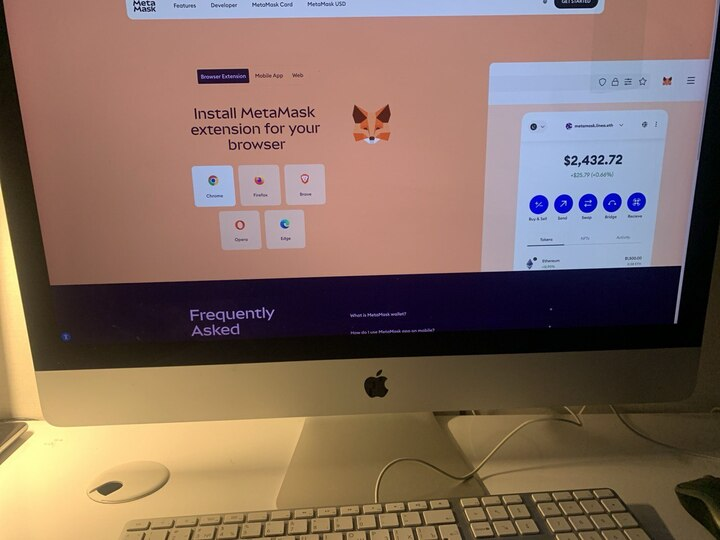
MetaMask and Best Wallet take different approaches to Web3. Based on our observations, MetaMask is a classic browser extension and mobile wallet for EVM networks. You connect it to dApps, sign transactions, and manage your own seed phrase and private keys. It is minimalist and technical, with broad network support, manual RPC setup, and direct interaction with DeFi and NFT marketplaces. The interface can feel parameter-heavy at times, but it provides full control over accounts and transaction signing.
Best Wallet, based on our testing, targets a broader audience. It is a mobile-first, multichain wallet built around convenience. Users get a unified cross-chain portfolio, built-in swaps, Earn products, and the ability to buy crypto with a card. Instead of dozens of manual settings, the interface focuses on ready-made actions such as buy, send, swap, and earn. This lowers the entry barrier but hides some advanced operations behind the interface layer.
As a result, the better choice between MetaMask vs Best Wallet depends on your workflow. If you want granular control over transactions, networks, gas settings, and dApp connections, MetaMask offers more hands-on management and remains familiar to experienced Web3 users. If you prefer an easier entry point, a clean mobile interface, and additional services beyond basic storage, Best Wallet is the more practical option.
Chain compatibility and ecosystem reach
To choose a winner in the Best Wallet vs MetaMask comparison, we focused not on the brand but on where these wallets actually work. MetaMask grew out of the Ethereum ecosystem and feels native there. By default, it supports Ethereum and major EVM networks such as Arbitrum, Optimism, BNB Chain, and Polygon, while other networks can be added via custom RPC. For DeFi, NFT marketplaces, and dApps across the EVM ecosystem, it is effectively the standard wallet, with most contracts designed to work with MetaMask out of the box.
Best Wallet takes a different approach. It is a mobile-first, multichain wallet designed from the outset as a single interface for dozens of networks.
It allows users to hold and transfer tokens on Ethereum and other EVM chains, as well as networks such as Bitcoin and Solana. The platform claims support for more than 60 blockchains and focuses on showing the entire portfolio in one app, without switching wallets or manually adding network addresses.
If our use case were DeFi, NFTs, and work within the Ethereum ecosystem and its L2s, MetaMask would be the better fit. It is deeply integrated into these protocols and familiar to most dApps. If, instead, we held a diverse set of assets across many networks and wanted a single mobile control center with analytics and multichain support, Best Wallet would be more practical. To decide what suits you, start from your own needs.
Daily wallet features compared
In everyday use, MetaMask and Best Wallet solve the same core tasks: storing, sending, and receiving tokens. However, the set of built-in tools and how they are organized in the interface differ noticeably. We felt this clearly during the first week of using each wallet.
During our MetaMask testing, we noted the following features:
- Built-in token swaps directly in the wallet.
- Fiat on-ramps through payment partners, including cards and Apple Pay.
- EVM network management: Ethereum, BNB Chain, Polygon, Arbitrum, and custom RPCs.
- A dedicated section for NFT collections.
- Support for hardware wallets such as Ledger and Trezor.
- The MetaMask Portfolio dashboard with an overview of tokens, DeFi, and NFTs.
- Staking for supported assets through the wallet interface.
The wallet felt like a fully fledged Web3 platform. It offers deep customization, flexible network control, and granular settings, but expects the user to understand fees, gas mechanics, and how dApps work.
Best Wallet, by contrast, offered the following functionality:
- Support for many networks in a single app, including EVM chains and major L1s.
- A built-in DEX aggregator that selects the best rate across multiple decentralized exchanges.
- An Earn and Stake section for generating yield on popular coins and stablecoins.
- Token scanning and scam protection, with warnings for suspicious assets.
- Portfolio analytics, including asset allocation, PnL, and on-chain activity tracking.
- Simplified dApp connections via WalletConnect and quick network selection.
It feels more like a crypto super app. It aims to combine storage, analytics, and trading in one place, while keeping the interface accessible to beginners.
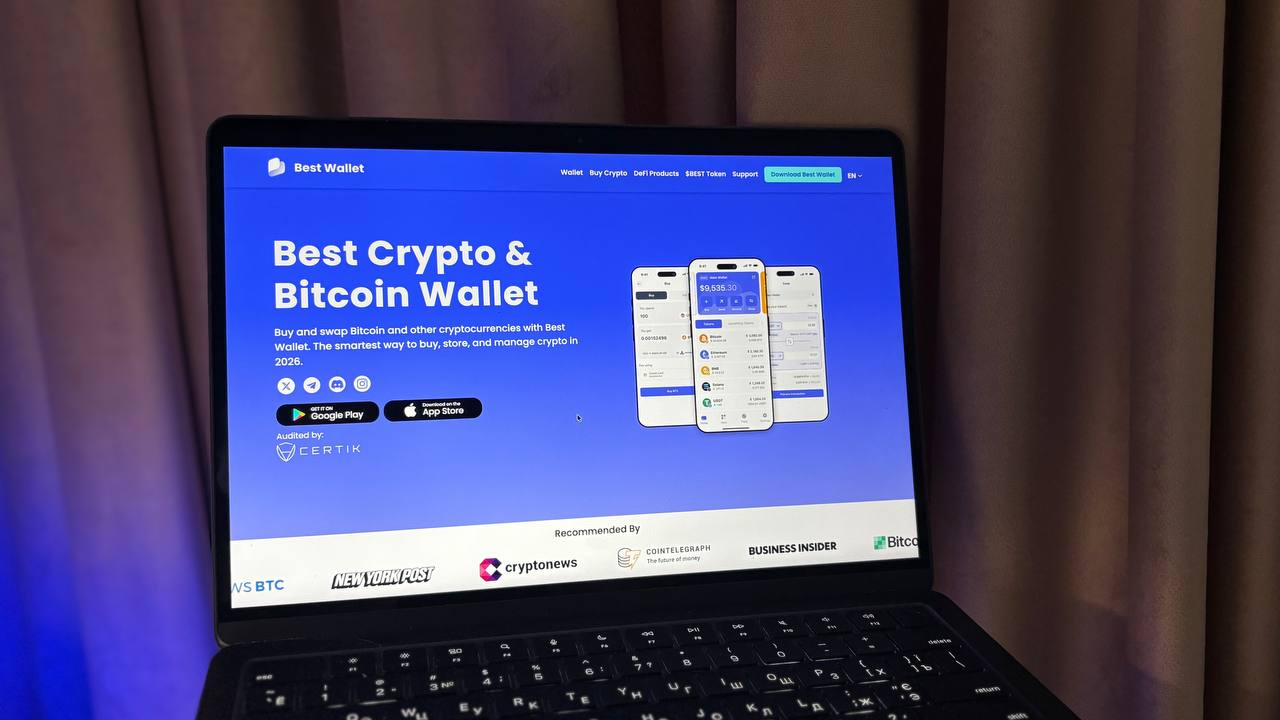
Our verdict: the MetaMask vs Best Wallet choice depends on your actual needs. If you want maximum control over networks and a familiar workflow for DeFi operations, MetaMask remains the baseline choice. If multichain support, built-in analytics, and stronger protection against low-quality tokens matter more in daily use, Best Wallet feels more convenient and cohesive.
MetaMask vs Best Wallet – which should you choose?
If you’re a beginner or first-time Web3 user
Choose: Best Wallet
Best Wallet is more convenient for a first experience. The app guides users step by step, shows portfolio structure, and warns in advance about suspicious tokens and contracts. Manual settings are kept to a minimum, and core actions like buying, swapping, and staking sit on a single screen. For moving from an exchange to self-custody, this is a smoother transition with less friction around networks and gas.
If you’re an active DeFi or NFT trader
Choose: MetaMask
MetaMask is deeply embedded in the ecosystem. Most DeFi protocols, NFT marketplaces, and new L2s are tested with it first. The wallet allows detailed control over networks, gas limits, and hardware wallet connections, which makes it suitable for active trading and larger balances. If you regularly sign transactions across different dApps, MetaMask offers the widest compatibility.
If you mainly want a multi-chain portfolio hub
Choose: Best Wallet
Best Wallet is stronger as a portfolio center. It shows asset allocation across networks, staking yields, and transaction history in a single dashboard. Popular coins come with ready-made earn options, and switching between networks does not require manual RPC setup. If a clear overview matters more than fine-grained control, this format saves time.
If you want maximum ecosystem reach and flexibility
Choose: MetaMask
MetaMask stands out for ecosystem breadth. It works in browsers and on mobile, supports dozens of EVM networks, and allows any custom connection, from testnets to niche L2s. It is easier to access early-stage protocols that are not yet integrated into larger wallets. If you want to test new chains, farming strategies, or NFT platforms, MetaMask provides the most flexibility.
How we tested MetaMask vs Best Wallet
We evaluated MetaMask and Best Wallet using the same GNcrypto hot-wallet methodology. That way, the comparison reflects how both wallets behave in real use, not just what’s written in the marketing pages.
The framework covers seven criteria: Security & Key Management, Supported Assets & Networks, Transaction Costs & Speed, User Experience & Interface, DeFi & dApp Integration, Recovery & Backup Systems, and Customer Support & Documentation. Each criterion gets a 1–5 score. To rate them, we installed the browser extensions and mobile apps, created and restored wallets, sent tokens, connected to dApps, interacted with NFTs, and checked how clearly each wallet explains risks and backup steps.
After that, we normalized the scores into a single total rating. Within this framework, MetaMask scores 4.6 out of 5 for strong key management, broad network support, and a mature Web3-first interface. Best Wallet comes out at 4.3 out of 5: it’s simpler and more beginner-friendly, with a stronger focus on ease of use and fees, but it still trails MetaMask in depth of integrations and network coverage.
The material on GNcrypto is intended solely for informational use and must not be regarded as financial advice. We make every effort to keep the content accurate and current, but we cannot warrant its precision, completeness, or reliability. GNcrypto does not take responsibility for any mistakes, omissions, or financial losses resulting from reliance on this information. Any actions you take based on this content are done at your own risk. Always conduct independent research and seek guidance from a qualified specialist. For further details, please review our Terms, Privacy Policy and Disclaimers.
Articles by this author