Best alternative MetaMask wallets for security and UX in 2026
Are you searching for the best MetaMask alternative for better security and smoother UX? We tested the top contenders to help you find a wallet that actually protects your assets.
For most of us, MetaMask was the first wallet we ever installed. It is the “Google Chrome” of crypto – ubiquitous, reliable enough, and supported by every dApp under the sun. It unlocked the world of DeFi and NFTs for millions of users.
But as the ecosystem has evolved, MetaMask has struggled to keep up. If you trade frequently, you know the frustrations: blindly signing complex transactions without knowing exactly what they do, manually adding RPC networks every time you switch chains, or simply dealing with a user interface that feels like it hasn’t changed since 2018.
While it is still a solid choice for beginners, it isn’t always the best fit for active users who need more control and better safety rails. That’s why we decided to look elsewhere. We wanted to find an alternative to MetaMask that doesn’t just hold keys but actively protects the user – one that decodes transactions into human-readable language and manages multi-chain assets without the headache.
Below, we’ve put together a list of the best wallets that have the guts to compete. These are the tools we use and recommend when you are ready to graduate from the “default” option.
Why look beyond MetaMask?
While MetaMask kickstarted the Web3 revolution, its dominance has bred stagnation. For many users, it has become the “Internet Explorer” of crypto – necessary to get started, but frustrating to use daily. The decision to switch usually boils down to four critical pain points that newer wallets have solved.
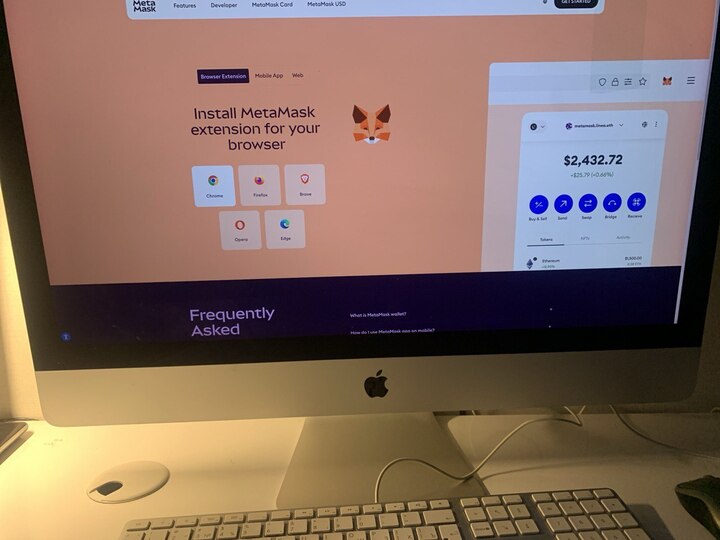
The “blind signing” risk
The biggest danger in Web3 is signing a transaction you don’t understand. MetaMask often presents users with raw data strings or vague confirmation screens.
- The problem: You are essentially trusting the dApp not to drain your wallet because MetaMask doesn’t translate the code into human language.
- The limitation: It lacks native, pre-transaction simulation. Newer MetaMask alternatives like Rabby or Phantom simulate the transaction before you sign, explicitly telling you: “You are giving this contract permission to move 500 USDC” rather than just showing a hex code.
MetaMask was built for the Ethereum mainnet. As the ecosystem expanded to L2s (Arbitrum, Optimism) and sidechains (Polygon, BSC), MetaMask’s architecture struggled to keep up.
- The problem: You have to manually add RPC networks and switch between them. If you are on the Polygon network and try to use an Optimism dApp, the wallet forces you to manually approve the switch every single time.
- The limitation: It treats every chain as an island. You cannot see your total net worth in one glance; you have to click through networks one by one to find where your money is hiding.
Privacy & data collection
In 2022, ConsenSys (MetaMask’s parent company) updated its privacy policy, confirming that when you use their default RPC provider (Infura), they collect your IP address and wallet address.
- The problem: This links your real-world identity (IP) to your financial history (wallet), shattering the illusion of privacy.
- The limitation: While you can change RPC providers to avoid this, it requires technical know-how that most average users lack, leaving their data exposed by default.
Moreover, MetaMask is notoriously bad at detecting new tokens and NFTs automatically. Imagine: you just bought a meme coin or minted an NFT, but it doesn’t show up. You have to go to a block explorer, find the contract address, and manually “Import Token” just to see your own assets. It lacks a native “Portfolio” view inside the extension. Competitors now auto-index your wallet, displaying every token and NFT across all chains immediately without manual input.
Best alternatives by use case
There is no such thing as a “perfect” wallet, only the right tool for the job. While MetaMask attempts to cover every base, its competitors have focused on mastering specific niches. Finding the best MetaMask alternative requires identifying exactly where the industry standard falls short for you – whether you need bulletproof security simulation, seamless cross-chain swaps, or a mobile-first experience.
We have broken down the top contenders based on their strongest advantages, helping you choose a wallet that upgrades your specific workflow rather than just replacing it.
Guarda Wallet
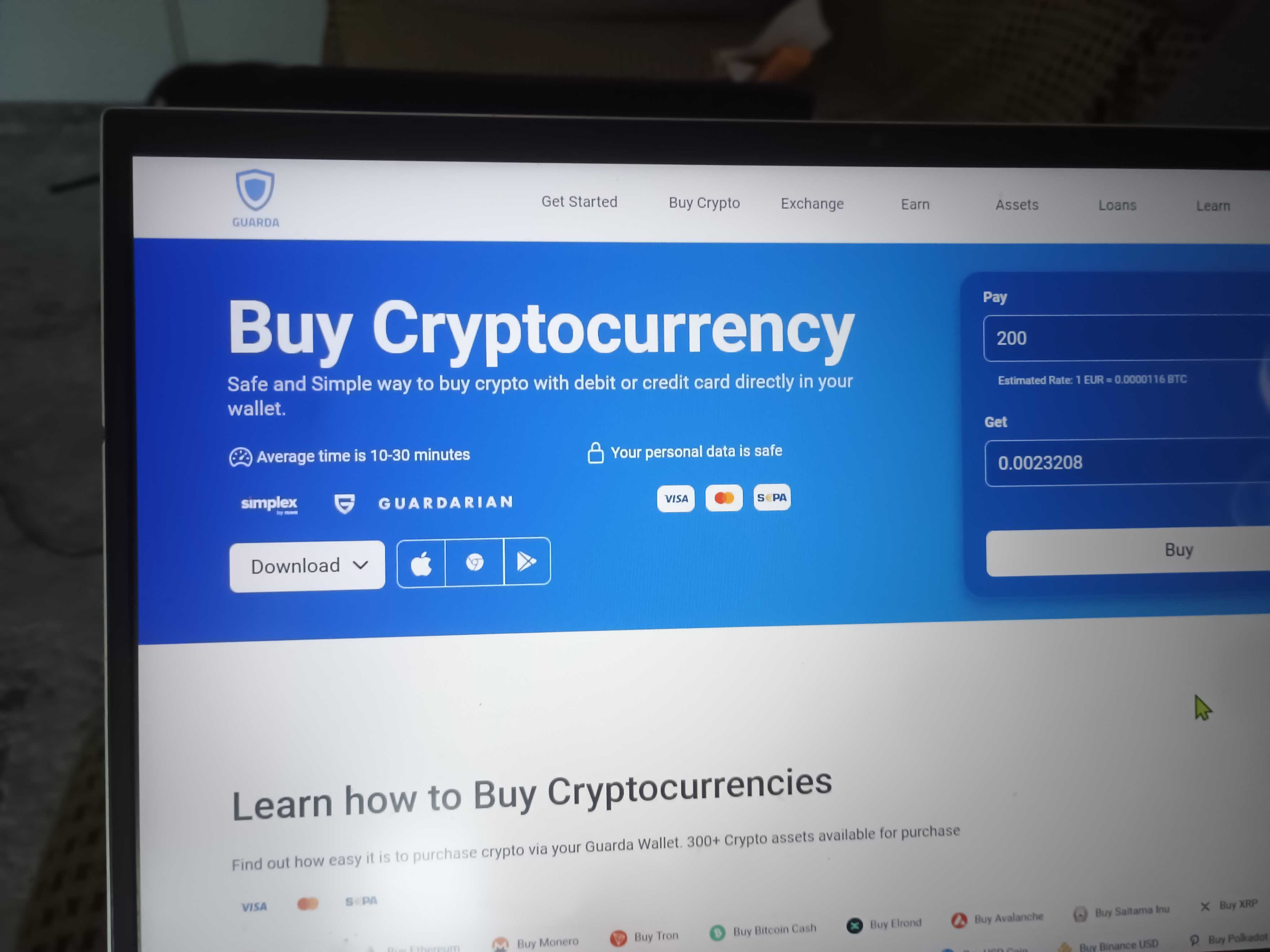
If your portfolio looks like a “Noah’s Ark” of crypto – holding a little bit of everything from Bitcoin and Ethereum to Monero and Zcash – Guarda is your best alternative. While MetaMask confines you to the EVM world, Guarda is a “maximalist” vault designed to handle over 50 blockchains natively. It trades the sleek, automated feel of modern Web3 wallets for raw utility, giving you a single interface to manage privacy coins and major assets without ever creating an account.
Benefits
The wallet’s superpower is its “Omnivore” asset support: it natively handles over 400,000 tokens and 50+ blockchains, including “hard” privacy coins like Monero (XMR) that most competitors ignore. It offers true cross-platform sovereignty, allowing you to sync between Desktop (Linux/Windows/MacOS) and Mobile via an encrypted backup file rather than a cloud login, ensuring your keys never leave your device. Additionally, its native staking feature runs on Guarda’s own validators, letting you earn yield on assets like ETH and ATOM with a single click.
Limitations
The convenience comes at a cost. The built-in exchange charges a “convenience tax” with spreads of 0.5% to 1.0%, and buying crypto with fiat can incur fees as high as 5.5%. The user experience can also feel dated; unlike modern wallets that auto-detect every meme coin you own, Guarda often requires you to manually import token contracts to see your balances.
Best for
“Portfolio Maximalists” and privacy enthusiasts who need a single non-custodial home for Bitcoin, Monero, and Ethereum.
Strengths:
- Omnivore support: Natively supports 50+ chains, including rare privacy coins like Monero and Zcash.
- Native staking: Runs its own validators for “one-click” yield on ETH, ADA, and ATOM.
- Clean security record: Has maintained a hack-free history since 2017, surviving industry-wide stress tests.
- True privacy: No accounts, no KYC for storage, and offline backup synchronization.
Weaknesses:
- High fee structure: Fiat on-ramps cost up to ~5.5%, and swaps carry a 0.5–1% spread.
- Manual management: Does not auto-detect new tokens effectively, requiring manual contract imports.
- Dated UX: The interface struggles with complex DeFi tasks compared to specialized Web3 wallets.
Phantom
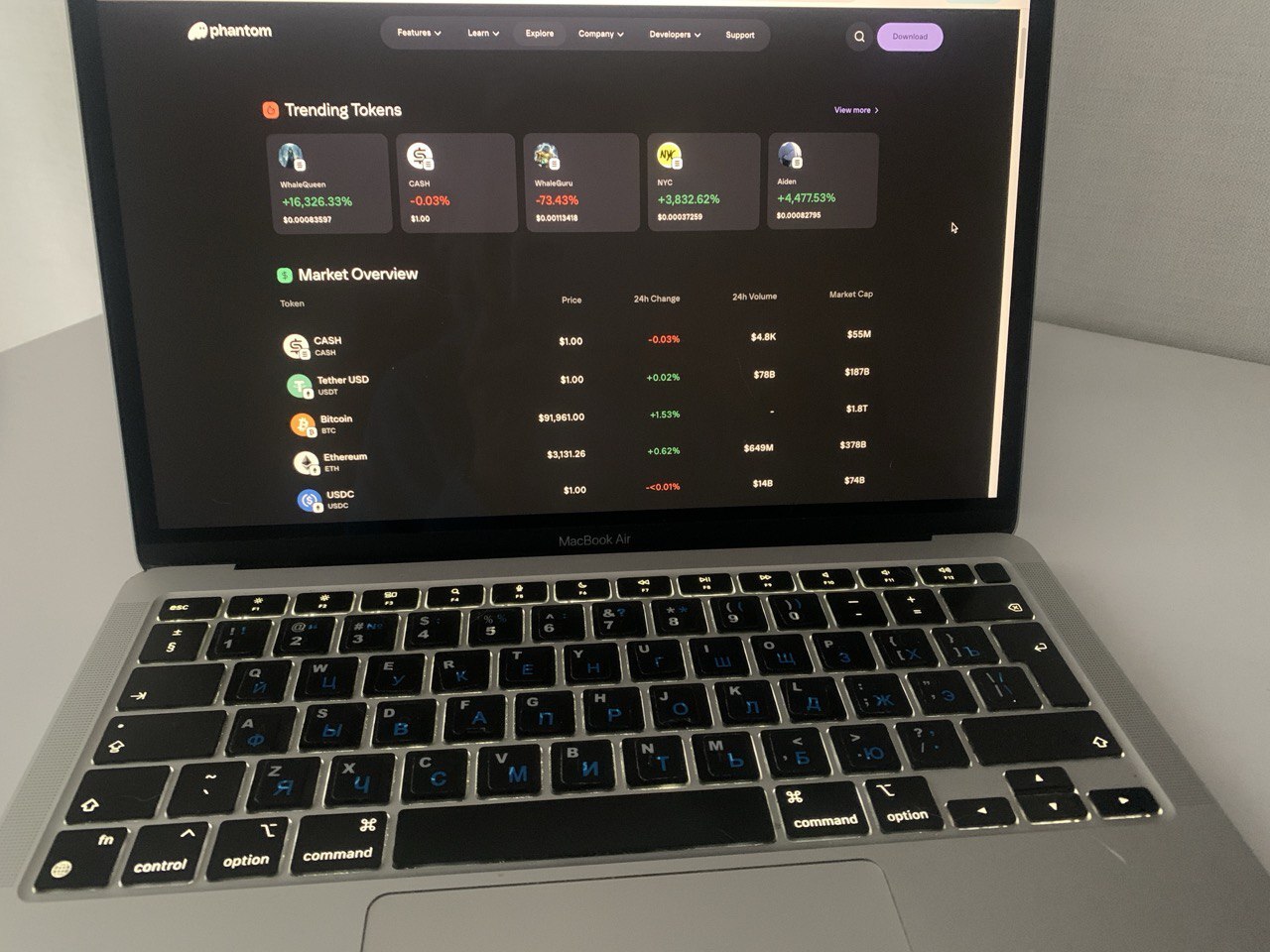
Originally the king of Solana, Phantom has evolved into a multi-chain powerhouse that arguably offers the best user experience of any MetaMask alternative on the market. If MetaMask feels like a clunky developer tool, Phantom feels like a modern consumer app. It brings the buttery-smooth UI of Solana to Ethereum, Bitcoin, and Polygon, making it the perfect choice for users who value design and safety over infinite network customization.
Benefits
Phantom’s “killer feature” is its human-readable transaction simulation: before you sign anything, it shows you exactly what is leaving your wallet and what is coming in, flagging risky permissions in plain English. It simplifies cross-chain management by allowing you to view Solana, Ethereum, Bitcoin, and Base assets in a single dashboard without manually switching networks. For mobile users, the “gasless swap” feature is a game-changer, deducting fees from the token you are swapping rather than requiring you to hold native ETH or SOL for gas.
Limitations
The biggest downside is its incomplete EVM support. As of 2026, it still lacks support for major Layer 2s like Arbitrum, Optimism, and Avalanche, meaning you will still need another wallet for those chains. Additionally, the convenience of the built-in swap and bridge comes with a hefty 0.85% service fee on top of gas, which adds up quickly for frequent traders.
Best for
Solana-heavy users and NFT collectors who want a beautiful, safe interface for Ethereum and Bitcoin.
Strengths:
- Safety previews: Simulates transactions to show exact outcomes and warnings before you sign.
- Multi-chain dashboard: View SOL, ETH, BTC, and MATIC assets in one place without switching networks.
- Spam protection: Automatically filters scam NFTs and includes a “Burn” tool to remove them safely.
- Seedless onboarding: Optional Google/Apple login allows setup in under 90 seconds for beginners.
Weaknesses:
- Limited EVM chains: Lacks support for Arbitrum, Optimism, BSC, and Avalanche.
- High swap fees: Charges a flat 0.85% fee on in-wallet swaps and bridges.
- Market data lag: Token price charts can sometimes load more slowly than the main portfolio view.
Exodus Wallet
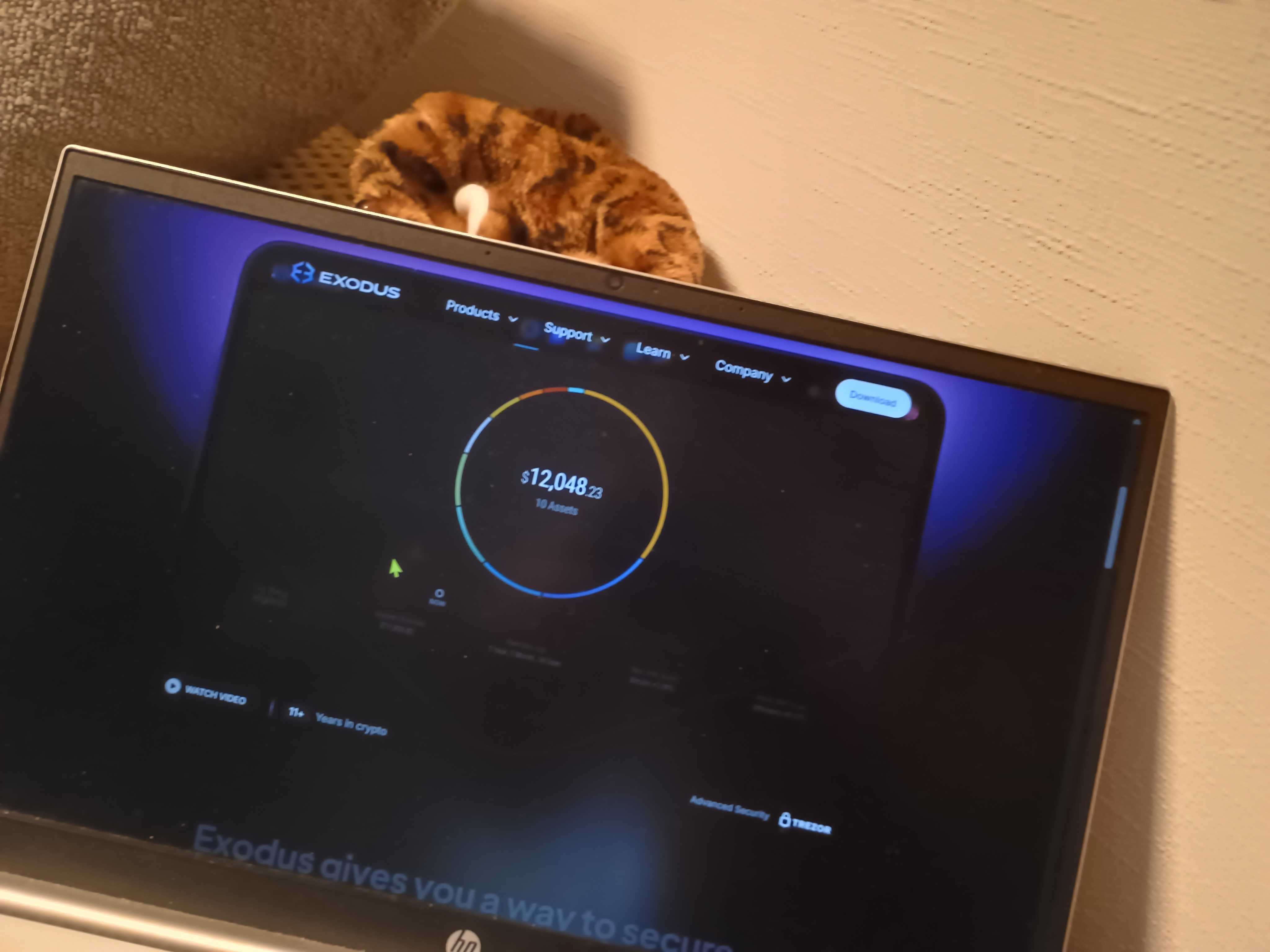
If MetaMask is the “Linux” of crypto wallets (powerful but ugly), Exodus is the “Apple” – stunning, intuitive, and designed to just work. It is the best MetaMask alternative for users who care about aesthetics and want a “Portfolio Command Center” that visualizes their wealth without the headache of manual network configurations. Unlike MetaMask’s browser-first approach, Exodus offers a seamless desktop and mobile experience that syncs instantly via QR code.
Benefits
The interface is widely considered the best in the industry, featuring a color-coded donut chart that instantly breaks down your asset allocation. Its “hybrid” model is a standout feature: it integrates natively with Trezor hardware wallets, allowing you to manage cold storage funds through Exodus’s beautiful UI rather than Trezor’s clunky native app. Additionally, it offers 24/7 human customer support – a rarity in a space dominated by “read the FAQ” service models.
Limitations
The “Apple-like” polish comes with a “convenience tax.” The built-in exchange is expensive, with spreads often ranging from 2% to 5%, making it unsuitable for active trading. It is also partially closed-source, meaning privacy maximalists cannot independently verify the code behind the wallet. Finally, advanced users may find the fee customization options on mobile too limited compared to power-user tools.
Best for
Beginners and design-conscious investors who want a beautiful, hassle-free way to track their portfolio.
Strengths:
- Unmatched design: A lag-free, visually stunning interface that simplifies complex data.
- Trezor integration: seamless management of cold storage assets within the Exodus UI.
- Human support: Responsive 24/7 customer service via email.
- Instant sync: Syncs desktop and mobile wallets instantly via a QR code without accounts.
Weaknesses:
- High swap fees: In-app exchange spreads can hit 2–5%, significantly higher than DEXs.
- Closed source: The core code is proprietary, requiring trust in the company.
- Limited customization: Mobile app lacks advanced fee controls (e.g., custom sat/vByte).
Comparison of сore features
Choosing a wallet often comes down to where you can actually use it. While MetaMask lives in your browser and dominates the EVM world (Ethereum, BSC, Avalanche), its competitors have branched out to support “foreign” chains like Bitcoin and Solana natively.
Here is how the top alternative MetaMask wallets stack up in terms of connectivity and access.
| Wallet | Standout | Fees (swap/bridge) | Assets | Platform | Security / custody | Best for |
|---|---|---|---|---|---|---|
| MetaMask | Universal Web3 access: the industry standard for dApps | 0.875% service fee (0% if using external DEXs) | EVM + Bitcoin (beta) | Extension, mobile | Open source + Wide HW support | DeFi power users & developers |
| Guarda | Omnivore support: privacy coins & 50+ chains in one place | ~0.5% – 1% spread | 400k+ (50+ chains) | Web, desktop, mobile | Encrypted backup file (non-custodial) | Privacy fans & portfolio maximalists |
| Phantom | Safety previews: human-readable signing & scam filters | Flat 0.85% fee | SOL, ETH, BTC, Base | Extension, mobile | Seed phrase + Ledger support | Web3 users & NFT collectors |
| Exodus | Design & hybrid: stunning UI with native Trezor management | 2% – 5% spread | 50+ networks | Desktop, mobile, Extension | Local + Trezor integration | Beginners & hardware owners |
Guarda and Exodus are true multi-chain hubs. They are the only ones on this list that let you hold Bitcoin, Ethereum, and Monero side-by-side. Phantom, while expanding, is still missing major EVM Layer-2s like Arbitrum and Optimism, making it less useful for DeFi power users outside of Solana.
On the other hand, Guarda is unique because it offers a fully functional Web wallet that doesn’t require an extension, accessible from any browser. Exodus dominates the desktop space with a dedicated app that looks like pro fintech software. Phantom is strictly a browser extension and mobile app, mirroring MetaMask’s footprint.
If you own a Trezor, Exodus is the clear winner; its integration is native and beautiful, effectively replacing Trezor’s own clunky software. Phantom and Guarda rely more on Ledger connections or standard pairings.
The material on GNcrypto is intended solely for informational use and must not be regarded as financial advice. We make every effort to keep the content accurate and current, but we cannot warrant its precision, completeness, or reliability. GNcrypto does not take responsibility for any mistakes, omissions, or financial losses resulting from reliance on this information. Any actions you take based on this content are done at your own risk. Always conduct independent research and seek guidance from a qualified specialist. For further details, please review our Terms, Privacy Policy and Disclaimers.
Articles by this author