ECB President Christine Lagarde says tariffs unlikely to derail euro inflation outlook
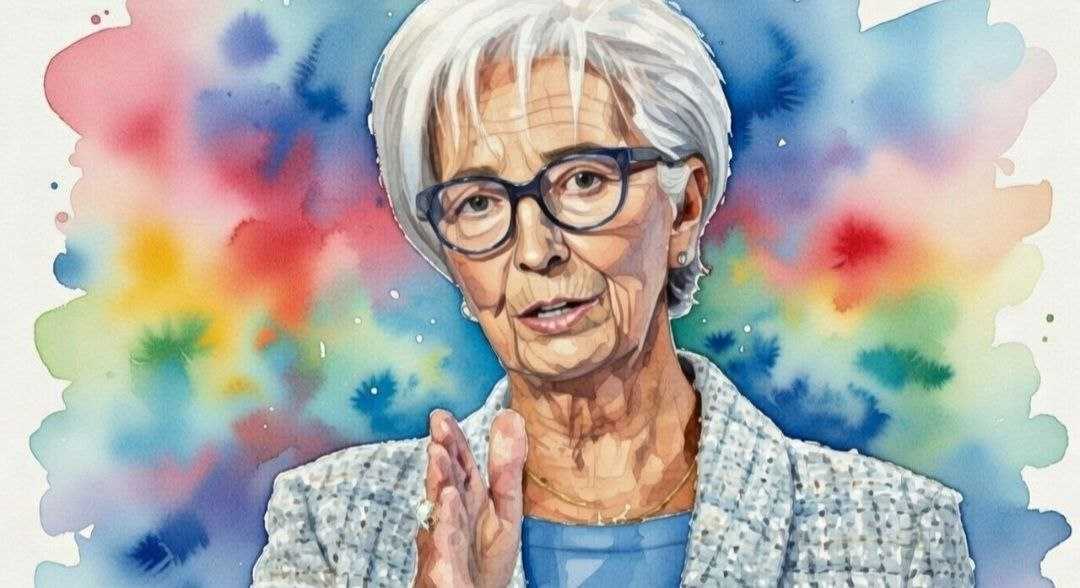
European Central Bank President Christine Lagarde said on Jan. 21, 2026 that additional U.S. tariffs would likely have only a limited impact on euro-area inflation, even as she warned that the bigger risk for businesses and households is the uncertainty created by fast-changing trade policy.
Speaking in an interview with French radio RTL, Lagarde said the ECB’s inflation fight is “under control,” pointing to inflation around 1.9%, and argued that fresh tariff increases would lift the euro area’s average tariff rate to about 15% from roughly 12%. She said the inflation effect would not be uniform across the bloc, with Germany more exposed than France because of differences in trade structures and industrial supply chains.
Lagarde framed the issue as part of a wider shift in the global landscape, calling for a “deep review” of Europe’s economic model to cope with what she described as a new world order. In her account, the immediate price-level impact of tariffs matters less than the stop-start nature of policy signals, which can delay investment decisions, disrupt procurement plans, and complicate corporate pricing.
In the same remarks, Lagarde urged Europe to strengthen its internal market by removing non-tariff barriers within the European Union, presenting that as a concrete lever to improve resilience while external trade conditions fluctuate.
Her comments come as Washington escalates tariff threats toward several European countries, in a dispute that Lagarde linked to U.S. demands tied to Greenland. She criticized what she described as a transactional approach and said Europe should respond in a united way, using available policy tools to protect stability and sovereignty.
Separate comments from ECB policymaker François Villeroy de Galhau echoed the view that tariffs may not translate into a major inflation impulse for the euro area. Speaking on Jan. 20, 2026 at the World Economic Forum in Davos, he said previous rounds of tariffs did not meaningfully lift euro-zone inflation, arguing that the costs were largely borne by U.S. consumers, and he expected a similar pattern if new duties are imposed.
On Jan. 21, 2026, Villeroy also called for Europe to “wake up” and act decisively in the face of tariff pressure linked to Greenland, while again saying the impact on European inflation should be muted even if growth would weaken for all parties involved.
For the ECB, the tariff debate lands at a moment when policymakers are trying to keep inflation near target while monitoring growth risks and external shocks. Recent ECB communications have highlighted that trade measures can affect prices through multiple channels, including weaker demand for exports and shifts in global supply flows into the euro area.
The material on GNcrypto is intended solely for informational use and must not be regarded as financial advice. We make every effort to keep the content accurate and current, but we cannot warrant its precision, completeness, or reliability. GNcrypto does not take responsibility for any mistakes, omissions, or financial losses resulting from reliance on this information. Any actions you take based on this content are done at your own risk. Always conduct independent research and seek guidance from a qualified specialist. For further details, please review our Terms, Privacy Policy and Disclaimers.
Articles by this author