UK lawmakers warn crypto donations could open door to foreign influence
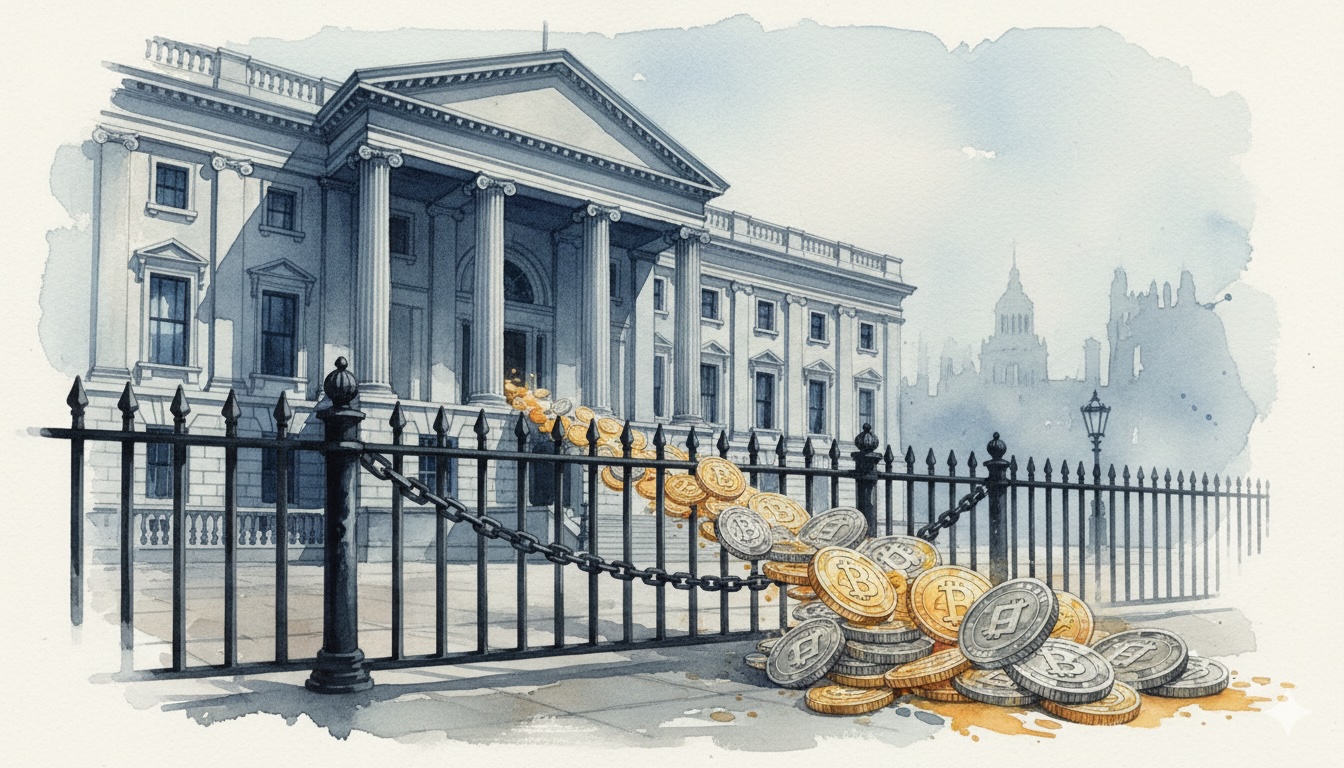
Senior Labour MPs who chair seven House of Commons committees have asked Prime Minister Keir Starmer to outlaw cryptocurrency donations to parties and candidates in the elections bill due early this year, arguing that digital assets can mask donor identity and enable foreign influence.
The request was delivered on January 11–12, 2026, as ministers weigh broader reforms to tighten political-money rules.
The signatories – Liam Byrne, Emily Thornberry, Tan Dhesi, Florence Eshalomi, Andy Slaughter, Chi Onwurah and Matt Western – warn that crypto transfers are hard to trace end-to-end and can be split into many small payments below reporting thresholds. They want an outright statutory ban rather than guidance, folding the curb into the coming elections bill that is also expected to address voting age and other finance loopholes.
The Cabinet Office and No. 10 have been exploring a ban since late 2025 amid a wider review of foreign interference and illicit finance in politics. Officials accept the Electoral Commission can guide on risk checks, but a categorical prohibition would require primary legislation. An independent review of foreign financial interference was launched on December 16, 2025, adding momentum to calls for stricter controls.
The current legal position allows crypto contributions if a party can verify the donor is “permissible” under UK law and properly accounts for the value – requirements that have drawn criticism from anti-corruption groups and academics who say on-chain provenance does not necessarily prove beneficial ownership or the original funding source. A Commons Library briefing summarises the framework for political donations and reporting, which campaigns say was not designed for pseudonymous, cross-border digital transfers.
Advocacy organisations including Spotlight on Corruption and the UK Anti-Corruption Coalition have pressed for a ban, arguing that crypto introduces “unnecessary and avoidable” exposure to covert money and state activity. Their submissions to Parliament cite the ease of routing funds through mixers, exchanges and intermediaries, and they note that at least one UK party has now received a crypto donation, underscoring practical enforcement challenges.
Political context has sharpened the debate. Reform UK said in May 2025 it would accept contributions in bitcoin and other cryptocurrencies, positioning itself as the first UK party to open a dedicated crypto portal while pledging compliance with Electoral Commission checks. The development prompted questions from MPs and officials about verifying ultimate donor identity when assets move across multiple wallets before conversion to pounds.
Separately, the government has proposed tougher due-diligence on all donations – especially from companies and unincorporated associations – to curb foreign money routed via UK-linked entities, though those plans, as reported in mid-2025, stopped short of a crypto-specific ban. Regulators have also flagged record-setting unlawful donations that were returned, arguing that stronger “know your donor” controls are needed across the system regardless of payment rail.
In their appeal this week, the committee chairs framed crypto donations as failing three core tests – transparency, traceability and enforceability – and said the UK should legislate before a scandal forces action. Government sources indicated to UK media that a full prohibition might be difficult to finalise in time for the first version of the elections bill, but ministers continue to assess legislative options.
The material on GNcrypto is intended solely for informational use and must not be regarded as financial advice. We make every effort to keep the content accurate and current, but we cannot warrant its precision, completeness, or reliability. GNcrypto does not take responsibility for any mistakes, omissions, or financial losses resulting from reliance on this information. Any actions you take based on this content are done at your own risk. Always conduct independent research and seek guidance from a qualified specialist. For further details, please review our Terms, Privacy Policy and Disclaimers.
Articles by this author