Kazakh President Tokaev signs law on AI and digital assets
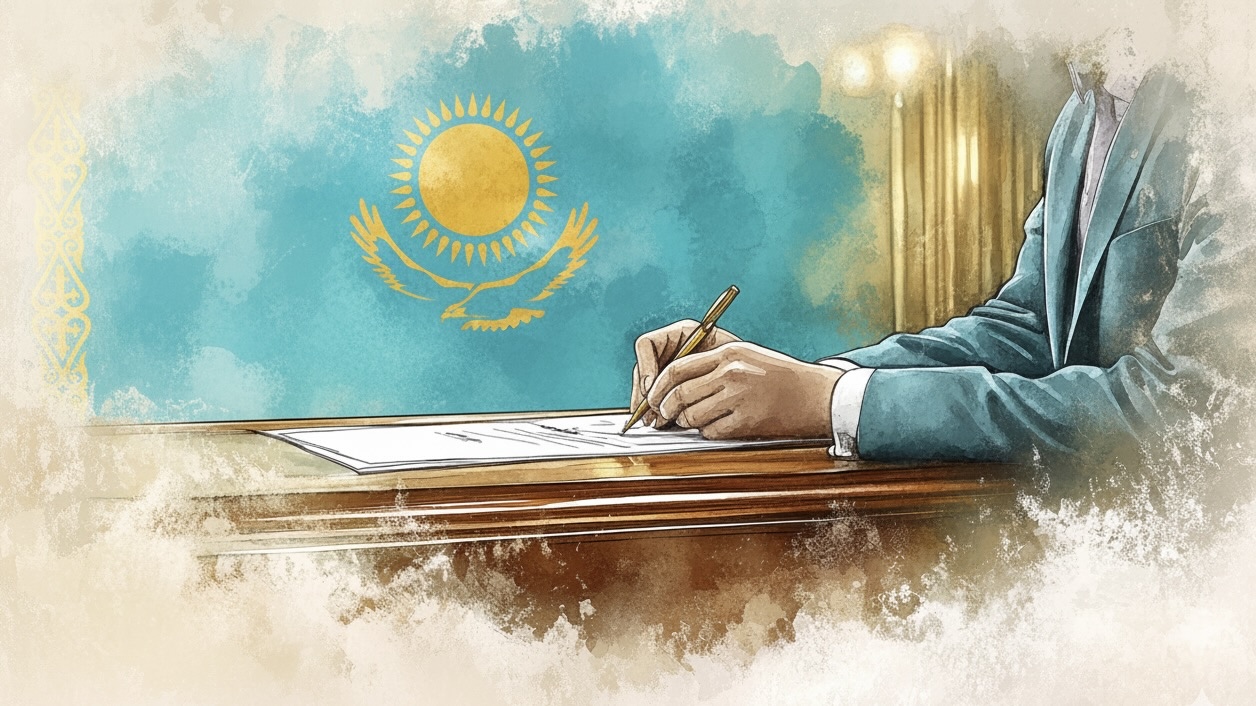
Kazakh President Kassym-Jomart Tokayev signed a law on artificial intelligence and a companion bill on digitalization that brings unsecured digital assets, including unbacked cryptocurrencies, under national regulation across Kazakhstan.
According to local media, Kazakhstan’s new AI framework defines how artificial intelligence systems can be developed and used. It introduces human-centric principles and risk obligations for AI operators. In parallel, Tokayev signed a second law amending a range of acts on artificial intelligence and digitalisation.
The presidential office said one of the key changes brings the circulation of unsecured digital assets under national regulation, where previously such activity was only permitted inside the Astana International Financial Centre (AIFC).
As the presidential residence said, the AI law treats artificial intelligence systems as part of the country’s informatization infrastructure and as tools used by people to perform specific tasks. It sets clear responsibility for owners, holders, and users, with owners and holders required to manage risks, ensure safety and reliability, and provide support to users of AI systems.
Under Kazakhstan’s earlier digital-asset framework, “unsecured” digital assets generally refer to cryptocurrencies that are not backed by specific underlying assets, in contrast to asset-backed tokens. The new amendments mean activity in such assets can now legally occur across Kazakhstan, subject to regulatory oversight, rather than being confined to the AIFC’s separate regime.
The amendments also strengthen personal data rules. Consent for processing personal data is now limited to the period required to achieve the stated purpose, and individuals or their legal representatives gain an explicit right to withdraw consent by notifying the data owner, operator, or third party. Domestic retailers will be required to record sales by scanning identification marks through cash registers, and several provisions tighten information-security requirements.
The package follows several years of work on AI and digital-asset rules. Parliament approved the AI law in late October ahead of the presidential signature, adding provisions such as mandatory liability insurance for damage caused by AI systems and clarifying that works involving AI are covered by copyright only when there is a human creative contribution.
For digital assets, Kazakhstan has already passed a separate law on digital assets that entered into force in 2023 and introduced licensing and other requirements for mining and related services. That was followed by a crackdown on unlicensed crypto platforms: officials reported around 130 platforms closed and tens of millions of dollars in suspicious turnover identified.
The enforcement effort is already visible. In late 2024, Kazakhstan’s Agency for Financial Monitoring shut down 130 unlicensed cryptocurrency exchanges operating in the country, citing breaches of anti-money-laundering rules and failure to meet registration requirements. The move shows that regulators are no longer waiting for new laws to settle in — they’re already acting against platforms that operate without approval, even as the wider regulatory framework is still being built.
Together, the new AI law and related amendments launch a dedicated AI rulebook in Kazakhstan and expand national oversight of crypto activity.
The material on GNcrypto is intended solely for informational use and must not be regarded as financial advice. We make every effort to keep the content accurate and current, but we cannot warrant its precision, completeness, or reliability. GNcrypto does not take responsibility for any mistakes, omissions, or financial losses resulting from reliance on this information. Any actions you take based on this content are done at your own risk. Always conduct independent research and seek guidance from a qualified specialist. For further details, please review our Terms, Privacy Policy and Disclaimers.
Articles by this author