How safe is BYDFI in 2026: security tools, proof of reserves, and risks
We tested BYDFi from a beginner point of view and explained how to stay safe in 2026. In our opinion, BYDFi is a reasonable choice if you enable Google Authenticator 2FA, set an anti-phishing code, and use a withdrawal whitelist. We also cover phishing traps, fake domains, proof of reserves signals, and a simple checklist for your first secure buy.


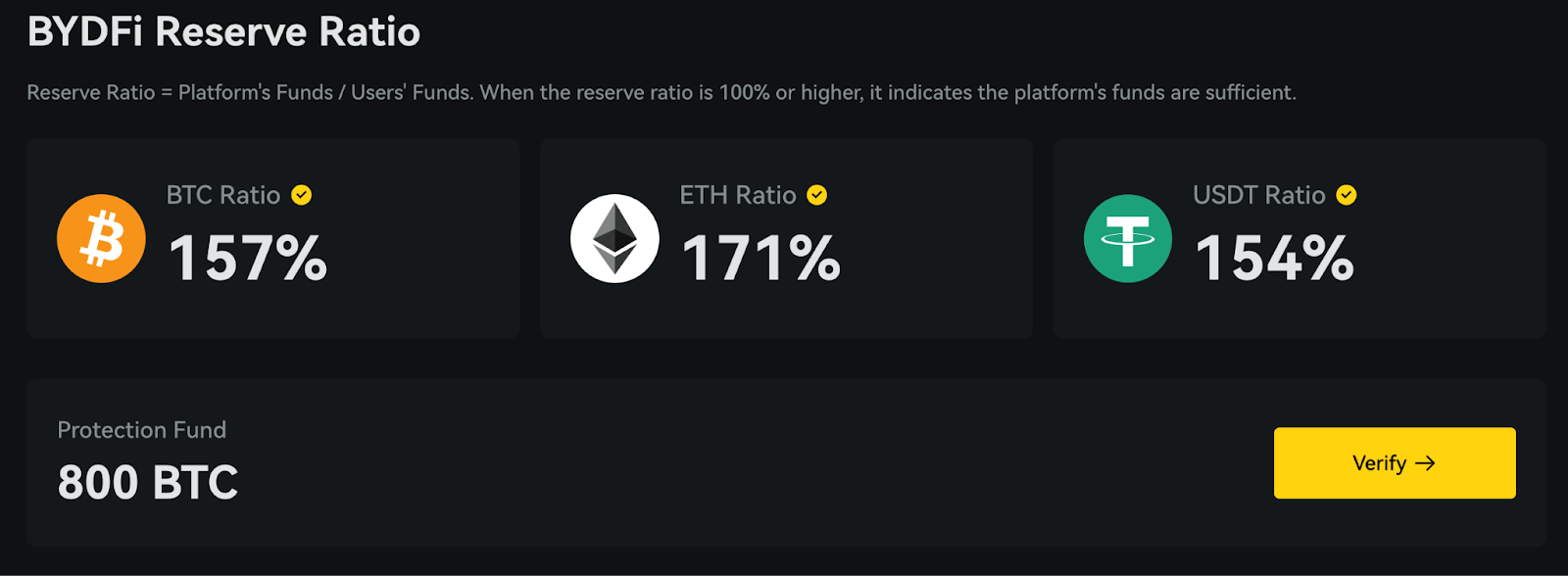
BYDFi has operated since 2020, giving it time to build a basic security setup for everyday users. You can protect your account with Google Authenticator 2FA, an anti-phishing code, a withdrawal whitelist, and the BYDFi Verify tool to spot official links. For transparency, BYDFi also publishes proof of reserves ratios and highlights an 800 BTC protection fund.
Platform overview and background
If you are asking is BYDFi safe, we think the most useful approach for beginners is to check a few concrete, public signals rather than rely on marketing or social chatter. BYDFi positions itself as a centralized crypto exchange founded in 2020, which gives you a starting point to verify its official policies, security setup guides, and transparency pages.
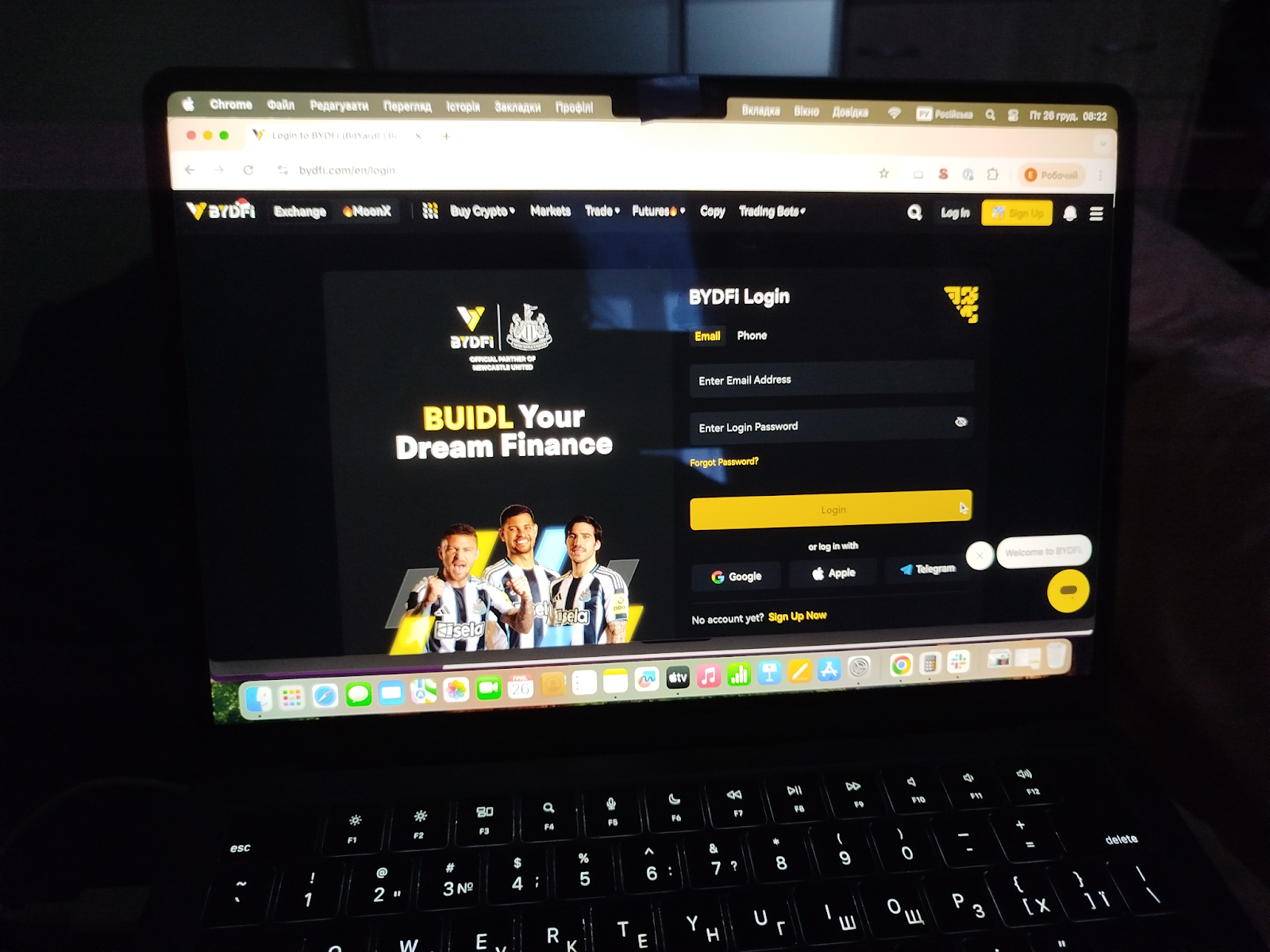
In our view, safety for a first-time user comes down to three practical questions. First, can you lock down your account with the right controls, so a stolen password alone is not enough to move funds? Second, does the platform provide transparent reserve information that you can review without special tools? Third, are the rules clear on who can use the platform, since access can depend on jurisdiction?
On transparency, BYDFi publishes a dedicated Proof of Reserves page. There, the exchange states it maintains 100% reserves and displays reserve ratios, and it also highlights an 800 BTC protection fund. We see this as a helpful trust signal because it gives users something specific to review, alongside the usual account security steps.
Next, we will focus on the exact security tools BYDFi provides and what we would enable before funding an account.
BYDFi core security tools and protections
When beginners ask is BYDFi exchange safe, we focus on the security controls the platform documents in its own help center, and on the steps you can actually complete before you deposit. In our view, safety starts with reducing the number of ways a stolen password can turn into a withdrawal.
Account and communication protections
- Two-factor authentication (2FA): BYDFi provides guides for enabling Google Authenticator, which we consider the first setting to turn on.
- Anti-phishing code: BYDFi lets you set an anti-phishing code that appears in official emails. The platform notes that once you set it, you cannot disable it, so it is worth choosing a code you will recognize.
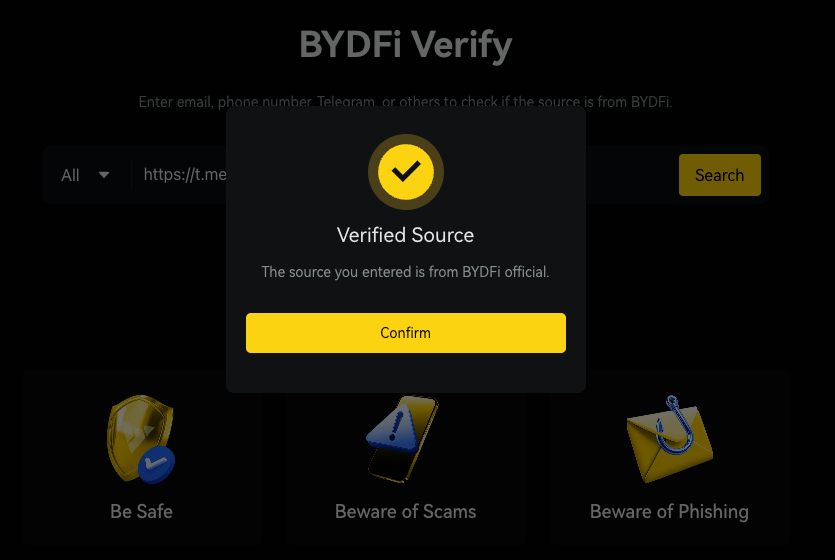
- Official verification tool: BYDFi also offers a verification tool designed to help users confirm whether a website, email, or social channel is official. We would use this before logging in from any new link.
Withdrawal protections
- Withdrawal address whitelist: BYDFi supports an address whitelist so withdrawals can be limited to approved addresses.
- Fund password and verification codes: During withdrawals, BYDFi can require a fund password plus verification via email and Google Authenticator, adding another layer beyond your login password.
- 24-hour withdrawal lock after key changes: BYDFi documents a 24-hour withdrawal suspension after certain sensitive changes, such as changing your password or disabling Google Authenticator. We see this as a protective friction point, not a bug.
Platform level security statements
BYDFi states it uses deep cold storage and multi-signature mechanisms, along with SSL encryption and Cloudflare-based DDoS protection. It also describes security audits and vulnerability detection as part of its security posture.
Our practical checklist before funding is simple: enable Google Authenticator, set the anti-phishing code, turn on the withdrawal whitelist, and do a small test withdrawal first so you understand the prompts and timing.
Possible user side risks and platform considerations
Even if a platform has solid controls, we think most real-world losses for beginners come from user-side mistakes: phishing, fake domains, weak account hygiene, or withdrawal errors. BYDFi addresses this directly with public anti-scam reminders, which is a signal that impersonation attempts exist and users need to be careful.
Phishing and fake sites
BYDFi has published anti-scam guidance with practical rules such as avoiding unknown links, not trusting search ads or random social posts, and using the official verification tool to confirm you are on a legitimate BYDFi page. This matters even more if you see older branding in the wild and wonder is BitYard safe, because scammers often reuse familiar names to look credible.
Withdrawal mistakes that look like security issues
BYDFi also warns users to double check key withdrawal details, such as the selected network and any required memo or tag. In our experience, beginners can treat this as a checklist: confirm the network matches the receiving wallet, verify the address character by character, and only then proceed.
Platform availability and limits
BYDFi’s user agreement lists restricted jurisdictions, including the United States, and notes the list can change. We think this is important to check early, because it can affect what features you can use and whether withdrawals or verification steps might be required.
What reserves do and do not mean
Finally, BYDFi publishes Proof of Reserves information as a transparency layer. Our view is that PoR can be a helpful indicator, but it does not remove the basic rule of exchange risk: keep your account locked down and consider moving long-term holdings to a personal wallet once you are comfortable.
The material on GNcrypto is intended solely for informational use and must not be regarded as financial advice. We make every effort to keep the content accurate and current, but we cannot warrant its precision, completeness, or reliability. GNcrypto does not take responsibility for any mistakes, omissions, or financial losses resulting from reliance on this information. Any actions you take based on this content are done at your own risk. Always conduct independent research and seek guidance from a qualified specialist. For further details, please review our Terms, Privacy Policy and Disclaimers.
Articles by this author