Hong Kong to set 100% crypto risk charge for insurers

Hong Kong’s Insurance Authority proposes capital rules with a 100% risk charge on insurers crypto exposure and fiat-linked charges for regulated stablecoins, with consultation scheduled for February to April.
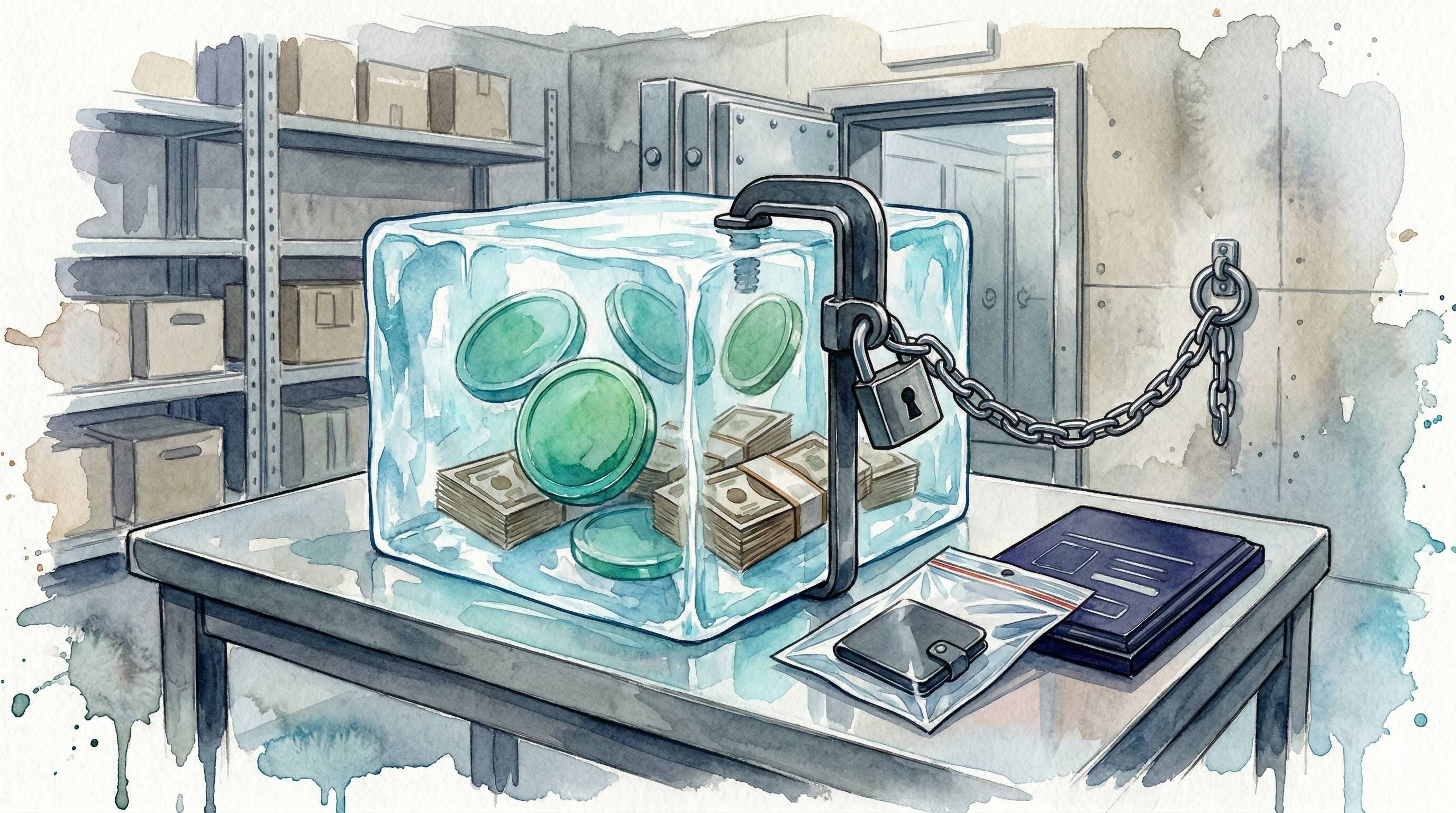
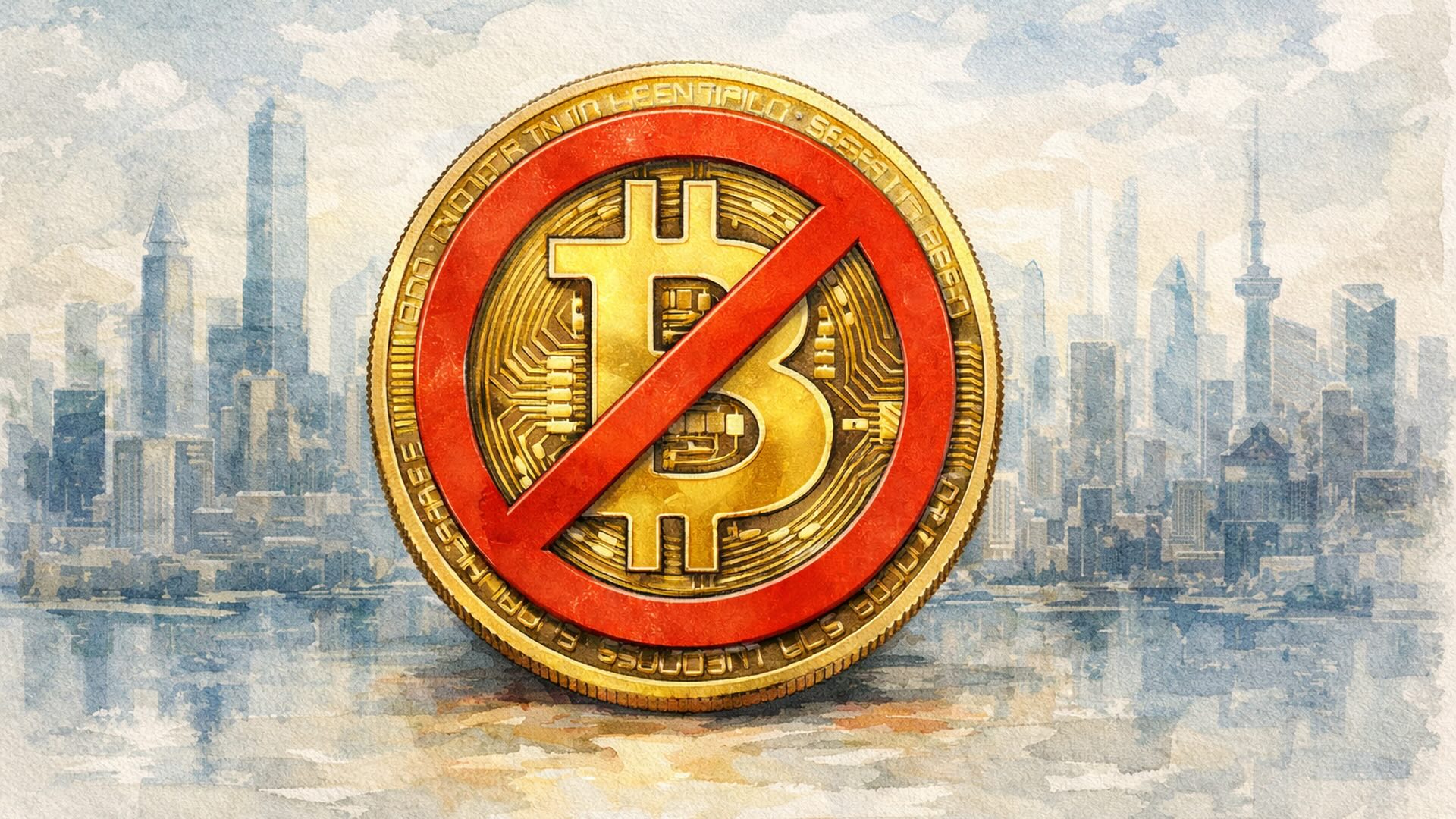
Hong Kong’s Insurance Authority has drafted capital rules that would apply a 100% risk charge to insurers’ crypto asset exposure and align stablecoin risk with the fiat currency that backs the tokens when they are regulated in the city. The regulator plans a public consultation from February to April before sending the measures for legislative review.
The proposal, dated Dec. 4 and open to revisions, outlines how insurers should treat digital assets on their balance sheets. Under the framework, crypto assets carry a full risk charge. Stablecoin holdings would take the capital charge of the underlying fiat currency, provided the tokens fall within Hong Kong’s regulatory regime.
The Insurance Authority intends to publish the draft in early 2025 for a three-month consultation, gather feedback from industry and the public, and then present the rules to the legislature. No implementation date has been provided beyond these steps.
According to the document, the framework is intended to steer insurance capital toward cryptocurrencies and government-backed infrastructure projects.
The plan comes as Hong Kong advances work on its digital-asset market. Officials have introduced licensing for virtual asset trading platforms and set out standards for stablecoin issuers. In November, the Securities and Futures Commission released circulars to improve liquidity and expand the range of products available to licensed crypto exchanges, including allowing shared order books to access global liquidity.
If adopted, the rules would give insurers defined capital treatment for different digital assets and clarify how to handle stablecoin exposures when the tokens meet local requirements.
As we reported earlier, Hong Kong’s Monetary Authority moved Project Ensemble into a live phase, piloting tokenized deposits in real-value transactions through 2026. The first phase lets institutions use tokenized deposits in tokenized money-market funds and manage liquidity and treasury in real time. Thirteen participants will test interactions with capital markets processes and existing banking rails, with planned round-the-clock settlement in tokenized central bank money and ties to the e-HKD program.
The material on GNcrypto is intended solely for informational use and must not be regarded as financial advice. We make every effort to keep the content accurate and current, but we cannot warrant its precision, completeness, or reliability. GNcrypto does not take responsibility for any mistakes, omissions, or financial losses resulting from reliance on this information. Any actions you take based on this content are done at your own risk. Always conduct independent research and seek guidance from a qualified specialist. For further details, please review our Terms, Privacy Policy and Disclaimers.
Articles by this author