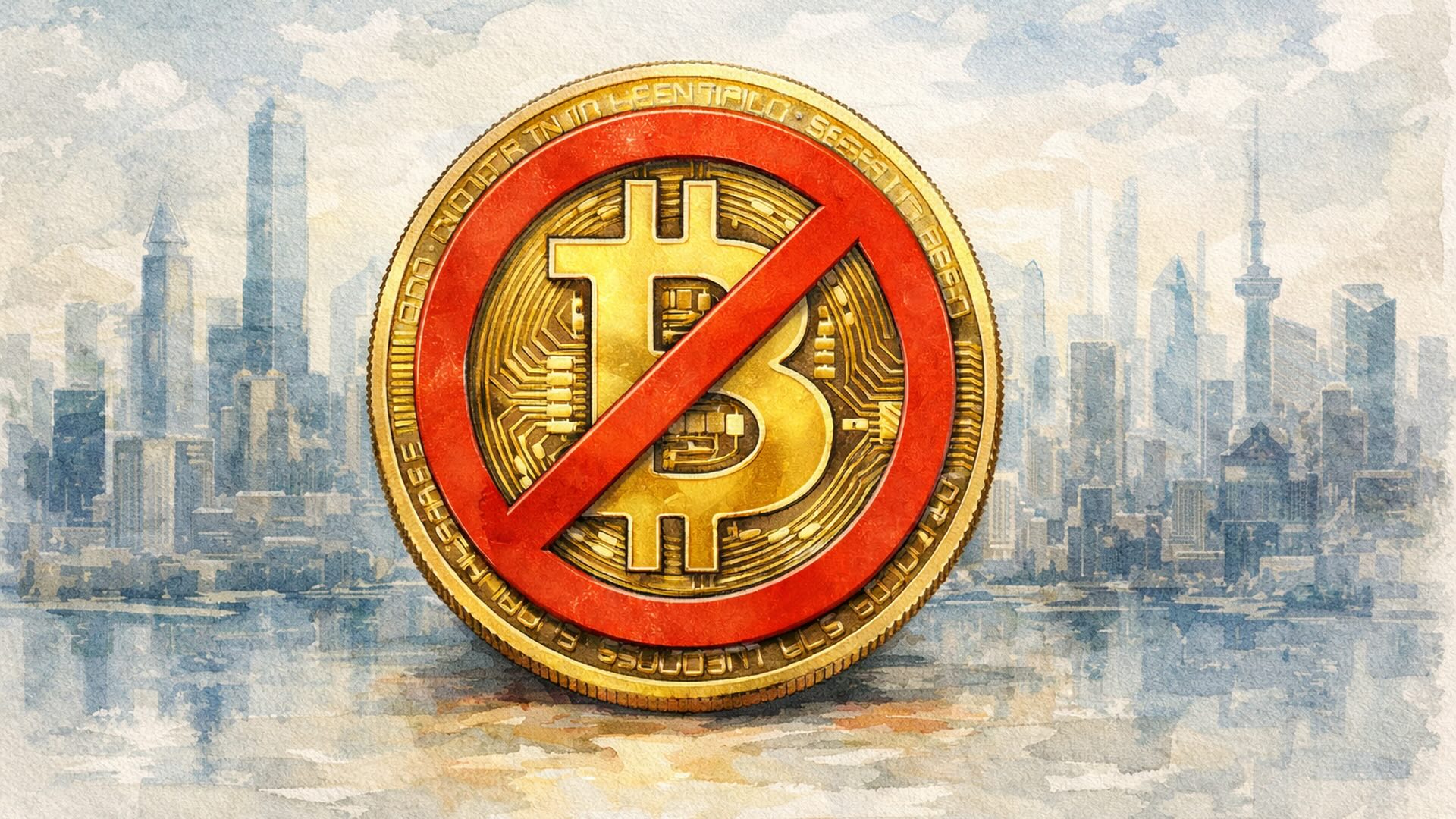
Hong Kong crypto firms exit Bitcoin hoarding model

Crypto-focused companies in Hong Kong that once aimed to copy the U.S. “digital asset treasury” model are now highlighting businesses such as online poker and Pokemon trading cards, as a sharp crypto sell-off and tighter local oversight make balance-sheet Bitcoin stockpiling harder to sustain.
The shift is unfolding against a backdrop of falling token prices and more assertive supervision from Hong Kong regulators, who are trying to keep the city attractive to digital-asset firms while staying aligned with the Beijing ban on retail crypto trading.
Digital asset treasuries, or DATs, surged in popularity after Nasdaq-listed Strategy, a business analytics company, began aggressively buying Bitcoin in 2020. Strategy went on to become the largest corporate holder of the cryptocurrency, helping drive its own stock up by more than 1,000% at one stage as Bitcoin rallied. As of Nov. 24, the company held 649,870 Bitcoins worth about $56.5 billion, according to its website.
That strategy now faces headwinds. After hitting a record high earlier in 2025, Bitcoin has dropped below the all-time high more than 22% in the last month as investors cut exposure to risk assets on fears of a wider tech bubble. The broader crypto market has lost nearly $790 billion in market capitalization over the same period, based on CoinGecko data, while Strategy’s shares have fallen about 50% in the last three months.
Hong Kong-listed Boyaa Interactive, an online poker game developer that held 4,091 Bitcoins and 301 Ether as of Nov. 17, describes its coins not as speculative bets but as strategic reserves to support Web3 game development. Web3 generally refers to decentralized internet services built on blockchain, including games that give players verifiable ownership of in-game items.
“We’re not just hoarding crypto. We’re building games that integrate blockchain technology,” said Marco Lim, a nonexecutive director at Boyaa, speaking on the sidelines of the Hong Kong Cyberport Venture Capital Forum. “I think where regulators draw the line is you have to have businesses related to Web3,” he said.
Kelvin Wong, chair of Hong Kong’s Securities and Futures Commission, said last month that the watchdog is concerned about whether some DAT-style companies trade at substantial premiums to the value of the crypto they hold. He said the SFC is monitoring the development of such structures and warning retail investors about the risks.
The city’s stock exchange has questioned the plans of at least five companies seeking to adopt the DAT model, according to an October report, challenging whether their proposed business structures comply with listing requirements.
To underline that it is more than a crypto balance sheet, Boyaa has launched Bitcoin-based poker competitions, including tournaments denominated in BTC and weekly giveaways of 1 Bitcoin to players, while maintaining a 300-person development team focused on blockchain game design. The company says its long-term goal is for Web3 gaming to generate 90% to 100% of its revenue.
For now, traditional operations and fair-value gains on coins still dominate its books. In the first nine months of 2025, Boyaa’s online gaming business – mostly based on conventional Web2 technology – brought in 329 million Hong Kong dollars ($42.3 million), compared with HK$434 million in fair-value gains from its crypto holdings. Web3 activities contribute only a small share of income.
Asked about the risk that tighter oversight could hit companies that already hold large crypto treasuries, Lim said Hong Kong “cannot go back,” arguing that regulators are working toward clearer guidelines rather than banning the model outright.
Another firm recalibrating its message is MemeStrategy, a Web3 startup run by the team behind meme platform 9GAG. The company has recently softened its rhetoric around building up a large digital asset treasury, with Chairman Ray Chan telling a fintech audience in November 2025 that a DAT-style strategy may not be suitable for every business. In June, the company had said it planned to “strategically build a digital asset reserve” as a way to create shareholder value.
MemeStrategy has since acquired a card-trading brand and is preparing to develop a digital marketplace for Pokemon cards and other collectible series, using that business line to show it can generate revenue beyond crypto reserves.
Some Hong Kong players are instead looking abroad, particularly to the U.S., where the regulatory climate under President Donald Trump is seen as more accommodating to DAT structures.
Livio Weng, founder of Hong Kong-listed crypto company Sinohope, said he is exploring opportunities overseas, including the acquisition of U.S.-listed companies that could be rebranded as digital asset treasuries. He argued that the DAT concept still makes sense as a bridge into crypto markets.
In September, a consortium of investors including Sinohope and Hong Kong-based HashKey Capital announced an investment of more than $500 million to transform a Nasdaq-listed biotech company Helius Medical Technologies (HSDT) into a vehicle for buying Solana. The rebranded entity, now called Solana Company, said that month that it held more than 760,000 SOL tokens.
The material on GNcrypto is intended solely for informational use and must not be regarded as financial advice. We make every effort to keep the content accurate and current, but we cannot warrant its precision, completeness, or reliability. GNcrypto does not take responsibility for any mistakes, omissions, or financial losses resulting from reliance on this information. Any actions you take based on this content are done at your own risk. Always conduct independent research and seek guidance from a qualified specialist. For further details, please review our Terms, Privacy Policy and Disclaimers.
Articles by this author