Goldman Sachs chief executive studies tokenization, stablecoins and event markets
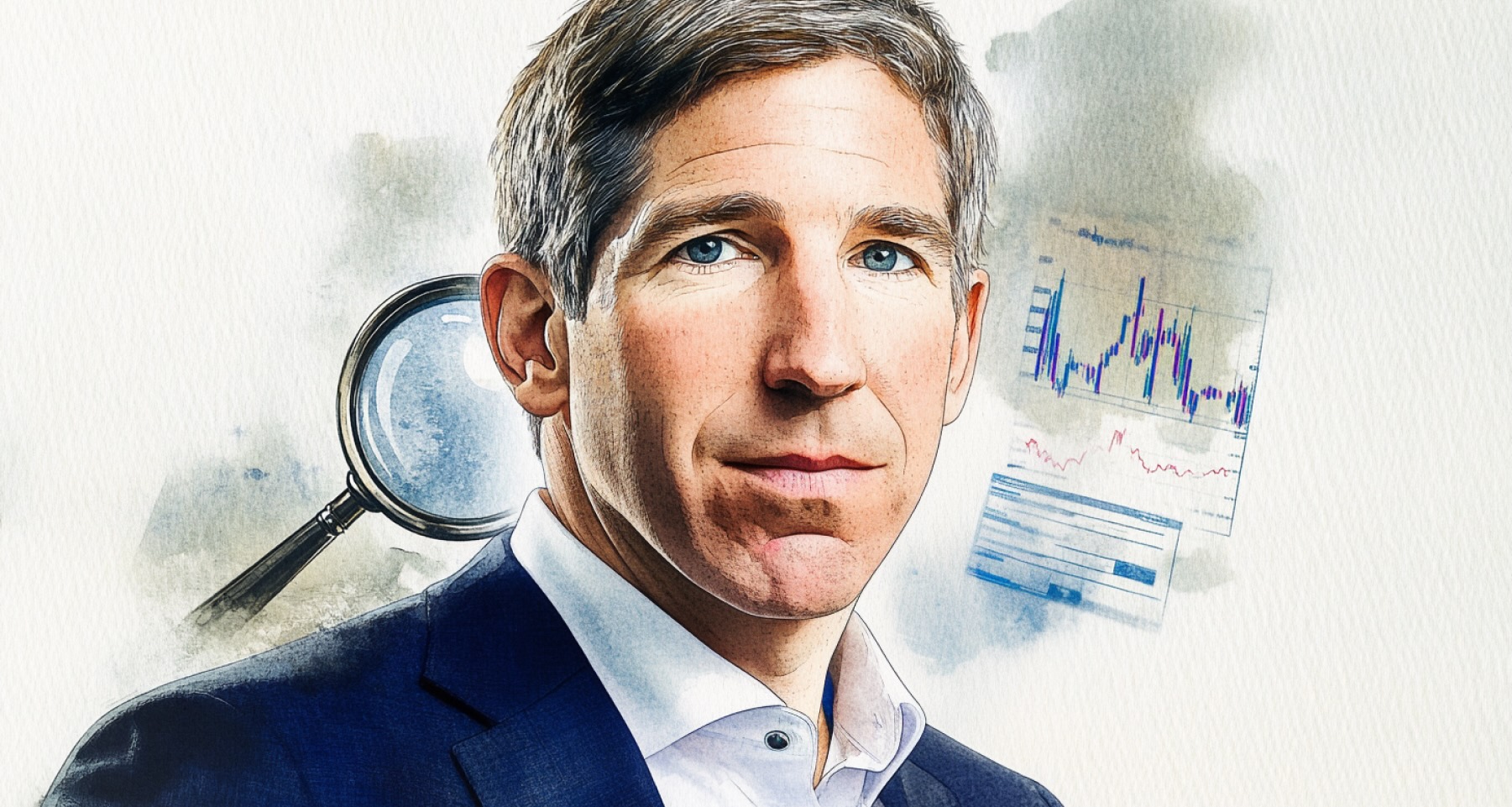
On 15 January 2026, Goldman Sachs chief executive David Solomon told analysts that the bank is studying tokenization, stablecoins and prediction markets as U.S. market-structure discussions evolve in Washington.
During a question-and-answer segment of the firm’s fourth-quarter earnings call, Solomon described work by internal teams that are assessing where tokenized instruments or stablecoin-style settlement could connect to existing businesses. He noted that Goldman does not need to lead every technology trend, but wants to be prepared to deploy new rails where they can expand or improve current operations.
Solomon pointed to policy and regulatory direction as a key constraint on timing and product design. He referenced ongoing debate over digital-asset market structure and indicated that the bank is framing its approach around how oversight and permitted activities are ultimately defined.
On stablecoins, Solomon referred to prior industry disclosures that major banks have explored a regulated, bank-backed form of digital money. He did not outline a specific Goldman product on the call, but reiterated that stablecoins and tokenization remain active areas of review.
On prediction markets, Solomon said he has recently met with two large platforms and spent several hours reviewing how they operate. He added that Goldman has dedicated teams evaluating the segment, focusing on venues overseen by the Commodity Futures Trading Commission and the way event contracts can resemble derivatives-style activity. Solomon said he can envision scenarios where such markets intersect with Goldman’s businesses, depending on the regulatory framework.
Solomon cautioned that adoption may progress more slowly than some market commentary implies, even as the bank continues to evaluate potential use cases for tokenization, stablecoins and regulated prediction products.
As GNcrypto covered previously, U.S. Senator Richard Blumenthal warned on 15 January 2026 that integrating crypto more deeply into the banking system could recreate dynamics seen in the 2023 regional bank failures, citing Silicon Valley Bank, Signature Bank and First Republic. He pointed to stablecoins and crypto yield products that can drive rapid deposit flows without bank-style protections, and argued that clean audit opinions did not prevent abrupt outflows and federal intervention. Blumenthal urged tighter limits and more conservative risk assumptions, and noted that the debate has intensified as the Trump family has expanded crypto activity, including the USD1 stablecoin and efforts to secure a banking charter.
The material on GNcrypto is intended solely for informational use and must not be regarded as financial advice. We make every effort to keep the content accurate and current, but we cannot warrant its precision, completeness, or reliability. GNcrypto does not take responsibility for any mistakes, omissions, or financial losses resulting from reliance on this information. Any actions you take based on this content are done at your own risk. Always conduct independent research and seek guidance from a qualified specialist. For further details, please review our Terms, Privacy Policy and Disclaimers.
Articles by this author