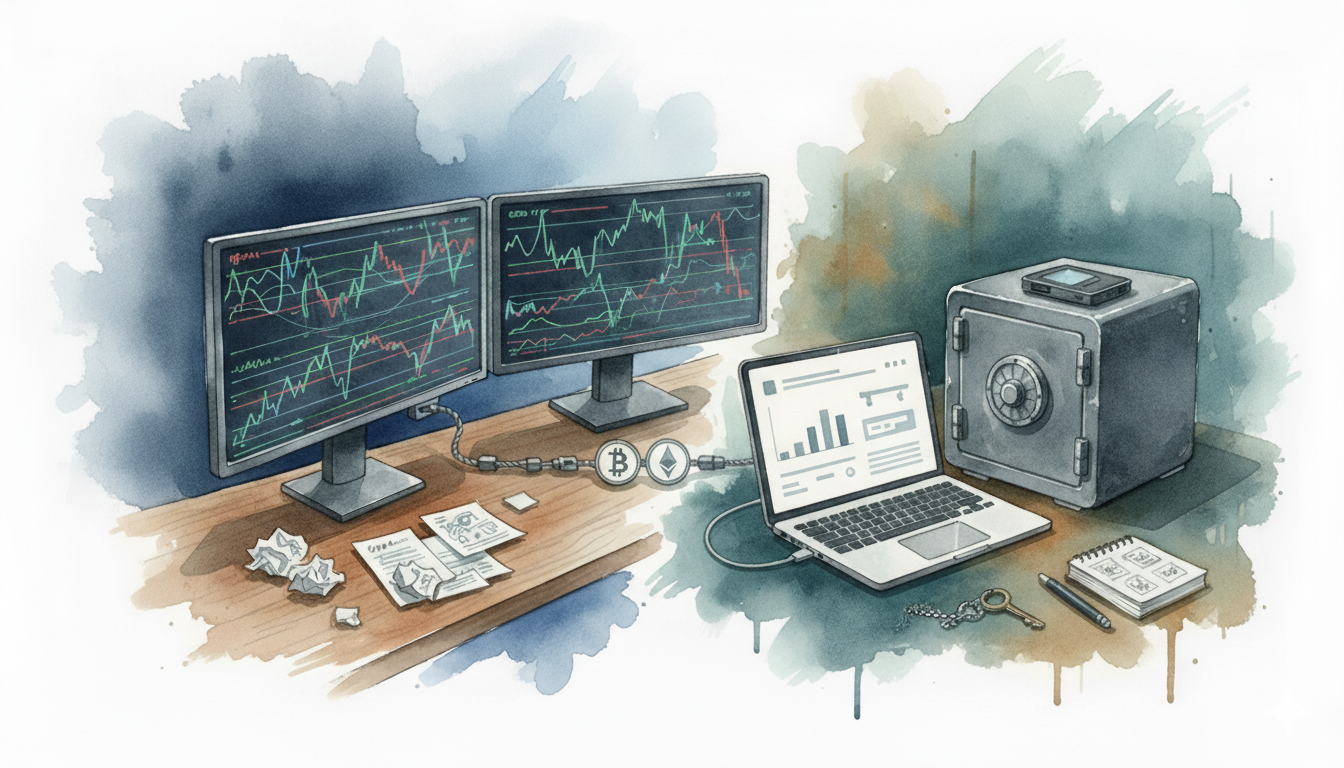
German watchdog warns banks about AI industry risks

The German financial regulator BaFin sees the race to adopt artificial intelligence as a new source of systemic risk for banks and insurance companies.
According to the supervisor, the digital infrastructure of the financial sector is becoming increasingly dependent on a small group of global technology corporations, which makes the entire system vulnerable to outages and conflicts of interest.
Speaking at an online conference on IT system resilience, BaFin’s head of banking supervision Nicholas Spier noted that a dense network of business relationships is forming around AI platforms. It stretches from model developers and cloud providers to companies that supply computing power and data. Many of these links remain opaque even to the banks themselves, which use ready made products and services rather than building solutions from scratch.
Spier said the regulator is worried not only about the quality of the algorithms, but also about the fact that critical functions such as risk control, credit scoring and compliance may end up relying on several foreign providers. If one of these companies faces technical problems, a cyberattack or legal restrictions, it will hit several major market players at once.
BaFin reminds financial institutions that they are already required to factor in outsourcing risks and dependence on external IT partners. However, the rapid spread of AI amplifies concentration in the industry. Banks are flocking to the same technology leaders that dominate the global market and end up using similar tools and suppliers.
The German watchdog’s concerns echo those of institutional investors in other countries. As British media recently reported, large pension funds in the United Kingdom reconsider the structure of their portfolios against the backdrop of a powerful rally in AI and Big Tech stocks. Asset managers fear that retirement savings depend too heavily on a narrow group of technology giants, so they are gradually reducing their exposure to US equities and reallocating capital into bonds, gold and other regions.
This creates a paradox. On the one hand, banks and funds are actively rolling out AI in risk management, client services and investment strategies and rely on the same technology platforms. On the other hand, the rapid growth of these companies forces regulators and institutional investors to talk about a bubble and excessive concentration.
European supervisors, including the ECB and the Bank of England, have in recent months more often warned about the combination of two factors. The first one is high valuations in the AI sector, and the second one is the build up of operational risks due to dependence on a limited number of IT providers. Regulators demand that banks map their data and computing supply chains in more detail, run stress tests for the failure of key vendors and design diversification plans.
BaFin stresses that this is not a ban on the use of artificial intelligence or an attempt to slow down innovation. The regulator expects banks to understand their technology dependencies and to be ready for the fact that the AI boom may come with both market swings and infrastructure shocks.
The material on GNcrypto is intended solely for informational use and must not be regarded as financial advice. We make every effort to keep the content accurate and current, but we cannot warrant its precision, completeness, or reliability. GNcrypto does not take responsibility for any mistakes, omissions, or financial losses resulting from reliance on this information. Any actions you take based on this content are done at your own risk. Always conduct independent research and seek guidance from a qualified specialist. For further details, please review our Terms, Privacy Policy and Disclaimers.
Articles by this author