Galaxy says the U.S. Treasury could gain new levers over crypto payments
A set of amendments to a U.S. Senate bill on crypto market regulation drew a sharp response from Galaxy Research. The firm’s analysts argue the updated language would expand the government’s financial control toolkit on a scale not seen since the USA PATRIOT Act in 2001.
The debate centers on a discussion draft that aims to spell out who regulates what in crypto: where the SEC’s authority begins, where the CFTC’s role applies, which tokens may be treated as commodities, and which could fall under securities rules. The Senate Banking Committee scheduled a vote for Thursday, January 15, 2026. As the committee moved toward that process, lawmakers added a section dealing with illicit transactions and Treasury powers.
Galaxy says the most sensitive part is an attempt to extend a mechanism drawn from the Bank Secrecy Act. Historically, that tool has been used against foreign banks and jurisdictions suspected of money laundering. Under the revised approach, the bill would explicitly cover digital assets, along with the infrastructure that supports crypto payments. In practical terms, that could give authorities a more direct path to restrictions not only on specific firms, but also on certain categories of activity.
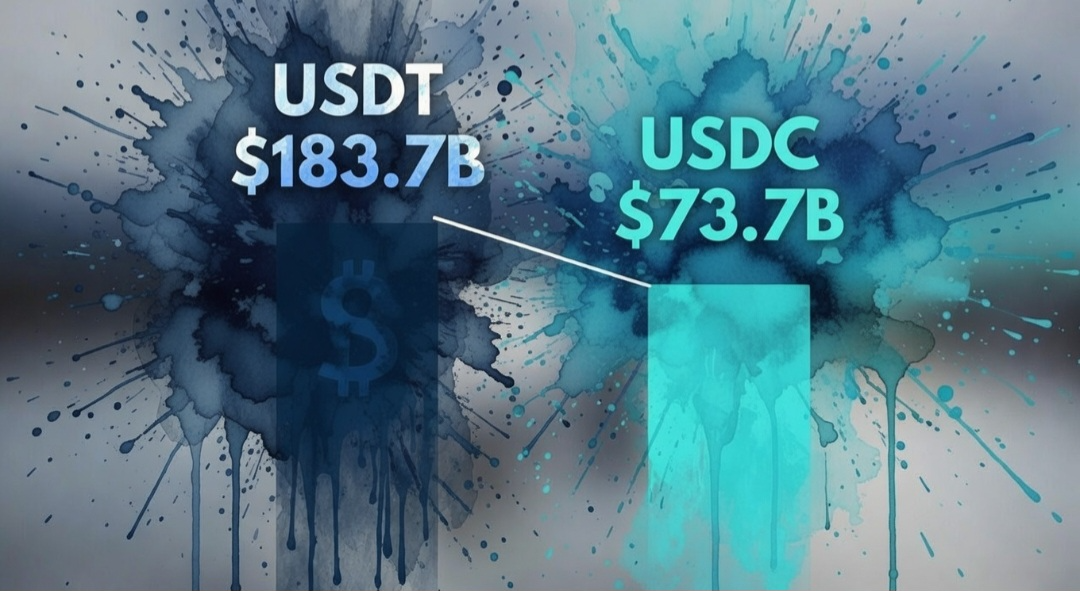
Analysts also highlight a “temporary freeze” concept. The draft references the ability to require stablecoin issuers and payment providers to halt a transfer for up to 30 days without a court order. Entities that follow the directive would receive legal protection through a safe-harbor clause. Critics argue this flips the usual sequence. Instead of proving grounds in court first, the government would have a tool to stop a transaction and sort out the details afterward.
Galaxy also warns that the language touches DeFi. In real terms, that could mean pressure on protocols and services that can’t be “switched off” with a single letter from a regulator, as well as indirect pressure on market participants outside the U.S. if their activity is viewed as risky to the American financial system.
The broader “market structure” effort in the Senate has already stalled more than once. In December, the committee publicly acknowledged it was pushing work into 2026 due to the calendar and overlapping political deadlines, including government funding and the timeline around a continuing resolution.
Lawmakers still don’t share a single model for what oversight should look like. Earlier in the year, a discussion draft circulated that would put the CFTC in the lead for spot crypto markets, while leaving parts of the DeFi and AML debate for later negotiations. That backdrop helps explain why the current enforcement-focused section is drawing so much scrutiny. A bipartisan draft with a CFTC tilt already left room for tougher compliance requirements.
Another fault line runs through anti-money-laundering policy. In September, a group of Democratic senators released a policy framework that leaned into stronger AML rules and broader obligations for platforms, including registration and compliance with BSA standards.
And the current Senate package is not only about enforcement. In the latest version, according to a January briefing, the text separately addresses the permissibility of “rewards” on stablecoin balances held at brokers and crypto platforms. Supporters see it as a marketing feature and a way to compete with banks. Critics point to the risk of deposits leaving local financial institutions. That dispute is one reason the January markup is drawing so much attention. The provision on stablecoin rewards has become a focal point.
If the Senate keeps these disputed powers in the final version, the market could end up with a mixed outcome. On one hand, investors would get long-awaited rules for classifying assets and dividing responsibilities between the SEC and CFTC. On the other, the bill could introduce faster and tougher tools for freezing transactions and pressuring infrastructure, including stablecoins and services connected to DeFi. Galaxy argues that it’s this second track that could mark a turning point and potentially cause lasting harm to the crypto industry.
The material on GNcrypto is intended solely for informational use and must not be regarded as financial advice. We make every effort to keep the content accurate and current, but we cannot warrant its precision, completeness, or reliability. GNcrypto does not take responsibility for any mistakes, omissions, or financial losses resulting from reliance on this information. Any actions you take based on this content are done at your own risk. Always conduct independent research and seek guidance from a qualified specialist. For further details, please review our Terms, Privacy Policy and Disclaimers.
Articles by this author