Crypto fraud probe leads to Tether seizure
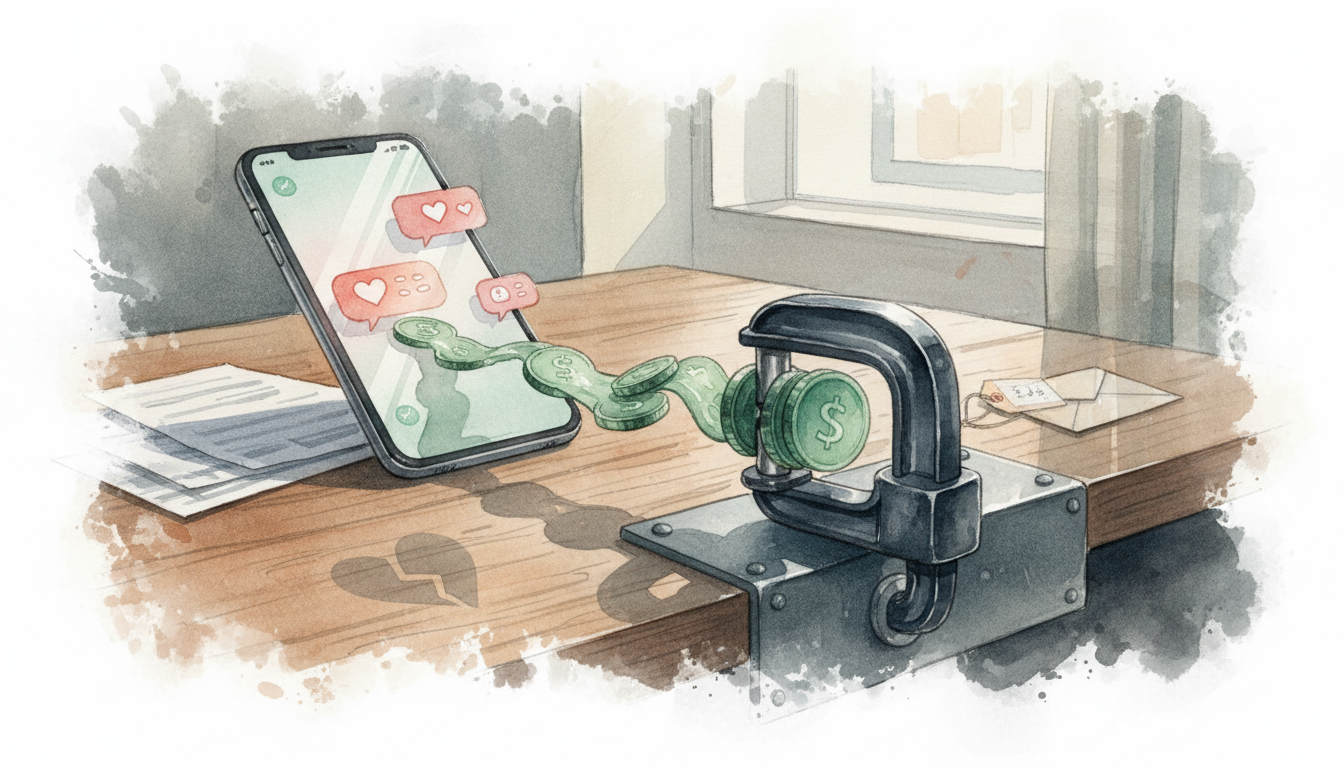
Federal agents in North Carolina have seized more than $61 million worth of Tether (USDT) that prosecutors say was tied to a “pig butchering” cryptocurrency investment scam, after investigators traced victim funds through laundering wallets and identified addresses still holding substantial balances.
The U.S. Attorney’s Office for the Eastern District of North Carolina said the seizure was announced Tuesday, Feb. 24, 2026, and that the funds are subject to forfeiture proceedings. Prosecutors said the crypto was allegedly linked to proceeds stolen from victims through fraudulent trading platforms promoted via fake online relationships.
According to the DOJ release, the scheme typically began with scammers posing as romantic partners to build trust. After establishing contact, they claimed to have specialized techniques for generating unusually high profits from crypto trading and directed victims to fake trading sites designed to closely resemble legitimate platforms. Those sites displayed fabricated portfolio returns meant to push victims to deposit more funds.
When victims tried to withdraw money, prosecutors said they were blocked and hit with demands for additional payments, such as a “tax” or “fee,” before access would supposedly be restored—an approach investigators describe as a way to extract more money while keeping victims locked into the fraud.
Homeland Security Investigations (HSI) traced the movement of stolen funds through multiple cryptocurrency wallets used to obscure ownership and source, then identified addresses that still contained large balances tied to the alleged laundering activity, according to the announcement. Prosecutors said Tether assisted with the transfer of the assets as part of the seizure process.
U.S. Attorney Ellis Boyle said the office’s forfeiture team worked with HSI “to take the profit out of crime,” describing the seized amount as funds “linked to cryptocurrency fraud.”
The seizure adds to a growing list of enforcement actions focused on “pig butchering,” a fraud model that blends relationship manipulation with investment deception. The scams have increasingly relied on professionalized laundering infrastructure and fast-moving stablecoin rails, which allow proceeds to be transferred across wallets and jurisdictions quickly.
The DOJ announcement lands as researchers and law enforcement report rising crypto-enabled fraud losses. Chainalysis estimated that crypto scams and fraud took in about $17 billion in 2025, with impersonation and social-engineering scams surging and AI-enabled tactics becoming more profitable than traditional scam methods.
US authorities have also been securing lengthy sentences in connected laundering cases. On Feb. 9, 2026, the DOJ said a federal court sentenced Daren Li to 20 years in prison for his role in laundering more than $73 million stolen from victims as part of an international cryptocurrency investment scam, which prosecutors described as causing severe losses to Americans.
In the North Carolina case, prosecutors did not identify all of the individuals behind the scam in the initial seizure announcement, but said the seized USDT was traced to addresses allegedly involved in laundering fraud proceeds. The matter is being handled through forfeiture procedures, which the DOJ uses to recover assets prosecutors say are tied to unlawful activity, with the possibility of returning funds to victims depending on court outcomes and restitution processes.
The material on GNcrypto is intended solely for informational use and must not be regarded as financial advice. We make every effort to keep the content accurate and current, but we cannot warrant its precision, completeness, or reliability. GNcrypto does not take responsibility for any mistakes, omissions, or financial losses resulting from reliance on this information. Any actions you take based on this content are done at your own risk. Always conduct independent research and seek guidance from a qualified specialist. For further details, please review our Terms, Privacy Policy and Disclaimers.
Articles by this author