Commodity Futures Trading Commission claims exclusive control of event contracts
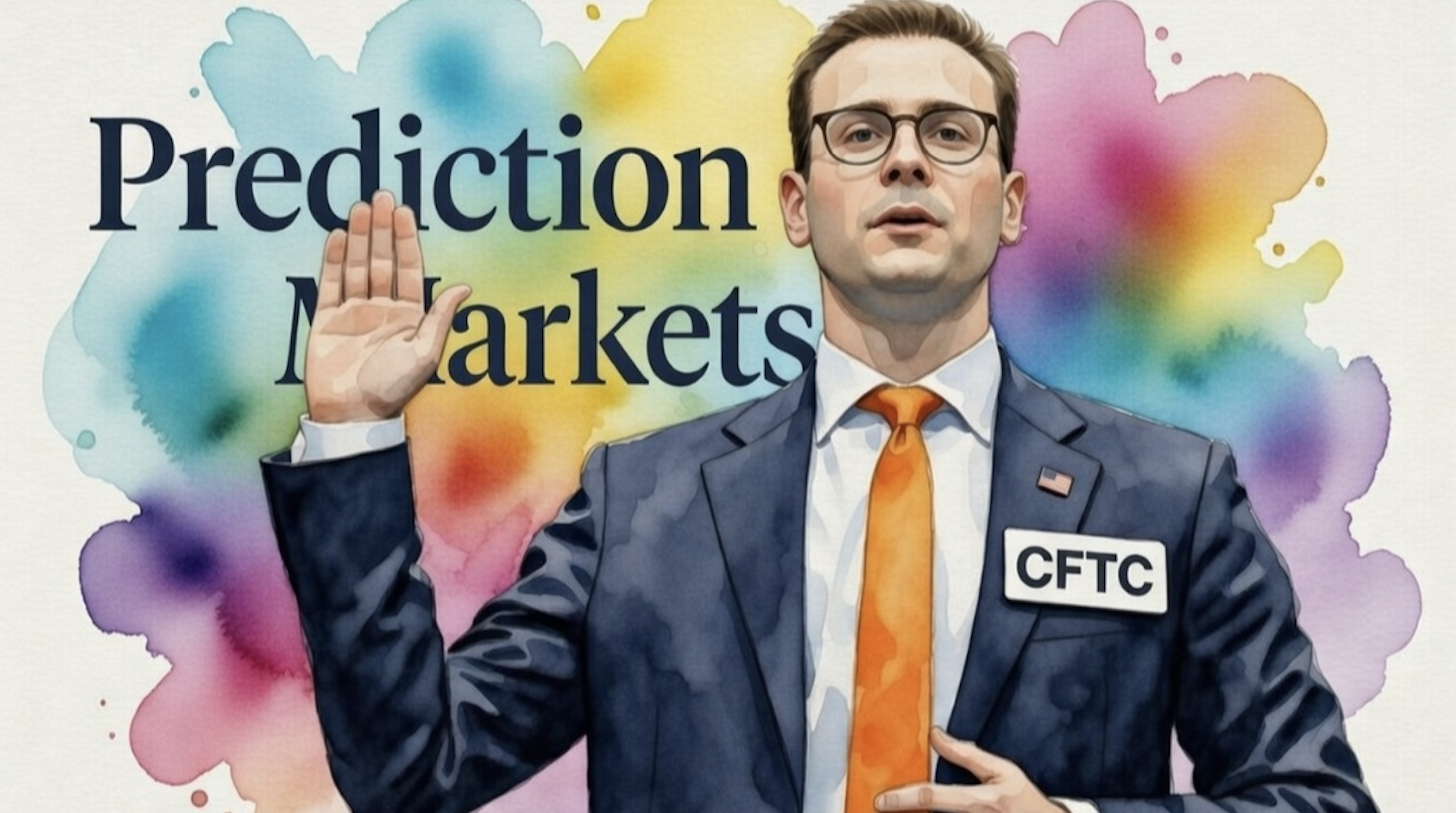
The U.S. Commodity Futures Trading Commission argued in a court filing on 17 February 2026 that it has exclusive federal authority over event contracts, setting up a direct clash with states that have tried to treat prediction markets as gambling.
Editor’s note: This story was updated with Nevada’s lawsuit against Kalshi and Ninth Circuit ruling details.
Update (February 18, 2026): Hours after the CFTC filed its brief in the Crypto.com case, Nevada filed a civil enforcement action against Kalshi following a Ninth Circuit ruling that removed a block on state action. Kalshi moved to have the case heard in federal court, citing the same exclusive CFTC jurisdiction argument the agency advanced in its amicus brief. The parallel lawsuits underscore the scope of the federal-state clash over event contracts.
The CFTC submitted an amicus brief to the U.S. Court of Appeals for the Ninth Circuit in a case between Crypto.com and the state of Nevada. Crypto.com sued Nevada in June 2025 after state regulators moved to block the company from offering sports-event contracts to residents. A lower-court judge later ruled the contracts fell outside the CFTC’s jurisdiction and could therefore be regulated under Nevada gaming law, and Crypto.com appealed.
In its brief, the CFTC said Congress granted the agency “exclusive jurisdiction” over futures and swaps, and that event contracts fall within that remit. The filing pointed to Dodd-Frank-era amendments and argued the Commodity Exchange Act covers contracts tied to the occurrence of an event and its measurable outcomes. The agency said that language is broad enough to include sports-related contracts based on the margin of victory or other quantifiable results.
CFTC chair Michael S. Selig has escalated the agency’s push to defend federal oversight. In a statement released on 17 February 2026, he described state lawsuits as a power grab and said event contracts can be used to hedge event-driven risks and manage portfolio exposure. In a Wall Street Journal opinion piece published on 16 February 2026, Selig wrote the agency would not “sit idly by” while states undermine its authority, and in a Fox News interview on 17 February 2026 he framed event contracts as cleared derivatives rather than casino wagers.
The filing comes after the commission reversed course on its prior approach. Under former chair Rostin Behnam, the CFTC voted in 2024 to propose rules that would restrict certain event contracts as contrary to the public interest, including those tied to gaming, war, terrorism and assassination. The agency withdrew that proposal in early February 2026 and also pulled a 2025 staff advisory that had cautioned venues about sports-related contracts while litigation was unfolding.
Lawmakers and state officials have also weighed in. In January 2026, Democratic Representative Ritchie Torres introduced a bill aimed at limiting how elected and senior officials interact with prediction markets. On 13 February 2026, Senators Catherine Cortez Masto of Nevada and Adam Schiff of California led a group of Democratic senators in urging the CFTC not to intervene in pending cases and warning that some contracts resemble sportsbook wagers. Republican Senator Bill Hagerty welcomed Selig’s stance in a post on X on 17 February 2026, while Utah Governor Spencer Cox argued prediction markets are gambling and said he would fight them in court.
The material on GNcrypto is intended solely for informational use and must not be regarded as financial advice. We make every effort to keep the content accurate and current, but we cannot warrant its precision, completeness, or reliability. GNcrypto does not take responsibility for any mistakes, omissions, or financial losses resulting from reliance on this information. Any actions you take based on this content are done at your own risk. Always conduct independent research and seek guidance from a qualified specialist. For further details, please review our Terms, Privacy Policy and Disclaimers.
Articles by this author