Fed reviews plan to bar reputational risk pressure
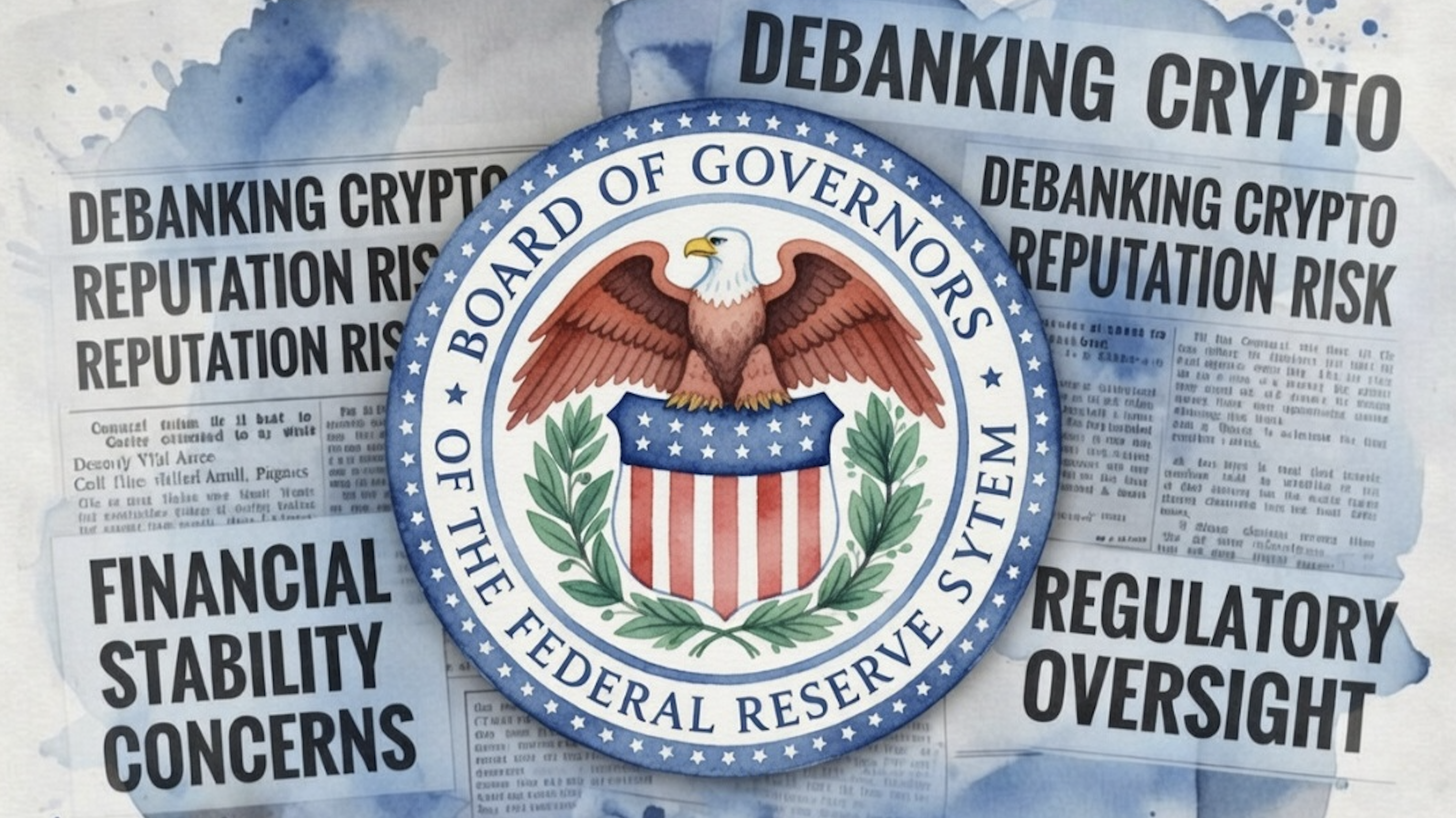
The U.S. Federal Reserve has opened a public comment period on a proposal that would permanently remove “reputational risk” from bank supervision and bar Fed supervisors from pressuring banks to cut off customers engaged in lawful activity, including politically disfavored businesses.
The proposal, released Feb. 23, would codify a policy change the Fed first announced in June 2025, when it said reputational risk would no longer be part of examination programs and supervision would instead focus on “material financial risks.”
Vice Chair for Supervision Michelle W. Bowman said the Fed has heard “troubling cases of debanking” in which supervisors used reputational risk concerns to push banks to exit relationships based on customers’ political views, religious beliefs, or involvement in lawful but disfavored activity. Bowman argued reputational risk is “vague and inherently subjective,” creating variability in supervision and pulling attention away from measurable risks such as credit, liquidity, and market risk that directly affect bank safety and soundness.
In the Fed’s internal memo accompanying the proposal, the Board described reputational risk as the possibility that negative publicity about a bank’s business practices “whether true or not” could shrink its customer base, trigger costly litigation, or reduce revenue. The same memo says the draft rule would both (1) codify the removal of reputational risk from supervisory programs and (2) prohibit the Board from “encouraging or compelling” Fed-supervised banking organizations to deny or condition services based on constitutionally protected political or religious beliefs, or based on participation in politically disfavored but lawful business activity perceived to present reputational risk.
The Fed also emphasized that the proposal is aimed at tightening supervisory clarity rather than weakening oversight: the press release says it does not change the expectation that banks maintain strong risk management and comply with laws and regulations.
The rulemaking arrives amid broader federal efforts to narrow the role of “reputation” concepts in financial supervision. An executive order issued in August 2025 directed federal banking regulators, to the extent permitted by law, to remove reputational risk or equivalent concepts from guidance and manuals where they could lead to politicized or unlawful debanking. The Fed’s memo also notes that other regulators have moved in parallel: the OCC began removing references to reputational risk and told examiners they should no longer examine for it, while the NCUA said its staff will no longer base supervisory concerns on reputational risk.
Separately, recent litigation has kept bank–crypto access disputes in view. In a joint status report filed Feb. 6, 2026, the FDIC agreed to pay $188,440 in attorney’s fees and move toward dismissal of a Freedom of Information Act case involving so-called “pause letters,” after the court found the FDIC’s original categorical withholding of the letters violated FOIA. The filing states the FOIA request was submitted in November 2023 and sought copies of “pause letters” referenced in an FDIC Office of Inspector General report that described letters asking certain FDIC-supervised institutions to pause or not expand planned or ongoing crypto-related activities.
Supporters of the Fed’s latest step argue that formal rule text is more durable than informal supervisory practice. In a Senate press release on a separate “fair access” proposal, Sen. Thom Tillis said legislation is needed to create a uniform national standard and reduce politically motivated denials of basic banking services, while preserving banks’ ability to make risk-based decisions and meet safety-and-soundness expectations.
The Fed said comments are due within 60 days after the proposal is published in the Federal Register.
The material on GNcrypto is intended solely for informational use and must not be regarded as financial advice. We make every effort to keep the content accurate and current, but we cannot warrant its precision, completeness, or reliability. GNcrypto does not take responsibility for any mistakes, omissions, or financial losses resulting from reliance on this information. Any actions you take based on this content are done at your own risk. Always conduct independent research and seek guidance from a qualified specialist. For further details, please review our Terms, Privacy Policy and Disclaimers.
Articles by this author