Poll: Fed to hold rates until May, but Warsh’s policy may be “too soft”
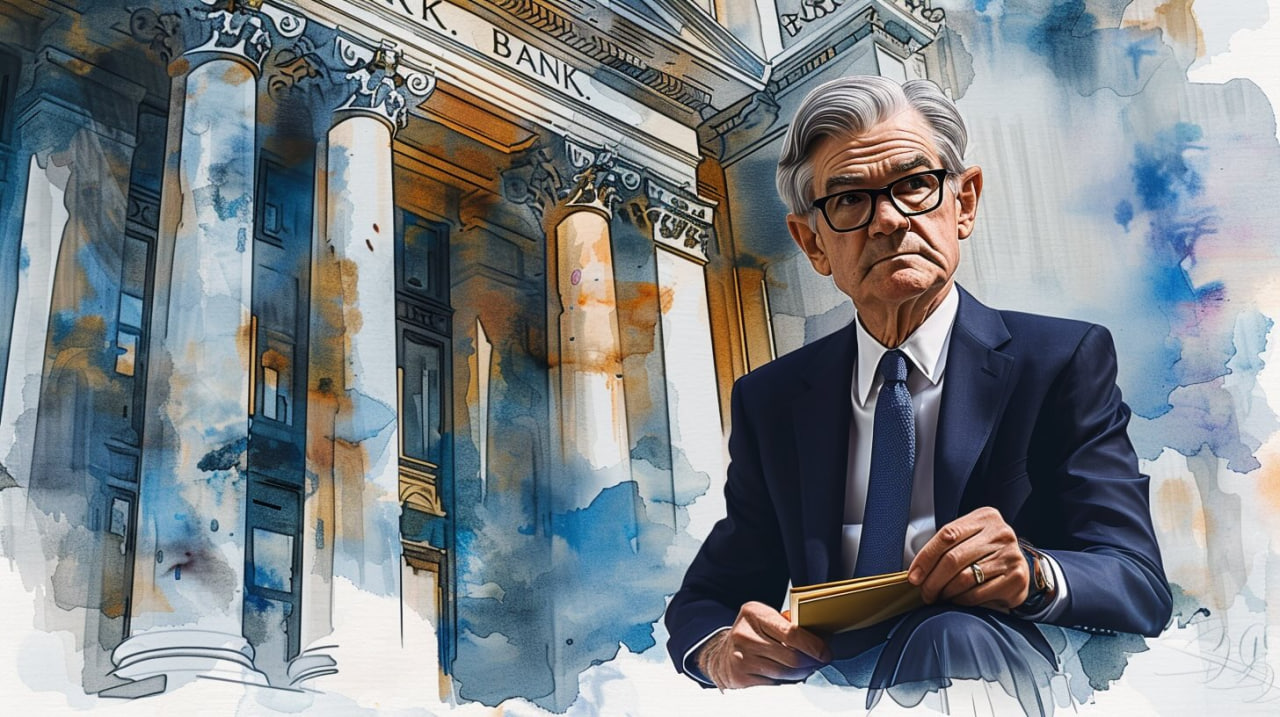
A Reuters poll found that the Federal Reserve will likely keep rates unchanged until May, with the first cut expected in June – immediately after Jerome Powell’s term ends.
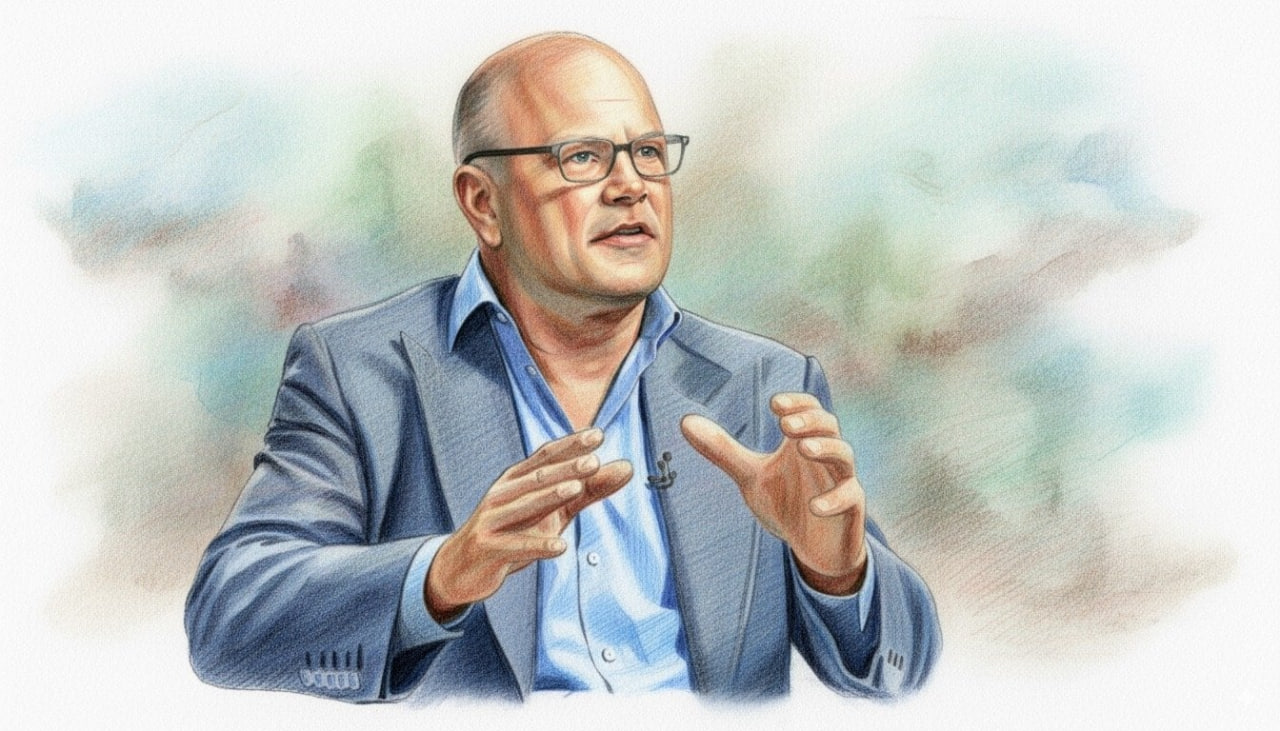
The Federal Reserve will likely leave its benchmark rate unchanged until Jerome Powell’s term expires in May, but is expected to cut rates at the June meeting, according to a Reuters survey of 101 economists. Most respondents believe Powell’s expected successor, Kevin Warsh, may pursue a monetary policy that is “too soft.”
More than 70% of economists expressed concern that the Fed’s independence could come under pressure once Powell departs. But they remain split on whether Donald Trump’s formal nomination of Warsh materially changes the outlook. Some say the risk has increased, while others argue that judgment should wait until Senate confirmation hearings.
Uncertainty is compounded by Warsh’s own ambiguous policy profile. While his earlier remarks suggested a preference for tighter policy, his recent comments about AI’s “disinflationary effect” were widely interpreted as a signal supporting cheaper borrowing. Economists concede they still lack a clear sense of what Warsh’s actual policy stance will be.
Nearly three-quarters of respondents expect the Fed to hold rates steady in both March and May. Close to 60% see the most likely outcome as a rate cut to the 3.25–3.50% range in the following quarter – specifically June. This marks a shift from the previous poll, which showed no consensus on the timing or level of the next move.
Economists also expect a modest slowdown in economic growth: U.S. GDP for Q4 2025 is projected at 2.9%, down from 4.4% in the prior quarter. Forecasts for 2026 range from 2% to 2.4%, above the estimated “non-inflationary” potential rate of 1.8%. Inflation, however, is still expected to remain above the Fed’s target.
Most respondents anticipate at least two rate cuts in 2026, though there is no agreement on where the policy rate will end the year.
Several economists warned that if monetary easing coincides with a more aggressive fiscal stance, the risk of an economic “overheat” could increase. One respondent noted that such a combination “may lead to excessively loose conditions” if the Fed becomes more responsive to political cues than to economic data.
Markets are now focused on upcoming remarks from Powell and Warsh’s first public statements – both expected to clarify whether the leadership transition will bring a shift in the Fed’s policy framework.
The material on GNcrypto is intended solely for informational use and must not be regarded as financial advice. We make every effort to keep the content accurate and current, but we cannot warrant its precision, completeness, or reliability. GNcrypto does not take responsibility for any mistakes, omissions, or financial losses resulting from reliance on this information. Any actions you take based on this content are done at your own risk. Always conduct independent research and seek guidance from a qualified specialist. For further details, please review our Terms, Privacy Policy and Disclaimers.
Articles by this author