Exodus alternatives for 2026: best wallet picks for self-custody
Looking for Exodus alternatives in 2026? This guide walks through wallet options that deliver a smoother self custody experience, clearer backup and recovery flows, stronger security controls, and better multi chain coverage. We also highlight which wallets make sense for long term holders, frequent swappers, and DeFi users, so you can choose a setup that fits your everyday crypto routine without unnecessary complexity.
GNcrypto’s verdict: best Exodus alternatives 2026
After testing five self-custody wallets with real sends, swaps, and DeFi connections, here’s our ranking:
Best overall: MetaMask (4.6/5) The EVM default with strongest dApp compatibility and clear signing screens. In-wallet swaps cost 0.875% plus gas – cheaper than Exodus’s 2-5% spreads.
Runner-up: Trust Wallet (4.5/5) Best for mixed multi-chain portfolios. Supports 70+ chains with stable balance tracking. Our $100 USDC-to-BNB cross-chain swap cost 2.2% total – lower than Exodus’s typical spreads.
Third place: Rabby (4.10/5) Best for DeFi signing hygiene. Strongest approval warnings with 0.25% swap fees (plus gas) – the cheapest in-wallet swaps we tested.
Specialized picks:
- Phantom (4.0/5) for Solana-first users who want clean mobile UX, NFT management, and spam filtering.
- Exodus (4.2/5) still works if you rarely swap and prioritize polished desktop UX plus Trezor integration.
Quick decision framework:
- Want cheapest in-wallet swaps (0.25%)? → Rabby
- Work only on Ethereum/EVM DeFi? → MetaMask
- Solana-first with NFTs? → Phantom
- One wallet for 70+ chains? → Trust Wallet
- Rarely swap, want desktop + Trezor? → Keep Exodus
Full breakdowns below.
Why look for Exodus alternatives
Exodus gets a lot right for everyday self-custody. It is a non-custodial, multi-chain wallet that feels ready out of the box, so you are not hunting for network settings. It also has a rare trust signal for a consumer wallet, the parent company is publicly listed (NYSE American: EXOD) and files regular reports with the U.S. SEC. On top of that, the desktop app integrates deeply with Trezor, so you can manage cold storage through the same interface.
So why do people still look for an Exodus alternative? Cost is the biggest driver. Exodus makes swapping effortless, but the built-in exchange can carry a steep convenience tax, with spreads often in the 2% to 5% range depending on volatility. If you swap frequently or move size, those hidden spreads can add up fast.
The second reason is transparency and control. Large parts of Exodus are closed source, so you are trusting the company’s reputation rather than verifying the code. Power users also tend to outgrow the mobile fee controls, since advanced settings for network fees can be limited, especially during congestion. Finally, even though Exodus supports DeFi connections via WalletConnect, some traders prefer wallets that expose more technical detail and give more granular control over approvals, fees, and transaction routing.
Best Exodus alternatives compared
The wallets below are the most practical alternative to Exodus wallet, depending on what you prioritize. Exodus shines for a polished, all-in-one feel, but its built-in swaps can come with wide spreads (often 2% to 5%), and much of the codebase is closed source. The wallets below solve different pain points. Some focus on EVM DeFi compatibility and clearer signing screens, so you can understand exactly what you are approving. Others prioritize lower in-wallet swap fees (0.25% to 0.875% plus gas in the reviewed wallets) or a cleaner mobile-first experience for Solana activity. Use the comparisons to pick the trade-offs you prefer: network coverage, swap costs, security transparency, and how much control you want over fees, approvals, and transaction routing.
MetaMask
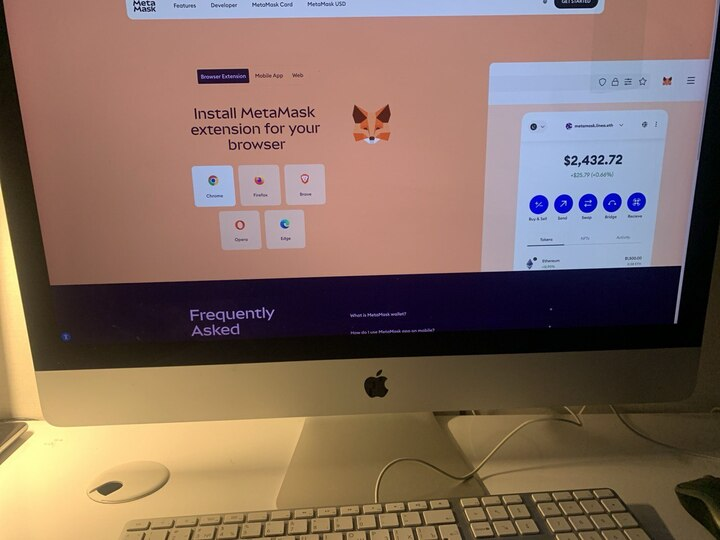
In the wallet review, MetaMask scored 4.6/5 overall. It is best described as the default wallet for Ethereum and EVM chains, with a consistent dApp connection flow and strong signing and approval screens that try to prevent blind confirmations. Out of the box, it supports networks such as Ethereum, Linea, Base, Polygon, BNB Chain, Arbitrum, Optimism, Avalanche (C-Chain), zkSync Era, and Sei. It also supports Bitcoin as a separate track, although it is not meant to replace specialized Bitcoin wallets for advanced workflows.
Compared with Exodus, MetaMask is more of a power tool. Exodus is designed to feel “ready out of the box,” while MetaMask leans into configurability, including the option to add custom networks via RPC. The trade-off is responsibility. MetaMask can guide you, but it cannot stop you from approving a risky permission.
Swaps are another clear difference. MetaMask shows a swap fee of 0.875% plus network gas. Exodus, by comparison, can charge wide spreads on its built-in exchange, often in the 2% to 5% range, which can be costly for frequent rebalancing.
Benefits
Excellent EVM compatibility, clear signing previews and warnings, and a familiar workflow for most DeFi apps.
Limitations
MetaMask has no standalone desktop app (it runs as a browser extension on desktop), it relies on RPC quality for custom networks, and it does not remove user risk around approvals and signing.
Best for
Anyone who uses Ethereum and EVM-based DeFi regularly and wants a wallet that works with most dApps without friction.
Strengths:
- Strong overall score in the review: 4.6/5.
- Broad EVM network support out of the box, plus the option to add custom networks via RPC.
- Built-in swap fee is displayed clearly (0.875% plus gas), so costs are visible before you confirm.
Weaknesses:
- Swaps add a wallet-level fee on top of gas (0.875%), which can compound for frequent swappers.
- No standalone desktop app, extension-only on desktop.
Rabby
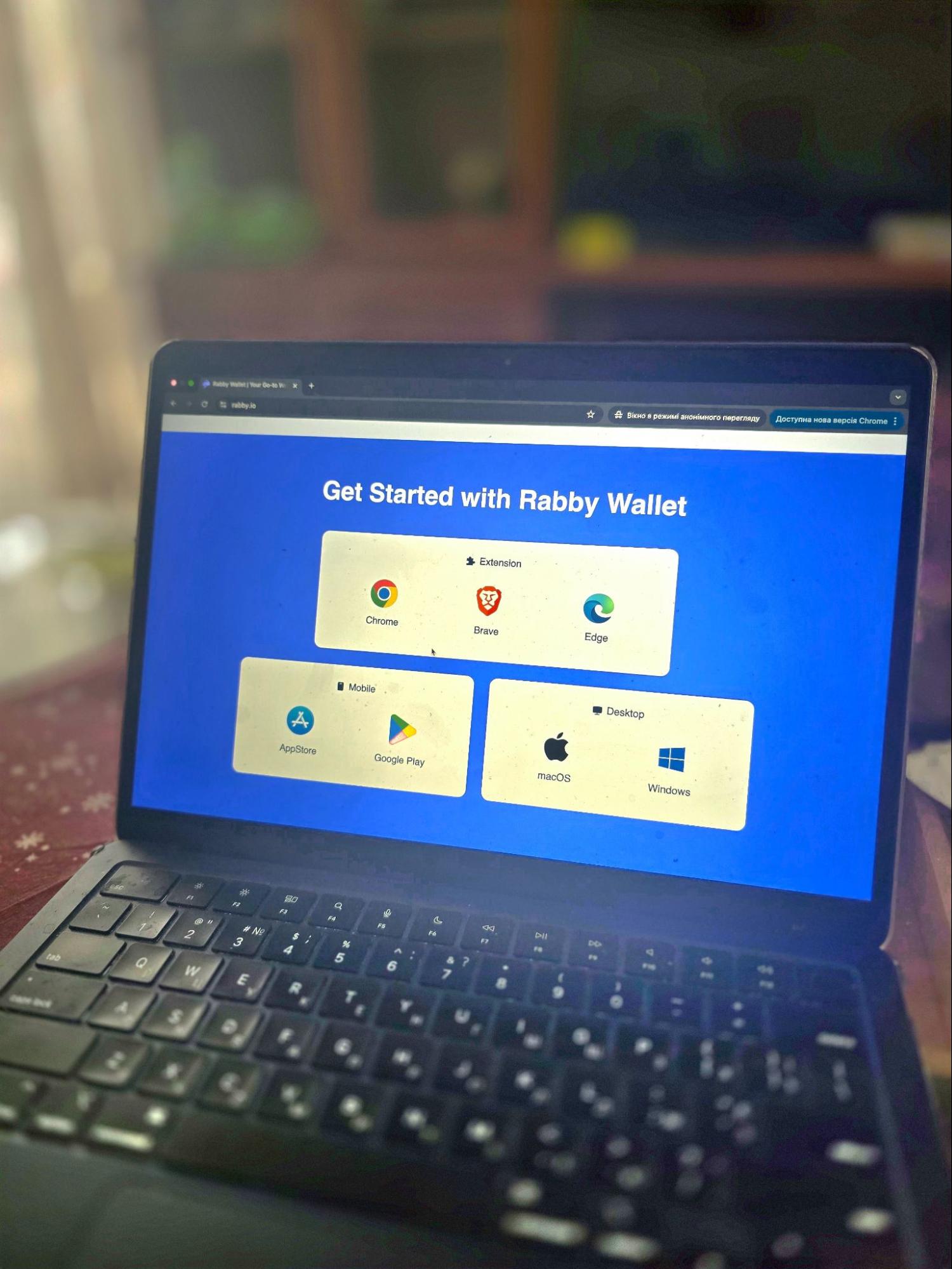
In the wallet review, Rabby scored 4.10/5 overall. It is an Ethereum and EVM-focused wallet built around one idea: the most dangerous moment is the moment you click Sign. In practice, that means Rabby tries to slow you down with clearer warnings and more readable approval screens, especially around unlimited token allowances.
Compared with Exodus, Rabby feels more like a daily DeFi work tool and less like a portfolio dashboard. Exodus is polished and beginner-friendly, but it hides a lot of the “plumbing,” and it can get expensive when you swap inside the wallet. Rabby is more technical, but it gives you more guardrails where most beginners get hurt, approvals, signatures, and contract interactions.
On swaps, Rabby’s built-in swap fee is 0.25% plus network gas, and in the review it routed swaps through an aggregator (1inch). That is meaningfully lower than MetaMask’s in-wallet swap fee, and it is also easier to reason about than Exodus-style spread pricing.
Benefits
Stronger “think before you sign” guardrails for EVM DeFi, plus low in-wallet swap fees compared with other major wallets.
Limitations
Rabby can feel heavy if you only want a simple “store and send” wallet, and if you need Bitcoin-first or Solana-first ecosystems you may end up using a second wallet alongside it.
Best for
DeFi users on Ethereum and EVM chains who want clearer approval warnings and better signing hygiene.
Strengths:
- Solid overall score in the review: 4.10/5.
- Clear approval warnings, including prompts about unlimited allowances and the option to set custom spend limits.
- Rabby Swap fee tested at 0.25% plus network gas.
- Open source code and publicly shared third-party audits, including a Least Authority audit dated September 2, 2025.
Weaknesses:
- In-wallet swapping adds a service fee (0.25%) on top of gas, which can add up if you swap often.
- Optional features like swaps can be risk hotspots, and the review notes a Rabby Swap exploit reported on October 11, 2022.
Phantom
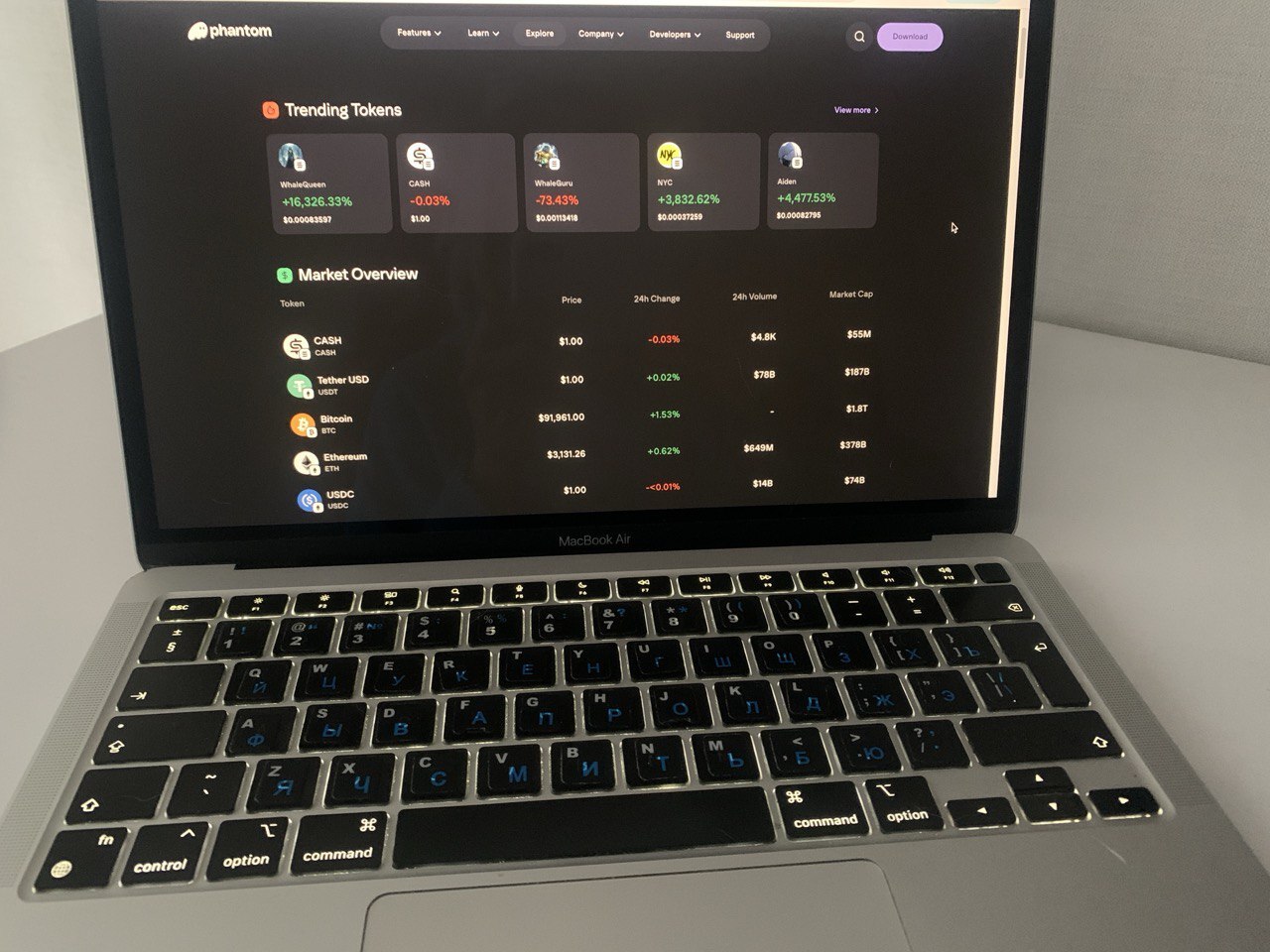
In the Phantom wallet review, Phantom scored 4.0/5 overall. It is a Solana-first wallet that aims to feel simple on day one, with strong UX on both the extension and mobile app. In testing, Phantom showed clear transaction previews and risk prompts, and it filtered spam tokens and NFTs to keep the wallet clean.
Phantom is a practical Exodus replacement if your activity centers on Solana, NFTs, and mobile-first crypto usage. It also presented a multi-chain portfolio view across Solana, Ethereum, Polygon, Bitcoin, Base, and Sui in testing. The main trade-off is that EVM coverage was limited in Jan 2026 (for example, no BNB Chain, Arbitrum, Optimism, or Avalanche in the test), which can force a second wallet if you live across multiple EVM ecosystems.
Cost-wise, Phantom does not charge a wallet fee for sending or receiving, since you only pay the network gas. Built-in swaps carried about a 0.85% Phantom fee plus gas, and cross-chain transfers add bridge and network fees depending on the route. Phantom showed the total fees clearly before confirmation, including on swaps and bridges.
Benefits
A smooth, beginner-friendly wallet for Solana activity, with clear fee previews and strong spam filtering.
Limitations
If you rely on multiple EVM networks, Phantom’s limited EVM coverage can be a blocker, and built-in swaps and bridging add wallet-level fees that are often more expensive than direct DEX use.
Best for
Solana-first users, NFT collectors, and anyone who wants a clean mobile-first wallet that stays readable as they start using DeFi.
Strengths:
- Strong overall score in the review: 4.0/5.
- Clear swap and bridge cost disclosure, with built-in Swap fee tested around 0.85% plus gas.
- Seedless Login option for faster onboarding (tested setup in about 90 seconds).
Weaknesses:
- Limited EVM chain coverage in Jan 2026 testing, which can require a second wallet for popular networks.
- Wallet-level fees on swaps and bridges (0.85% tested) can add up for frequent swappers.
Trust Wallet
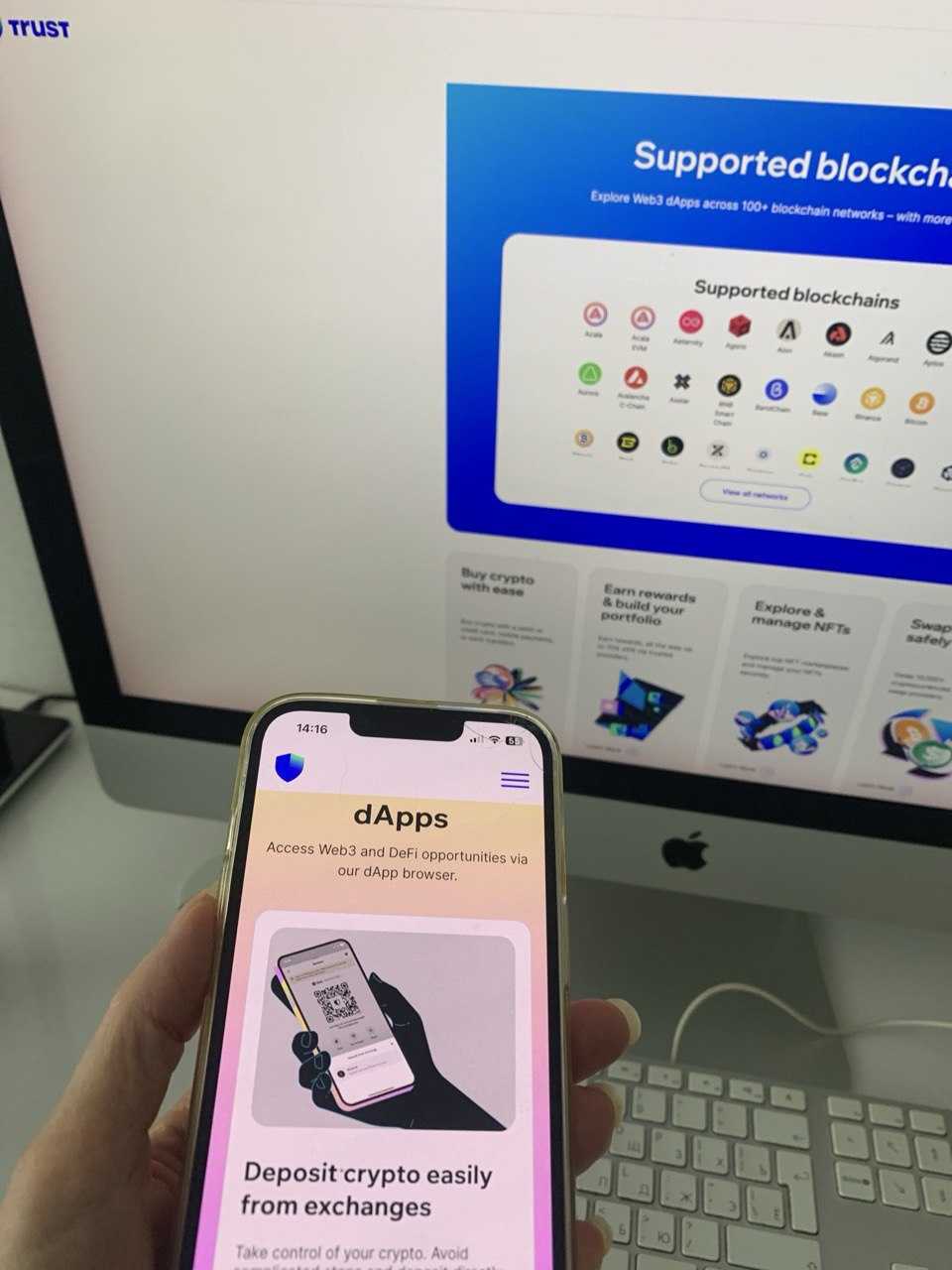
If you are comparing Exodus alternatives because you want one wallet that can handle a truly mixed, multi-chain portfolio, Trust Wallet is the most straightforward option in this list. In hands-on testing, it scored 4.5/5 overall and behaved like a mature “daily driver” wallet, with consistent balance syncing and predictable transaction confirmations.
This comparison is about priorities. Exodus is built around a polished, all-in-one experience, including a desktop app and deep Trezor integration. Trust Wallet is built around broad multi-chain coverage and a portfolio-first mobile workflow.
- Networks: Trust Wallet supports 70+ chains. Exodus is described as multi-chain, but the review did not state a specific chain count.
- Swap costs: Exodus swaps can come with wide spreads (often 2% to 5%). In testing, Trust Wallet’s cross-chain swap result was lower on a $100 USDC to BNB route (2.2% total cost).
- Security approach: Exodus is non-custodial but largely closed source. Trust Wallet uses a standard seed phrase recovery model, which is portable but requires disciplined backups.
- Best use case: Choose Trust Wallet if you want one wallet for many chains and predictable day-to-day sending. Choose Exodus if you care most about a polished interface and you use its desktop experience, especially with Trezor.
Benefits
Broad network support, stable balance tracking, and a predictable experience for everyday multi-chain sending.
Limitations
Trust Wallet relies on seed phrase discipline, and moving fast can lead to mistakes if you choose the wrong network inside the send flow. If you enable cloud backups, your backup account security matters even more.
Best for
People who want a portfolio-first, multi-chain wallet for everyday holding and sending, plus occasional DeFi connections without switching brands across devices.
Strengths:
- Strong overall rating: 4.5/5.
- Much broader chain coverage (70+ chains), which makes it easier to manage a mixed portfolio in one place.
- Lower cross-chain swap cost observed in testing versus Exodus’s typical swap spreads (2.2% total cost on a $100 USDC to BNB route).
- Reliable app behavior in testing (no balance sync issues, consistent confirmations).
Weaknesses:
- Seed phrase responsibility is non-negotiable, and user error risks increase if you move assets across many networks quickly.
- Cross-chain swap pricing can vary by route and provider, so checking the final amount before confirming remains important.
Is replacing Exodus the right move for you?
Switching wallets is not always necessary, but it can be a smart move if your needs have changed. The best Exodus alternatives depend on what you do most often and what you are trying to fix.
Quick decision framework:
If you want the cheapest in-wallet swaps: choose Rabby (0.25% plus gas) and you also get stronger approval warnings for DeFi.
If you only work on Ethereum and EVM apps: choose MetaMask for maximum compatibility, but expect higher in-wallet swap fees (0.875% plus gas).
If you are Solana-first, including NFTs and mobile activity: choose Phantom for its clean UX and spam filtering, but do not expect full EVM coverage.
If you want one wallet for a mixed multi-chain portfolio: choose Trust Wallet (70+ chains) for day-to-day sending and holding across networks.
If you rarely swap and mainly want a polished all-in-one interface: keep Exodus, especially if you use the desktop app and Trezor integration, but be aware swaps can cost more due to 2% to 5% spreads.
If you are moving away from Exodus, do not treat it as an all-or-nothing migration. Many people use two wallets by design, one for long-term holding and another for active DeFi. Start small, test a send, test recovery on a second device, then scale up once you are confident your backup flow is solid.
Top Exodus alternatives: quick comparison
| Wallet | Standout | Fees | Assets | Security and key management | Overall rating | Best for |
|---|---|---|---|---|---|---|
| Exodus | Polished all-in-one self-custody, Trezor integration | Built-in swaps often 2% to 5% spreads | Multi-chain (count not stated) | Non-custodial, but largely closed source | 4.2/5 | Everyday holding and occasional sends |
| MetaMask | EVM default, strong dApp connection flow | In-wallet swaps: 0.875% plus gas | Ethereum and EVM chains out of the box, plus custom RPC networks | Clear signing and approval screens, user risk remains | 4.6/5 | EVM DeFi users who want maximum compatibility |
| Rabby | “Think before you sign” guardrails | In-wallet swaps: 0.25% plus gas | Ethereum and EVM chains | Open source, audits, strong approval warnings | 4.10/5 | EVM DeFi users who want better signing hygiene |
| Phantom | Solana-first wallet with clean UX | In-wallet swaps: about 0.85% plus gas | Solana-first, multi-chain view in testing, limited EVM coverage noted | Clear transaction previews, risk prompts, spam filtering | 4.0/5 | Solana users, NFTs, mobile-first activity |
| Trust Wallet | Portfolio-first, multi-chain “daily driver” | Cross-chain swap costs vary; test showed 2.2% total cost on USDC to BNB | 70+ chains | Seed phrase-based self-custody, strong recovery portability | 4.5/5 | One wallet for a mixed, multi-chain portfolio |
The material on GNcrypto is intended solely for informational use and must not be regarded as financial advice. We make every effort to keep the content accurate and current, but we cannot warrant its precision, completeness, or reliability. GNcrypto does not take responsibility for any mistakes, omissions, or financial losses resulting from reliance on this information. Any actions you take based on this content are done at your own risk. Always conduct independent research and seek guidance from a qualified specialist. For further details, please review our Terms, Privacy Policy and Disclaimers.
Articles by this author